Bellville Master Gardeners Talk Fall Wildflowers Tuesday. Here's How to Sow Bluebonnets Now.
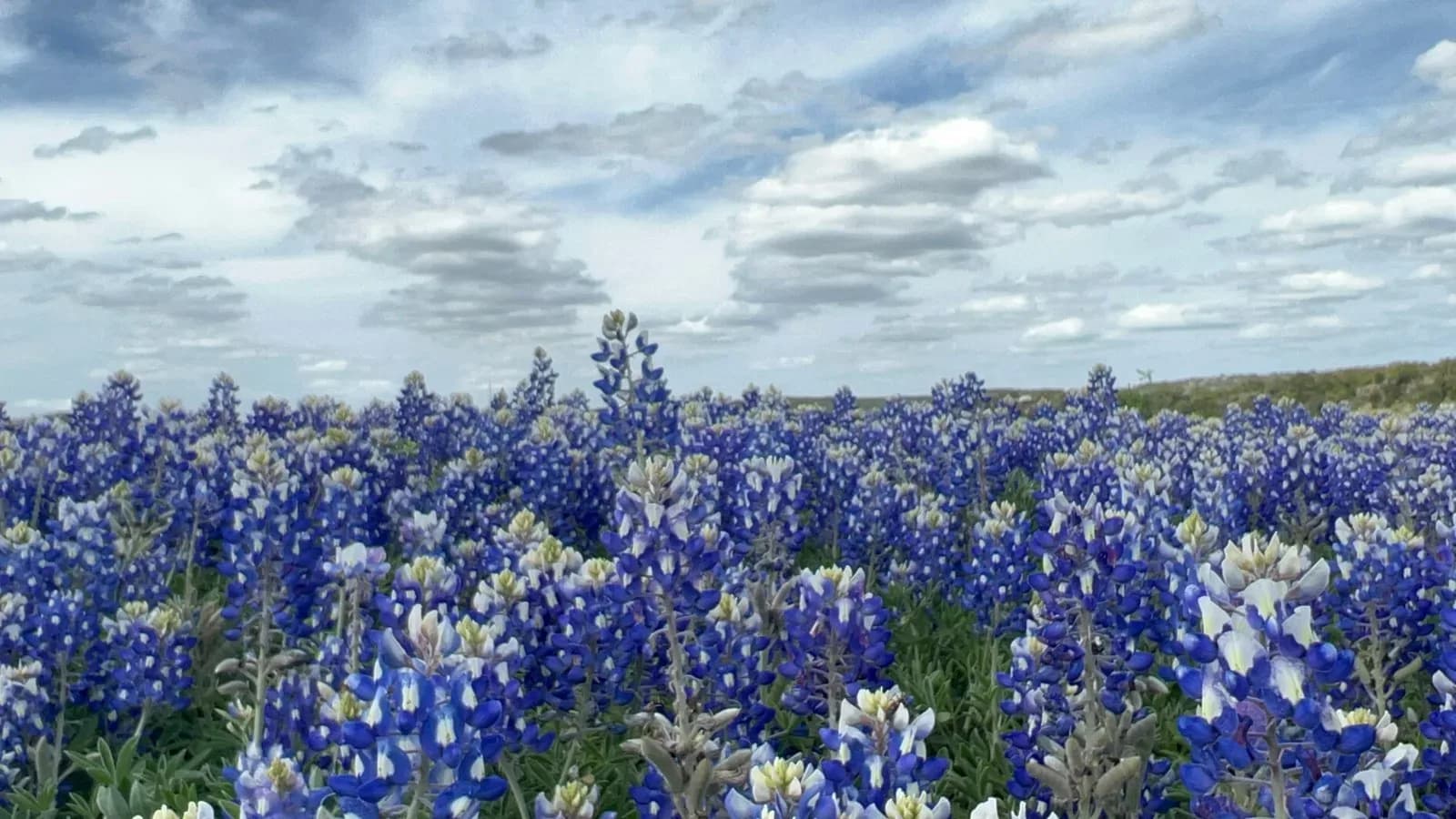
Austin County's master gardeners host a free lunch talk on planting native fall wildflowers. October is prime time for bluebonnet seed, and two trusted Texas sources disagree on one step.
If you want bluebonnets next spring, plant them now. On Tuesday, gardeners in Bellville can hear how over lunch.
The talk
The Bluebonnet Master Gardeners of Austin County hold their Lunch-N-Learn on Tuesday, Oct. 20, at the Texas A&M AgriLife Extension office, 800 E. Wendt St., in Bellville. Alyssa Harmon of Sycamore Hill Nursery will present a native fall wildflower planting guide.
Doors open at 11:50 a.m., and the program starts promptly at noon and ends by 12:55 p.m. It is free and open to the public. Bring your own lunch and drink. Registration is encouraged but not required. Master gardeners will stay afterward to answer questions. The series closes Nov. 17 with a talk on growing your own mushrooms.
When to sow
The Lady Bird Johnson Wildflower Center's bluebonnet guide says to sow in October and November, with early October best. The Texas Department of Transportation's planting page gives a wider window, Sept. 1 to Dec. 15, but recommends planting by mid-November. Seed planted in fall sprouts and builds roots over the winter, so the plants can bloom in spring.
How to sow
Pick a sunny, well-drained spot. Both sources say bluebonnets need full sun and do best in alkaline soil. The Wildflower Center notes that bluebonnets "like bad soil" and don't like competition.
Get seed onto bare soil. In grass, TxDOT says to scalp it as low as the mower goes and rake up the thatch. Good seed-to-soil contact is the rule both sources stress.
Broadcast and press. Scatter seed by hand. Mixing it with sand makes even coverage easier. Then press it in by hand or walk over it. TxDOT suggests covering seed with no more than a quarter inch of soil.
Use the right amount. For a quicker display on a small area, both sources cite seed companies' advice of 8 to 10 seeds per square foot. At that rate an ounce covers about 135 square feet and half a pound covers 1,000.
Water gently. TxDOT says to water thoroughly after sowing, then lightly every three days for about three weeks if it doesn't rain.
Skip the fertilizer. Both sources say it produces more leaves, not more blooms.
To scarify or not
Bluebonnet seeds have a hard coat, which is why many don't sprout the first year. The Wildflower Center suggests scarifying, meaning nicking or sanding the seed coat, to raise germination. It also warns against scarifying seed that won't be watered through dry spells, since every seed will sprout at once and none will be left for later years. TxDOT is blunter: do not soak, prick or otherwise disturb the seed coat, because it can damage the seed.
A practical middle path: if you can water through the winter, scarify part of your seed for a show this spring and leave the rest alone as insurance. Either way, the Wildflower Center says a good stand may take several years.
After the bloom
Don't mow until the seedpods mature, about six to eight weeks after flowering, the Wildflower Center says. That lets the patch reseed itself, so it comes back each spring.
Related on Dock Line: Texas Bluebonnets: The State Flower of Texas; Seguin Master Gardeners Bring Their Plant Sale to Pecan Fest Saturday; New Braunfels Native Plant Sale Saturday: Turk's Cap, Beautyberry, Cenizo and More