Plant Collard Greens This Fall in Hillsboro, With AgriLife Tips
AgriLife's collard fact sheet and fall garden tips show how to plant, thin, harvest and cook greens, plus where to call in Hill County.
If you still have an empty bed in Hillsboro, collards are one of the easiest greens you can put in the ground this time of year. Texas A&M AgriLife Extension says they handle more heat and cold than most garden vegetables, and they taste sweeter after a light frost.
Here is a plain guide drawn from AgriLife's own fact sheets, plus where to get local help in Hill County.
Why collards fit a Texas fall
Skip Richter, an AgriLife Extension horticulture agent, notes that Texas fall can be short between summer heat and the first frost. He says gardeners should pick crops that harvest quickly and are adapted to their region. Collards fit that bill: they grow for their leaves, stay productive, and keep going through cool weather.
Richter's top fall tips start with sunlight and soil. Vegetable gardens need at least six hours of direct sun. Give root and fruit crops the brightest spots, and save slightly shadier ground for leafy greens. He also says soil quality decides most of your success before the first plant goes in, and that compost helps both sandy and clay soils.
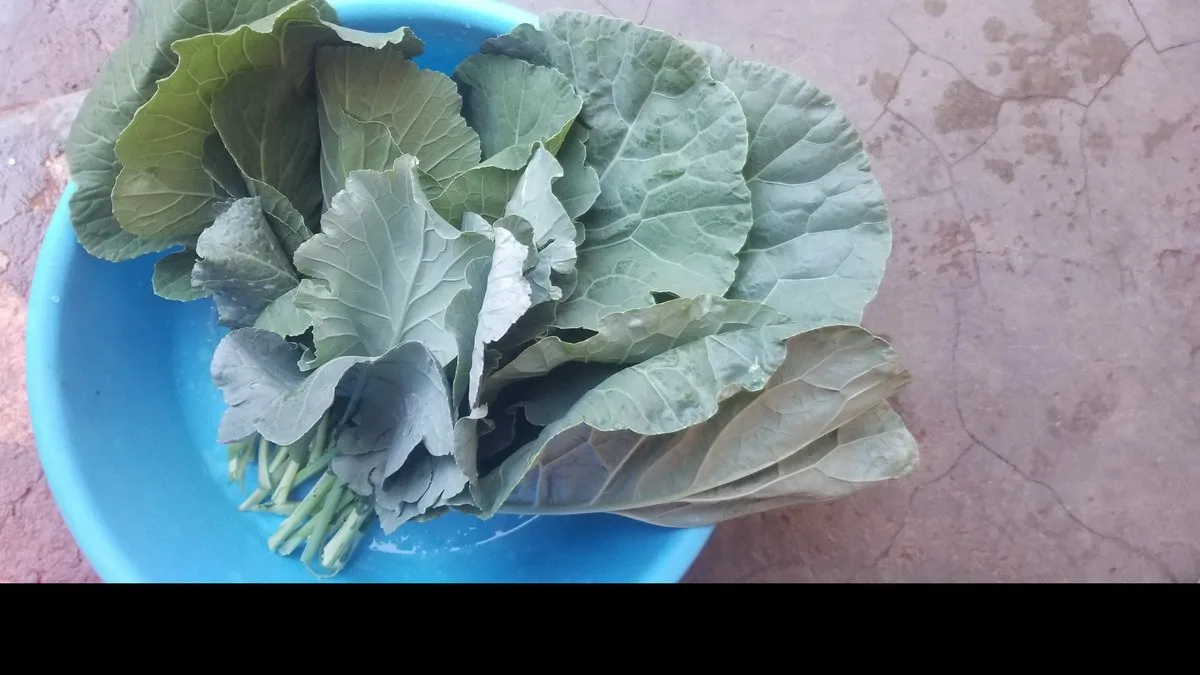
Fresh collard greens harvested from a garden, March 2025. Photo: MEvalyn / Wikimedia Commons, CC BY-SA 4.0.
How to plant them
AgriLife's Easy Gardening: Collard Greens fact sheet, written by Extension horticulturist Joseph Masabni, says collards need deep, well-drained soil. Dig at least 10 inches. If the ground is mostly clay or light sand, spread about a 4-inch layer of compost before digging.
Just before planting, scatter a complete garden fertilizer such as 10-10-10 at 2 or 3 pounds per 100 square feet, or about 1 cup for each 10 feet of row, and rake it 3 to 4 inches into the soil. Work the bed into ridges 6 to 8 inches high and at least 36 inches apart so water drains away from the roots.
For a fall crop, plant seed in the garden about 80 days before frost, which the fact sheet says is August or September in most of Texas. Seed heavily, then thin. Seeds sprout when soil hits about 45 degrees. After plants reach 4 to 6 inches, thin until about 18 inches remain between them. Crowding makes leaves smaller and less green. Young thinnings can be transplanted or eaten as greens.
Space final plants 18 to 24 inches apart. Water well each week if rain fails. Side-dress with about 1 tablespoon of garden fertilizer per plant beside the row, and again in 4 to 6 weeks if leaves turn pale.
Harvest and a simple kitchen rule
Masabni lists Texas-friendly varieties including Blue Max, Champion, Flash, Georgia Southern, Top Bunch and Vates. Harvest by taking the lower leaves so the plant keeps producing, or cut small plants about 4 inches above the ground. Collards can stand temperatures of 20 degrees or lower in some cases, and a light frost makes them sweeter.
In the kitchen, AgriLife's serving note is short and practical: do not cook collards in too much water, or you lose nutrients. For more cooking ideas, ask your county Extension agent rather than guessing from a random online post.
Local help in Hillsboro
The Hill County AgriLife Extension office is at 213 Stadium Drive, Hillsboro, Texas 76645. The phone is (254) 582-4022, and the email is [email protected]. The county page says agriculture remains the leading industry there, with commodity sales averaging about $70 million a year, and that Extension has agents for agriculture, family and community health, pest management, and 4-H.
City Hall is at 214 E. Elm St., Hillsboro, Texas 76645, according to the city's contact page, phone (254) 582-3271.
Our view
A fall garden does not have to be fancy. Collards feed a family, teach kids where food comes from, and ask for little more than sun, compost and a weekly watering. That is the kind of quiet work that still feeds Texas tables.
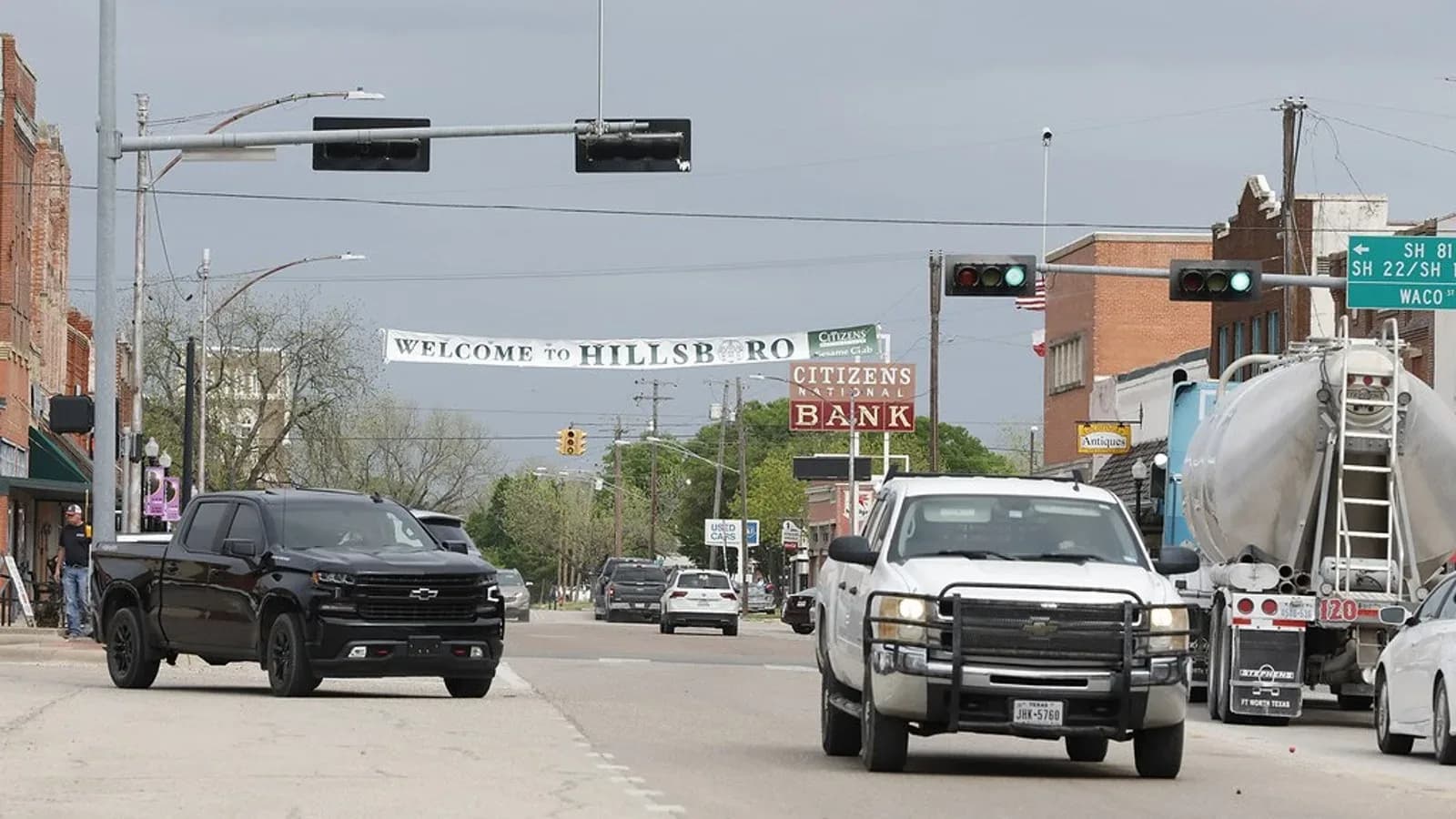
Hero photo: Downtown Hillsboro on Elm Street, April 2024. Photo: 76645CONTRIBUTOR / Wikimedia Commons, CC0.