

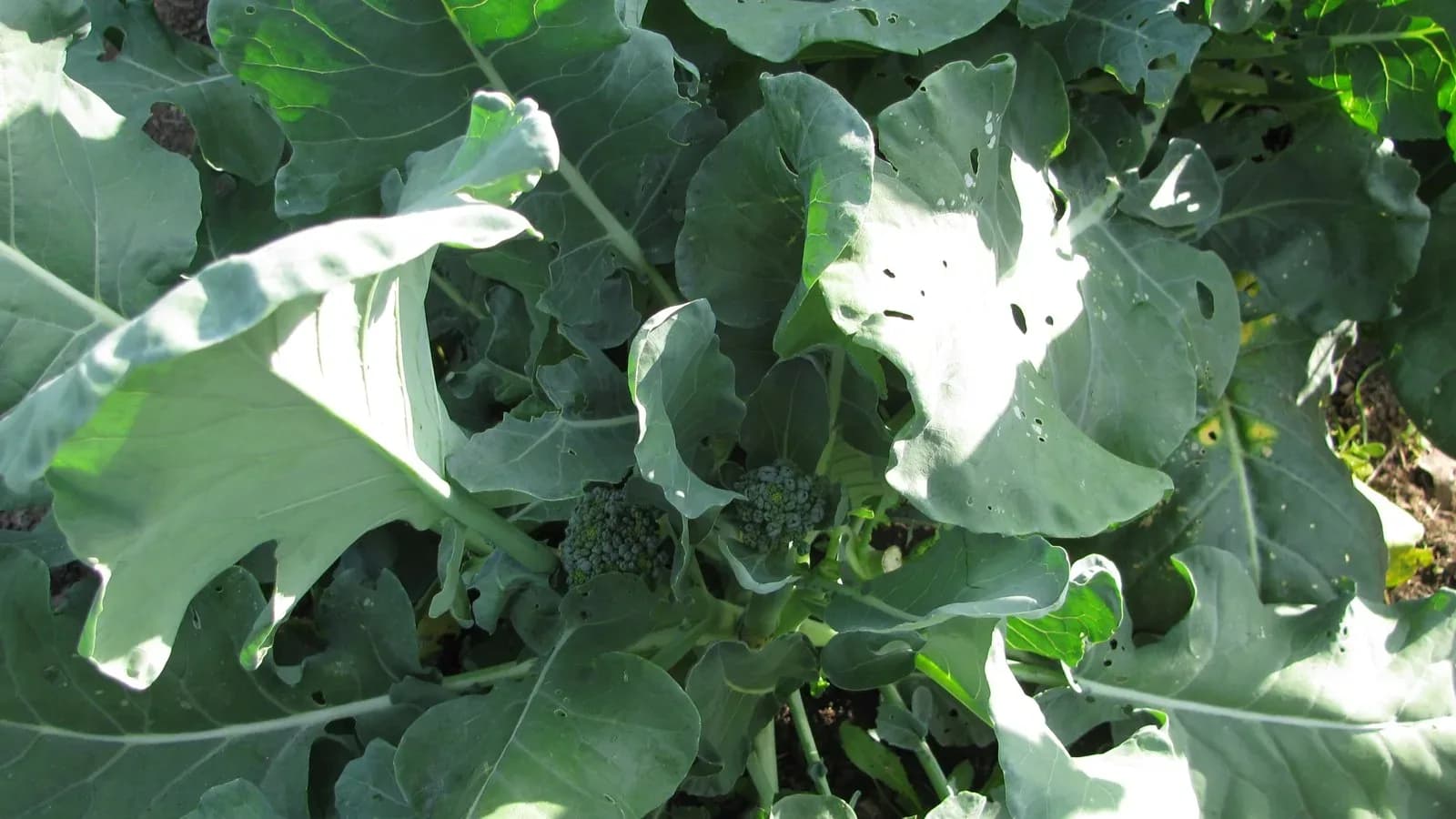
What to Plant in Your Brazos Valley Fall Garden Right Now
Brazos County's AgriLife horticulture agent says mid-October is time to sow beets, carrots and herbs, transplant broccoli, and give the lawn its last feeding.
Even if the summer heat is hanging on, the cooler nights and shorter days mean fall gardening season is here in the Brazos Valley. Stephen Brueggerhoff, the horticulture agent for Brazos County AgriLife Extension, laid out what to do now in recent columns, including one posted Oct. 14, on the Brazos County Master Gardeners site.
Start with the soil
Brueggerhoff recommends a soil test before you plant. Texas A&M AgriLife's lab at soiltesting.tamu.edu explains how to send a sample. For a new vegetable bed, mix in two inches of organic matter and turn the soil about 10 inches deep. In soil that drains poorly, build six-inch ridges or rows. A rule of thumb is one cup of complete fertilizer per 10 feet of row, mixed in four inches deep, then about a tablespoon as a side dressing roughly four weeks after transplanting.
Sow these from seed now
Herbs: cilantro, dill and parsley
Root crops: beets, carrots, radishes and turnips
Greens: mustard and spinach
For beets, he suggests Chioggia, an heirloom with sweet, white-and-red bull's-eye rings, ready in about 54 days. Bull's Blood is ready in about 40 days, and its deep red leaves can go in a salad while you wait for the roots. For carrots, he names Danvers 126 (75 days), Chantenay (65 days) and Nantes (60 days).
Transplant these
Set out broccoli, Brussels sprouts, cauliflower and cabbage as transplants. Brueggerhoff says the Brazos Valley window for cole crop transplants runs from mid-September through October. Space broccoli about 24 inches apart so it can form big heads and side shoots. Broccoli varieties he says do well locally include Green Comet (40 days), Calabrese (48 days), Packman (50 days), Green Magic (57 days) and Lieutenant (60 days).
For cauliflower, Snow Crown (55 days) forms about a two-pound head. To keep it white, pull the leaves up over the head and tie them. For cabbage, he points to the heirloom Early Jersey Wakefield (75 days) and Early Flat Dutch (80 days).
Last call for the lawn
Brueggerhoff says lawns can be fertilized through mid-October. The last feeding should come up to six weeks before the first frost, which in Brazos County usually arrives the first week of December. To figure the rate, divide one pound by the product's nitrogen percentage to get the pounds of product per 1,000 square feet. Keep ornamental beds mulched, and keep watching soil moisture.
From garden to table
The best part of a fall garden comes later in the season, when the broccoli and greens on the table come from your own yard. Brueggerhoff says to cut broccoli's center head while the buds are tightly packed, then keep picking the side shoots. A pan of broccoli roasted with olive oil, salt and garlic beats anything from the store.
Questions? Brueggerhoff hosts a call-in show, Garden Success, Thursdays at noon on KAMU-FM 90.9. The Brazos County Vegetable Planting Calendar is at txmg.org/brazos.
Hero photo: Buddy431 via Wikimedia Commons, CC BY-SA 3.0, cropped and resized.
More Garden & Recipe Stories
 September 2, 2026
The Spring Garden Starts Now. So Does the Last Harvest of the Year.
 July 16, 2026
Before the Cider
 May 22, 2026