

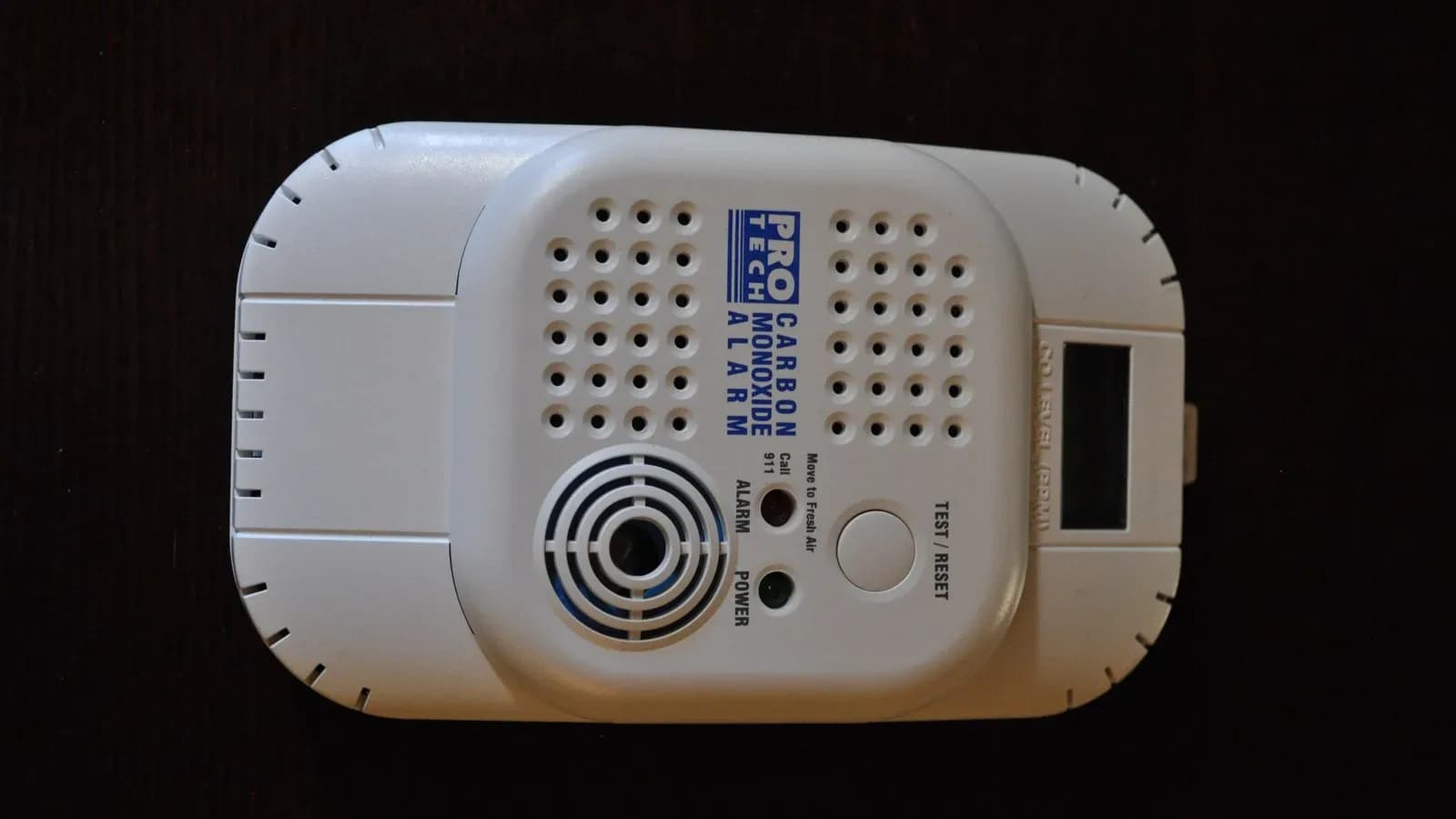
Carbon Monoxide Kills More Than 400 Americans a Year. Check Your Alarms When the Clocks Fall Back.
The CDC says more than 400 Americans die each year from unintentional, non-fire carbon monoxide poisoning. Here are the symptoms and the steps that protect a household.
The facts come first below. My opinion follows in the section marked as opinion.
As Americans turn on furnaces, light fireplaces and pull out generators for the cold months, federal safety officials are reminding families that carbon monoxide gives no warning before it harms. The Centers for Disease Control and Prevention describes carbon monoxide as "an odorless, colorless gas that kills without warning," and says many household items, including gas- and oil-burning furnaces, portable generators and charcoal grills, produce it, according to the agency's guidance.
Each year, more than 400 Americans die from unintentional carbon monoxide poisoning not linked to fires, more than 100,000 visit an emergency department and more than 14,000 are hospitalized, the CDC says.
The U.S. Consumer Product Safety Commission, which tracks deaths tied to consumer products rather than all sources, says more than 200 people in the United States die every year from accidental non-fire carbon monoxide poisoning associated with consumer products, and more than 100 of those deaths are linked to portable generators. The agency says one portable generator can produce the same amount of carbon monoxide as hundreds of cars, according to its carbon monoxide information center.
Know the symptoms
The most common symptoms are headache, dizziness, weakness, upset stomach, vomiting, chest pain and confusion, and they are often described as "flu-like." People who are sleeping, drunk or under the influence of other substances can die before they have symptoms. Infants, the elderly and people with chronic heart disease, anemia or breathing problems are more likely to get sick, the CDC says.
If you suspect poisoning, the CPSC says to get outside to fresh air immediately and then call 911, according to the agency.
The fall-back weekend is a good time to check
Clocks fall back on Nov. 1. The CDC recommends checking carbon monoxide detector batteries when you change the time on your clocks each spring and fall. It advises installing battery-operated or battery back-up detectors near every sleeping area and replacing detectors following the manufacturer's instructions or every five years, according to its guidance.
The CPSC recommends alarms on every level of the home and outside sleeping areas, and says interconnected alarms are best because when one sounds, they all sound, the agency says.
Simple steps that prevent poisoning
The CDC's list is plain and practical. Have your heating system, water heater and any other gas, oil or coal-burning appliances serviced by a qualified technician every year. Have your chimney checked or cleaned every year. Never heat your house with a gas oven, never burn charcoal indoors and never use a portable gas camp stove indoors. Never run a car or truck inside a garage attached to a house, even with the garage door open, the agency says.
Generators require special care. Never use one inside a home or garage, even if doors and windows are open. The CDC says to run generators only outside, more than 20 feet away from any windows, doors and vents, according to its guidance. The CPSC says to keep them at least 20 feet from homes with the exhaust facing away, according to the agency.
Opinion: Watch over the house God has given you
Most of us never think about carbon monoxide until an alarm chirps in the middle of the night. That is exactly the problem. A danger you cannot see or smell has to be guarded against before it arrives, not after.
None of this requires much money or skill. A detector near the bedrooms, a fresh battery on the weekend the clocks change, a yearly furnace check and the discipline to keep the generator out of the garage will protect most homes. These are small acts of stewardship, and the people they protect most are the ones least able to protect themselves: babies, grandparents and those with weak hearts.
When Nehemiah rebuilt the walls of Jerusalem, he did not choose between faith and vigilance. He did both: "Nevertheless we made our prayer unto our God, and set a watch against them day and night, because of them" (Nehemiah 4:9). Pray for your household, and set a watch over it, too.
If you are already planning around the time change, as we laid out in Daylight Saving Time Ends Nov. 1, 2026: Rules and Sleep Tips, spend a few minutes of that extra hour testing the alarms. It may be the most valuable hour of the year.
More Health & Fitness Stories
 This Week
Climb for the View on the Trails at Davis Mountains State Park in Fort Davis
 This Week
Space Heaters and Stoves Cause Most Home Heating Fire Deaths. Prudence This Winter Costs Little.
 This Week