Texas Data Centers Could Undo Two Decades of Cleaner Air, New Report Warns. What It Means for Your Lungs
A Houston Advanced Research Center report projects that nitrogen oxide emissions could rise 35% by 2031 even in a clean-power scenario, and nearly 400% if data centers run on their own gas generators. Here is the health risk and how to protect your family on bad air days.
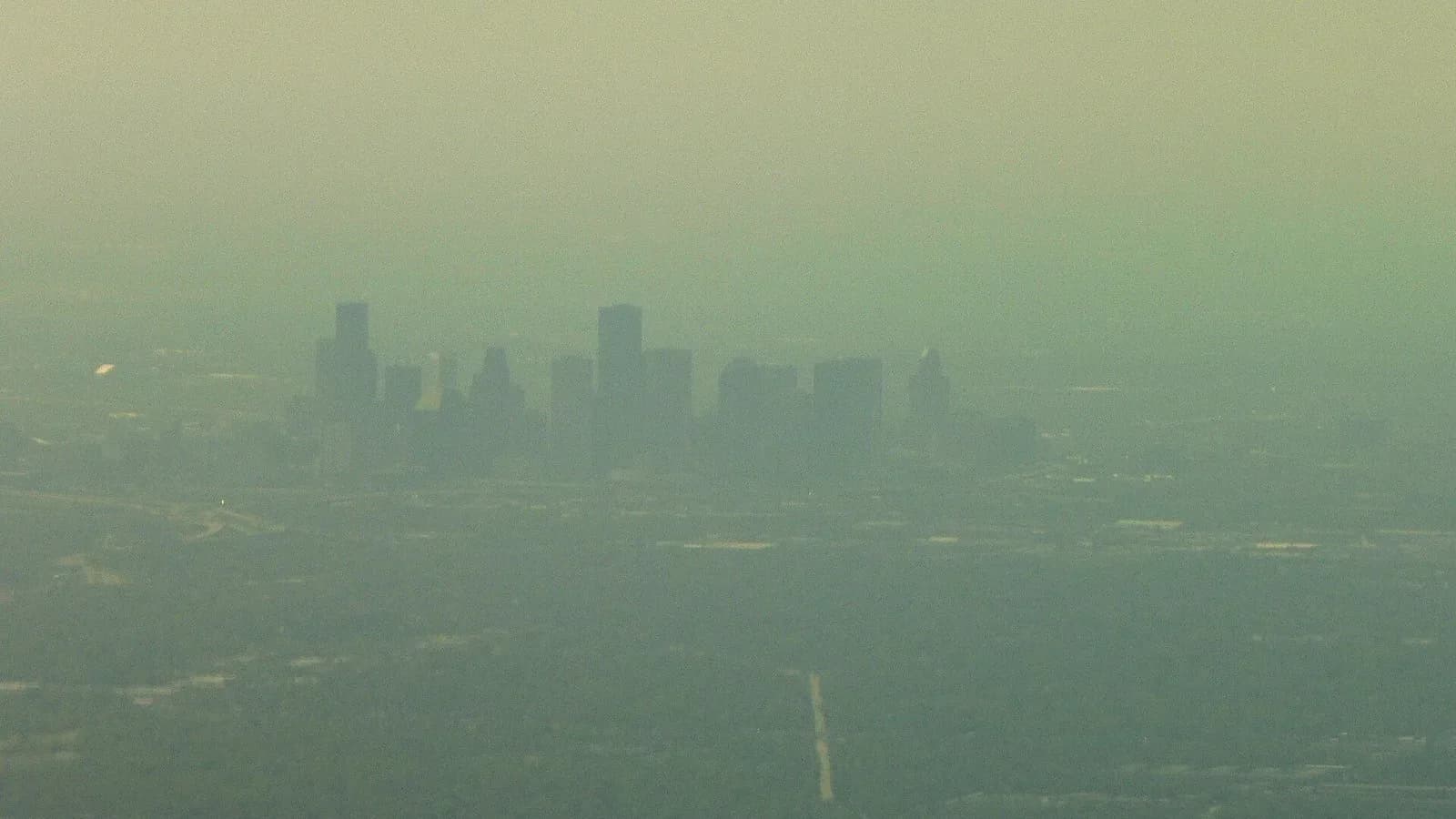
Texans who remember the brown haze over Houston and Dallas in the early 2000s know the air has gotten better. A new report says the data center boom could take much of that progress back.
The air emissions report, released Tuesday by the Houston Advanced Research Center, finds that the industry’s effect on air quality depends heavily on how data centers get their power, The Texas Tribune reported. If they rely on natural gas, the outlook is far worse.
"What we are showcasing here is that there is a significant increase in different pollutant emissions that needs to be addressed because otherwise this could have strong implications for the population and environment," said Carlos Gamarra, HARC’s vice president for energy, air and IT.
What the report found
Between 2002 and 2024, Texas sharply cut its major air pollutants from transportation, industry and power plants, even as the state’s population grew by millions and its economy roughly doubled, according to the report, which used federal and state emissions data.
At least 288 data center projects are planned across Texas, according to a Tribune analysis. The researchers modeled four power supply scenarios over the next five years.
By 2031, statewide nitrogen oxide emissions could rise 35% even under a cleaner "net zero" scenario in which data centers connect to the grid and use wind and solar on site. If data centers instead choose traditional on-site natural gas power, those emissions could rise nearly 400%.
If natural gas plants become the main power source for data centers, volatile organic compounds would exceed their 2002 level by 32%, and particulate matter would climb to levels not seen since 2006, the Tribune reported. On-site gas engines emit about four times as much nitrogen oxide as grid power for the same data center, Gamarra said.
The reason many developers turn to on-site gas is time. Grid connections can take three to five years, Gamarra said, and some operators "cannot wait."
Why it matters for your health
Nitrogen oxides can damage the respiratory system with long-term exposure and cause chronic lung disease, the Tribune noted. Nitrogen dioxide, ground-level ozone and particle pollution are all among the five major pollutants the EPA tracks in its Air Quality Index.
Particulate matter is even more worrying. These microscopic particles can travel deep into the lungs and enter the bloodstream. Some scientists call it the deadliest form of air pollution because it can trigger asthma attacks, irregular heartbeat and respiratory disease.
Houston, Dallas-Fort Worth, San Antonio and Austin already struggle at times to meet federal air standards, mainly because of heavy traffic, vehicle exhaust and summer heat.
Protecting your family on bad air days
You cannot control what gets built, but you can control your exposure. The TCEQ posts a daily air quality forecast for Texas metro areas, and the federal AirNow site shows current conditions by ZIP code.
Learn the colors. Under the EPA’s Air Quality Index, green (0 to 50) means little or no risk and yellow (51 to 100) is acceptable, though unusually sensitive people may be affected. Orange (101 to 150) means members of sensitive groups may feel health effects. Red (151 to 200) means some of the general public may be affected, and sensitive groups more seriously.
If someone in your home has asthma or another lung or heart condition, check the forecast before planning long outdoor work or exercise, keep prescribed medicines close, and ask your doctor what to do on orange and red days. AirNow also publishes activity guides for unhealthy days.
A fair reading
The researchers do not say data centers must doom Texas air. They say the outcome depends on choices. Gamarra urged treating data centers "as the industrial facilities they are" and holding them to the same emissions standards that produced Texas’ progress. He also suggested operators disclose their electricity use, power sources and resulting pollution so communities can weigh projects before they are built.
Readers should note the Tribune’s own disclosure: HARC has been a financial supporter of the Tribune within the past five years. The full modeling assumptions are on HARC’s air quality research page.
Texas has every reason to want the jobs and investment data centers bring. But good stewardship means counting the full cost, including the air our children breathe. Regulators are already under scrutiny on this front. A watchdog report found the TCEQ kept moving data center permits after the governor ordered a pause, and the attorney general has sent letters to 156 data center projects over water reporting.