

Could You Pass the Texas Game Warden Fitness Test? Applications for the Next Cadet Class Are Open
Texas Parks and Wildlife is taking applications for its 70th law enforcement cadet class through Dec. 31. The physical test includes a backward fall into a pool, a timed swim and a rowing machine. Here is how the state says to train.
Some Texans want a job that keeps them outdoors and in shape, and that serves their neighbors. The Texas Parks and Wildlife Department is looking for them.
The department is taking applications for its 70th Law Enforcement Cadet Class through Dec. 31. The class trains future Texas game wardens and Texas state park police officers. Before anyone gets a badge, though, they have to pass a physical test that would challenge most people.
The physical readiness test
According to TPWD, applicants must complete a test that includes:
A handgun stability test
A swim test that starts with falling backward into a pool, then treading water for one minute without touching the sides or bottom
A 100-meter swim, using any stroke, in two and a half minutes or less
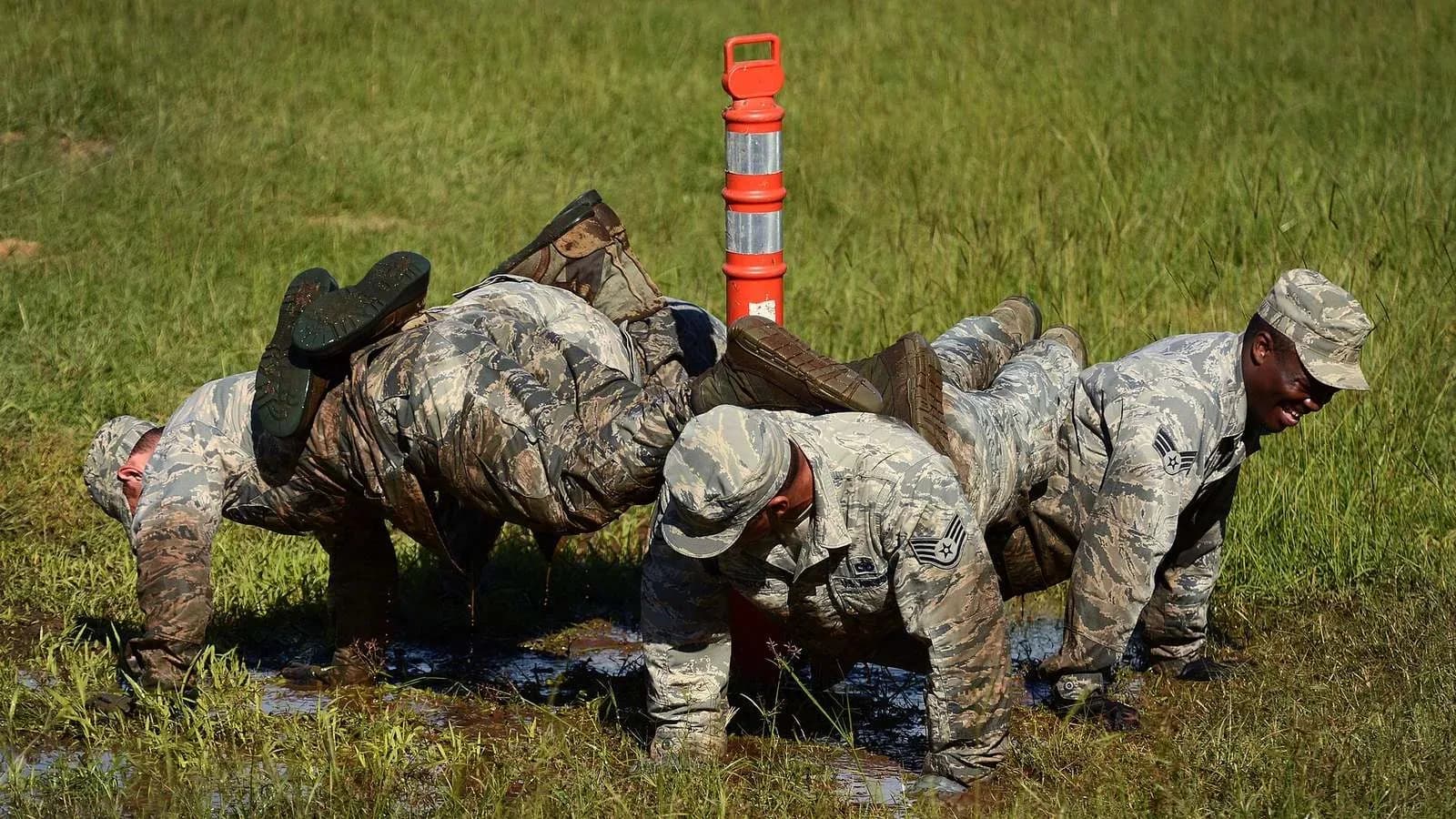
13 push-ups and 22 sit-ups
A four-minute row on a Concept2 rowing machine
The test is only one hurdle. Applicants must also pass a full background investigation and psychological and medical evaluations.
The swim makes sense for the job. Game wardens patrol lakes, rivers and the coast. TPWD says they also handle search, rescue and recovery during floods and other disasters. Park police officers do search and rescue as well.
How the state says to train
TPWD publishes a set of workouts designed to prepare people for the training academy and the job. They focus on upper body strength, lower body strength and cardiovascular fitness. The department advises talking with a physician before beginning any exercise program.
The eight-day plan includes:
Half Murph: a half-mile run, 50 pull-ups, 100 push-ups, 150 squats and another half-mile run
A 13-minute AMRAP (as many rounds as possible) of knees-to-elbows, hollow rocks, kettlebell swings, hand-release push-ups and wall balls
A 1-mile recovery run to keep blood flowing to tired muscles
Kelly: five rounds of a 200-yard run, box jumps and wall balls, for time
A 5K run of 3.1 miles
Half Struggle Bus: 10 rounds of 5 pull-ups, 10 push-ups, 20 military presses, a 30-second plank and 20 flutter kicks
The plan also includes a day of defensive tactics training. You do not need to want a badge to learn from it. The workouts mix hard days with easier recovery, and they build endurance and strength together. That is a good pattern for anyone. If you are just starting out, scale the numbers down and build up over weeks. Do not try to do it all on day one.
Who can apply
Applicants must be at least 21 years old on or before Oct. 1, 2027, and there is no maximum age. They need a bachelor's degree by June 30, 2027. Those without a degree may still qualify with at least 60 college credit hours plus either two years of active-duty military service with an honorable discharge or two years of full-time experience as a commissioned law enforcement officer.
No lateral transfers are allowed. Every cadet, no matter their experience, completes the full academy. Cadets live at the Game Warden Training Center near Hamilton for the 35-week academy, which begins Oct. 1, 2027. TPWD calls selection highly competitive.
The Legislature has approved a 50-hour workweek for game wardens and paid overtime for state park police, which TPWD says gives officers a chance to earn more.
A calling, not just a job
Game wardens have enforced hunting, fishing and boating laws since 1895, and they also teach hunter and boater education. Their work shows up in reports like last year's hunting incident review. State park police serve about 10 million state park visitors a year, TPWD says.
"We're looking for individuals who want more than a traditional law enforcement career," said Col. Ron VanderRoest, TPWD's law enforcement director.
Whether or not you apply, the standard is worth thinking about. Being able to swim, carry yourself and help someone in trouble is good stewardship of the body God gave you.
More Health & Fitness Stories
 Yesterday
Energy Drinks and Stimulant Supplements Show Up Far More Often in Reports of Cardiac Arrest in Young Adults. Temperance Is Not Old-Fashioned.
 Yesterday
Texas Plans $87 Million More for 129 Rural Health Providers. Here Is Where the Money Is Meant to Go
 Yesterday