Texas Plans $78 Million in Grants to 216 Rural Health Providers
The money, part of an estimated $1.4 billion federal rural health program, will go toward chronic disease care, recruiting doctors and medics, and replacing old equipment.
The Texas Health and Human Services Commission plans to award $78 million in Rural Texas Strong grants to 216 rural health care providers across the state, Gov. Greg Abbott announced Thursday.
"Every Texan deserves access to high-quality healthcare, no matter where they live," Abbott said.
Where the money comes from
The grants are 100 percent federally funded through the federal Rural Health Transformation Program run by the Centers for Medicare & Medicaid Services. The governor's office says Texas expects an estimated $1.4 billion over five years. This round, about $78.1 million, is part of a first-year award of about $281.3 million.
Funding is available only after contracts are finalized, and federal money depends on the state meeting program requirements. HHSC says it will keep announcing awards weekly as it reviews applications.
What it pays for
This round supports three of the plan's six initiatives:
"Make Rural Texans Healthy Again," which helps rural hospital districts improve outcomes for diabetes, heart disease, chronic respiratory disease and obesity.
"Next Generation of the Small Town Doctor and Team," which helps rural communities recruit, train and keep physicians, emergency medical workers and other health workers.
"Infrastructure and Capital Investments for Rural Texas," which replaces aging medical equipment and improves facilities.
What it looks like on the ground
In Hereford, the Deaf Smith County Hospital District said this week it received $750,000 in Rural Texas Strong funding for a three-year program focused on diabetic patients, KFDA reported. The plan includes patient education, help with nutrition and food access, the hospital's community paramedic program and remote monitoring when needed.
Chief Medical Officer Trevor Rahm described it as a shift from passive to active care, reaching patients where they live.
Care close to home
Rural Texans drive long miles for care that city residents take for granted. Money aimed at keeping doctors in small towns and catching chronic disease early is a sensible use of public dollars, as long as it is spent with care and results are measured. Taxpayers should expect HHSC to report what this money buys. For more Texas health news, see our reports on measles and the state's proposal to end its children's autism program.
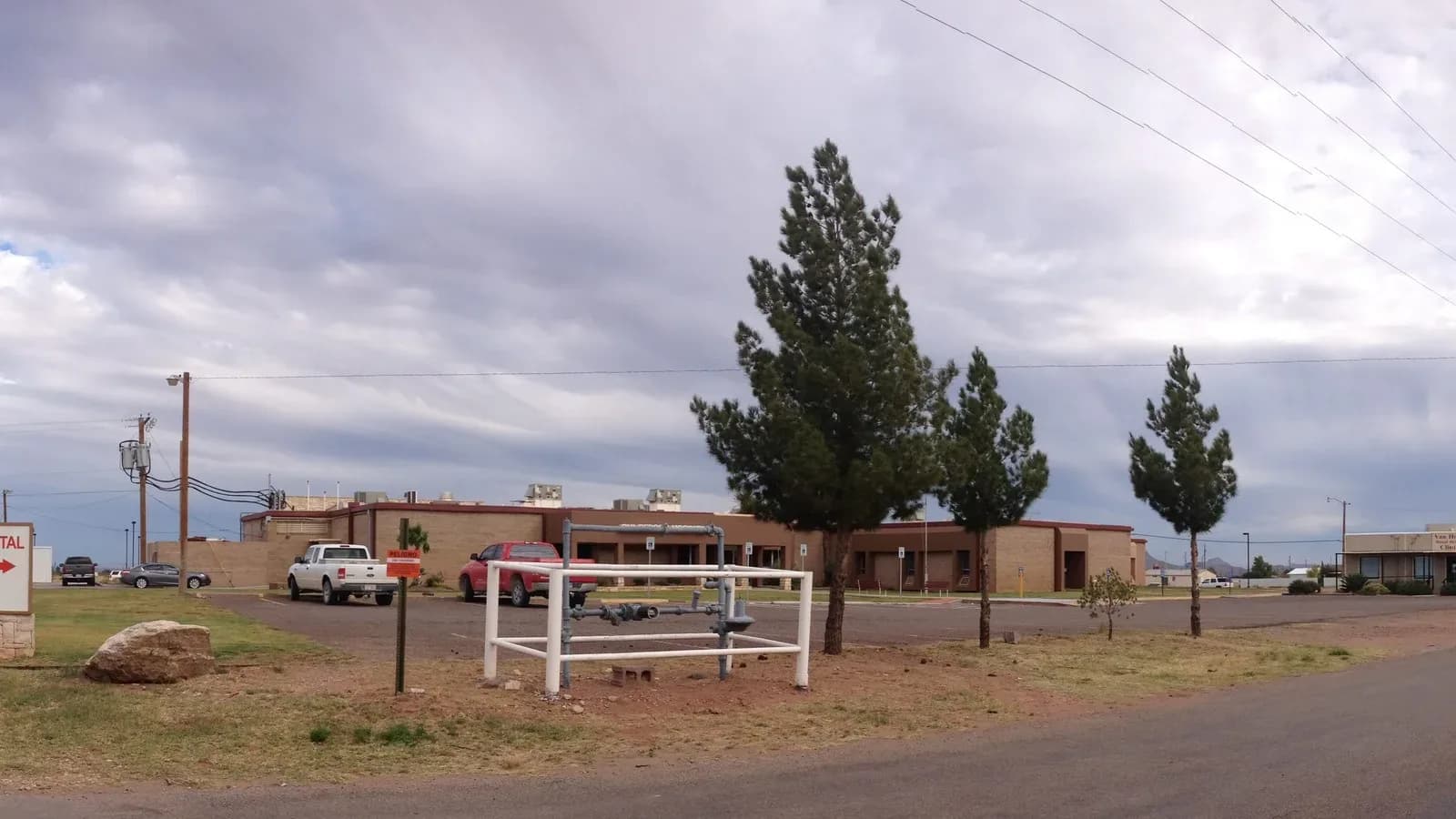
Hero photo: Texas.pics via Wikimedia Commons, CC BY-SA 3.0, cropped and resized.