UTMB Uses AI to Speed Follow-Up After Lung Cancer Screenings and Incidental Finds
The University of Texas Medical Branch said Nov. 19 that it is using artificial intelligence in its Comprehensive Lung Cancer Screening Program to speed follow-up after screening exams and to flag lung nodules found incidentally on other scans.
The University of Texas Medical Branch is using artificial intelligence to speed follow-up after lung cancer screening exams and to flag lung nodules found on scans ordered for other reasons, the institution said in a Nov. 19 article. The tools are being used in UTMB Health's Comprehensive Lung Cancer Screening Program, including its work on incidental lung nodules.
UTMB Health established the program in 2016 to screen patients at high risk for lung cancer and to identify patients whose lung nodules were found incidentally and may need more evaluation, the article said. Shawn Nishi, MD, medical director of the Comprehensive Lung Cancer Screening & Incidental Lung Nodule Program, said the original process was time-consuming and could take weeks or even months. The screening team had to review records by hand before identifying patients who needed follow-up, notifying them and their ordering providers, and scheduling more testing or physician visits.
"By the time we navigated the care pathway for these patients, their time-critical follow-up window had often closed," Nishi said. "We needed to replace our labor-intensive workflow with a faster, more sustainable process that prioritizes patient outcomes."
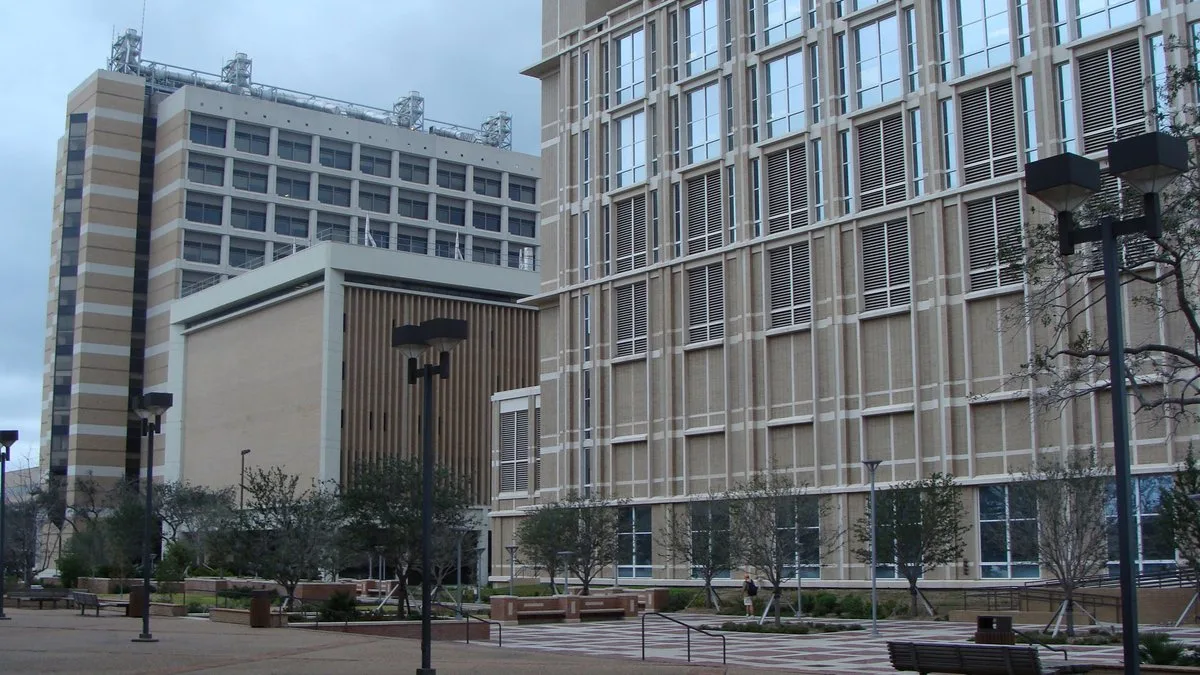
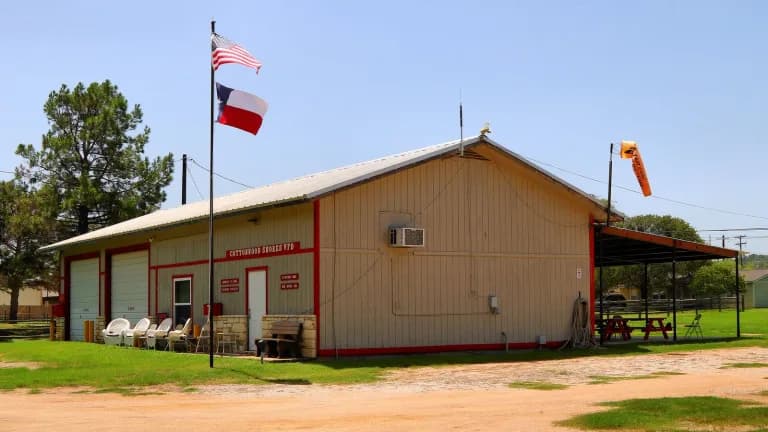
Research buildings on the UTMB campus in Galveston, photographed Dec. 24, 2009. File photo; this is not a picture of the lung-screening program. Photo: Zereshk / Wikimedia Commons, CC BY-SA 3.0.
What the Software Does
"By implementing AI, we've transformed a highly manual, time-consuming workflow. We can now identify patients following screening exams and accelerate their path to a definitive outcome in a fraction of the time," Nishi said. The current system, developed in collaboration with Bunkerhill, reviews radiology reports for patients undergoing lung cancer screening exams, she said. The program has used several AI tools over the last few years.
Any nodule, whether found on a lung cancer screening exam or on another imaging study that includes any portion of the lungs, is now flagged for review by a patient navigator. Much of the chart review that used to take the most time has been automated, the article said, so navigators can spend more time helping patients understand and complete the next steps.
Amanda Rodriguez, the program's patient navigator, reviews the work and checks that the AI model is doing what the team intends, Nishi said. Rodriguez can use a dashboard drawn from patients' electronic medical records to calculate a validated lung cancer risk score for patients with scan abnormalities, which helps her decide whom to call first.
"She can go through every day and say, 'There are five people today who haven't followed up, and they have a really high risk for developing lung cancer based on this scan. I really want to focus on them first,'" Nishi said.
Nishi emphasized that the software is an assistant, not a decision maker. "We are only trying to make sure we don't miss anything," she said. "We as providers are seeing so many people, and we are human. We are fallible. AI is tirelessly working in the background on our patients' behalf."
Incidental Finds and the Clinic Visit
Because the protocol includes imaging of any portion of the chest performed at UTMB Health, the program can flag pulmonary nodules discovered during exams ordered for other reasons. Roughly two-thirds of the nodules identified through the program have been found in patients who were not undergoing lung cancer screening, the article said.
Nishi described one patient in her 20s who was scanned after a motor vehicle accident. A nodule was found incidentally, a biopsy showed lung cancer, and the patient underwent surgery intended to cure the disease, Nishi said. When asked about her family history, the patient named seven or eight relatives who had been diagnosed with cancer. "She ended up having a hereditary disease, which made it important for her family members to be tested for the same disease," Nishi said. "That's a prime example of somebody we would never have caught if not for her motor vehicle accident." The article did not name the patient or give a date for the case.
For patients with an abnormal finding, Nishi said, a clinic visit still matters. "Fear often stems from the unknown," she said. "That's why a clinic visit is so powerful. It gives people the opportunity to connect with a person." For very small, low-risk nodules that simply need routine follow-up, she said, sitting down to review the radiology images with the patient can ease anxiety. Nishi also uses robotic bronchoscopy, which she described as an AI-enabled tool that allows physicians to navigate virtually to areas of the lung and biopsy lesions with a high degree of accuracy and a better safety profile than some other sampling methods.
Looking back on her training, Nishi said lung cancer was almost always a death sentence then, that the treatment was as bad as the disease, and that people lived on average maybe five years. Newer medicines, including immunotherapy and targeted therapies, were just emerging. She said many of those advances have since become clinical realities, and that she believes AI also has a role in diagnosis and care. "Time can mean a lot if a nodule is cancer," Nishi said. "We want to pick it up early before it's spread anywhere so that there's a chance for a cure."
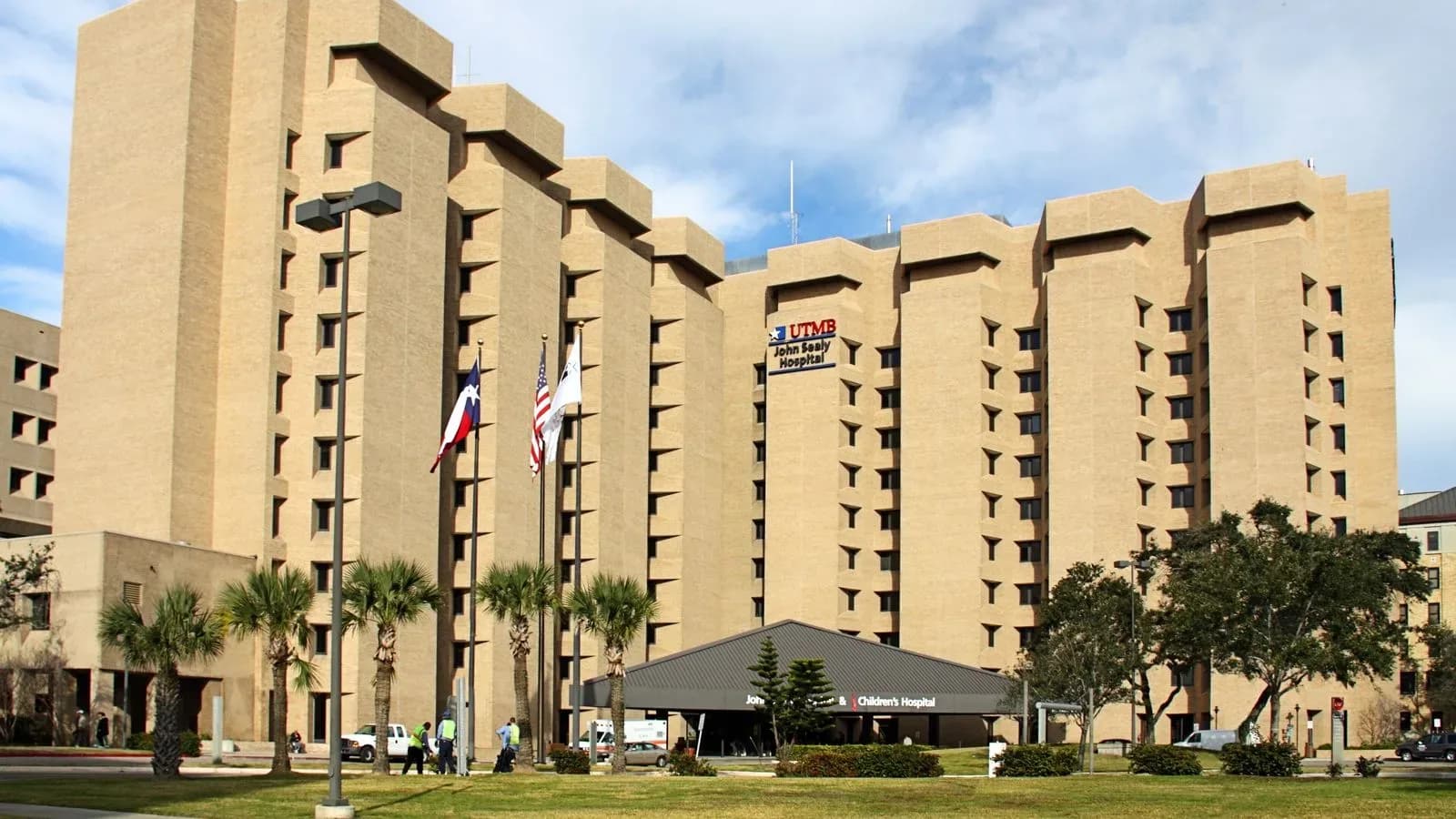
The Nov. 19 article does not report how many patients the program screens each year, how often the software is wrong, or how much the follow-up interval has been shortened in measured terms. UTMB, the first academic health center in Texas, opened in 1891 and today has four campuses, five health sciences schools and a health system serving the Texas Gulf Coast. It is part of The University of Texas System and a member of the Texas Medical Center.