The Federal Red Snapper Season Off Texas Closes Nov. 20 After 183 Days
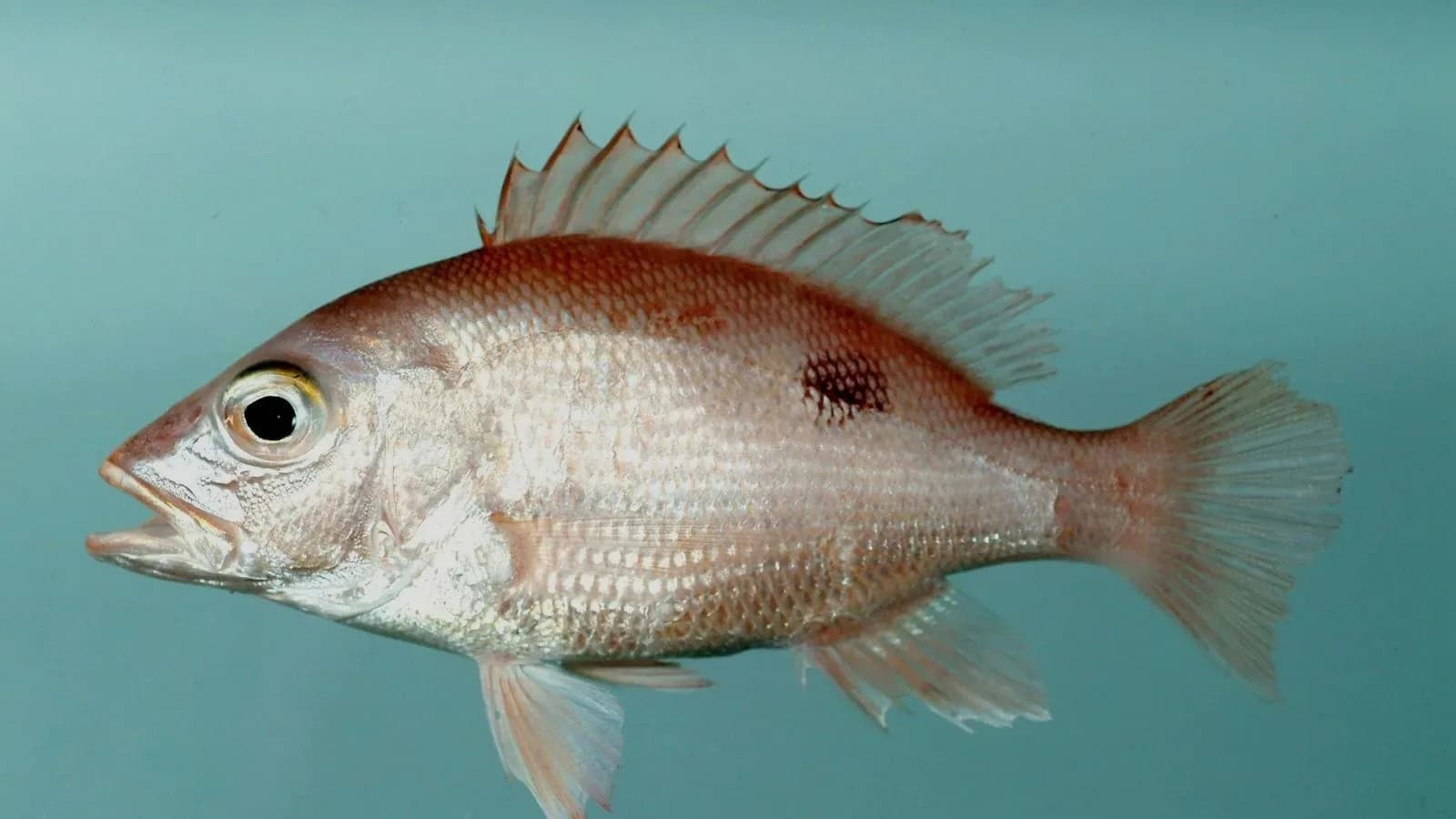
TPWD said the 2026 private recreational red snapper season in federal waters will close at 11:59 p.m. on Nov. 20, ending a 183-day season. State waters remain open under a four-fish, 15-inch limit.
The 2026 private recreational red snapper season in federal waters will close at 11:59 p.m. on Friday, Nov. 20, the Texas Parks and Wildlife Department said in a news release dated Nov. 12. The department said the federal season opened this year on May 22, earlier than the typical June 1 start, and that the Nov. 20 closing date ends a 183-day season in federal waters, the longest federal red snapper season since Texas began state management of the fishery in 2018.
TPWD said opening the season on the Friday before Memorial Day surpassed last year's 173-day season and gave saltwater anglers more than 183 days of offshore red snapper fishing along the Texas coast. "The 2026 federal red snapper season offered nearly six months of red snapper fishing opportunities to the people of Texas," said Robin Riechers, director of the department's Coastal Fisheries Division. "This remarkable milestone clearly shows that regional management of fisheries works to provide greater benefits and fishing opportunities to anglers." That assessment is Riechers' and the department's. The length of the season is a fact the release states; whether regional management "works" is a judgment, and it should be read as such.
The closure applies to federal waters. After Nov. 20, the department said, Texas state waters will remain open until the total allowed state catch limit is reached, and coastal anglers in those waters, out to nine nautical miles, may continue to keep up to four red snapper per day, with a 15-inch minimum length limit. The release also says Texas closes the federal season when the state's catch limit, measured in pounds, is reached for the year, "with enough cushion to keep Texas' state water red snapper season open year-round and maximize federal fishing opportunities." Dock Line is reporting that official description. The release does not publish the pound figure used for this year's federal close.
Federal red snapper fishing, TPWD said, is managed by a quota system under an agreement between the department and the National Marine Fisheries Service. During the season, catch data in pounds is monitored to determine when a federal closure is necessary. To estimate the harvest, the department said it uses its creel survey program and a mobile application. Anglers can continue to report snapper landings in state waters with TPWD's Texas Hunt & Fish app, and the department encouraged them to use the app to report their red snapper landings.
The 2026 federal season was also the first year of what TPWD called its gulf-wide "DisCARD" study. In partnership with Mississippi State University and the four other Gulf state agencies — Alabama, Florida, Louisiana, and Mississippi — the department asked saltwater anglers to submit data collected while fishing, on cards distributed at certain boat ramps along the Texas coast. TPWD said the project is meant to gather information on reef fish caught and released offshore, from anglers, for use in assessments that help set sustainable harvest levels for species including red snapper. The study, the department said, will continue during the 2027 federal season.
A closed federal season is a rule, not a suggestion. Anglers who have used the extra weeks offshore should know the date and the line between federal water and the nine-nautical-mile state-water strip that remains open under the four-fish, 15-inch limit. The Gulf is still a working coast after Nov. 20, including other harvests and public places such as Sea Rim State Park, Near Port Arthur, Is Where the Marsh Meets the Gulf. Reporting landings, and staying inside the law, is how a shared fishery is kept. "The earth is the Lord's, and the fulness thereof" (Psalm 24:1). A long season is a gift only if the stock is still there next year.