

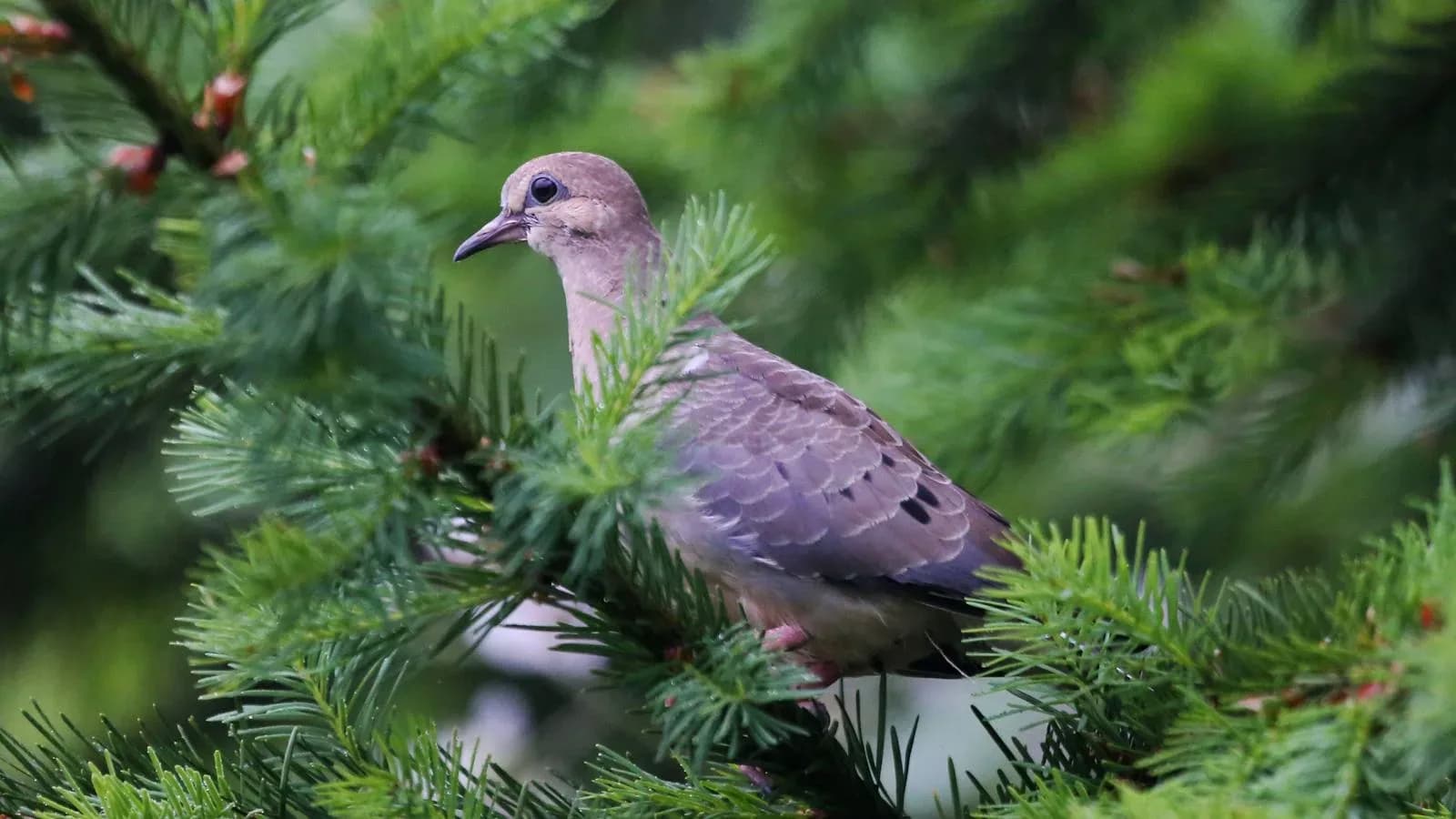
North Texas Dove Season Closes at Sunset Today. Here Is When Every Zone Reopens and What You Can Shoot
TPWD's North Zone dove season ends Nov. 8. The Central Zone reopens Dec. 11 and the North and South zones Dec. 18, with a 15-bird daily bag statewide.
For regular-season hunting of game doves in the North Zone, today is the last day until December. That zone's first split ends at sunset Sunday, Nov. 8. Central and South Zone regular seasons are already closed; falconry and unprotected species have different rules.
All dates and limits below come from the Texas Parks and Wildlife Department's 2026-2027 dove regulations. Check that page or your county listing and any site-specific restrictions before each hunt. This article summarizes the rules; it is not a complete hunting guide.
Where the season stands
TPWD splits the state into three dove zones:
North Zone: Sept. 1 to Nov. 8, 2026, then Dec. 18, 2026, to Jan. 7, 2027.
Central Zone: Sept. 1 to Oct. 25, 2026, then Dec. 11, 2026, to Jan. 14, 2027.
South Zone: Sept. 1 to Oct. 25, 2026, then Dec. 18, 2026, to Jan. 21, 2027.
That means the Central and South zones already closed Oct. 25. After tonight, no regular dove season is open anywhere in Texas until the Central Zone reopens Dec. 11. A statewide falconry season runs Nov. 13 to 29.
Know your zone line
The zone lines are drawn by highways, and they are not the same as the duck zones.
North Zone is north of a line that starts at the International Bridge south of Fort Hancock, follows FM 1088, State Highway 20 and State Highway 148 to Interstate 10 at Fort Hancock, then runs east on I-10 to I-20, northeast on I-20 to I-30 at Fort Worth, and northeast on I-30 to the Arkansas line.
South Zone is south of a line from the International Toll Bridge in Del Rio, along U.S. 277 Spur to U.S. 90, east on U.S. 90 to State Loop 1604 in San Antonio, following Loop 1604 south and east, then north, to I-10, and east on I-10 to Louisiana.
Central Zone is everything between.
A lease near Fort Worth or San Antonio can sit on either side of a line, so check before you go.
Bag limits and hours
The daily bag is 15 doves in every zone, with no more than two white-tipped doves. Possession is three times the daily bag. The statewide falconry season has a three-bird daily bag and a nine-bird possession limit.
Legal shooting hours run from one-half hour before sunrise to sunset.
Know your birds
TPWD lists three legal game doves:
Mourning dove: brown with black spots on the wing and a long, pointed tail. Found across Texas.
White-winged dove: a white bar on the wing and a long, rounded tail. Found in South Texas and, TPWD says, increasing statewide.
White-tipped dove: large, rounded tail and rust-colored wing linings. Found in South Texas, and limited to two a day.
Two birds have no closed season or bag limit: the Eurasian collared-dove, marked by a narrow black collar on the back of the neck and a white, squared tail underside, and the common rock pigeon. TPWD recommends leaving plumage on these birds for identification.
Three are protected and must not be shot: the band-tailed pigeon, with a yellow bill and white neck band; the small, scaly-looking Inca dove; and the common ground dove, sandy brown with dark wing spots and a short, round tail. Do not shoot unless you can positively identify a legal species.
Paperwork
Game-dove hunters need a valid Texas hunting license, HIP certification and the Migratory Game Bird Endorsement where required. TPWD's hunting-license requirements and exceptions explain that holders of a youth hunting license are exempt from state hunting endorsements except the reptile and amphibian endorsement; HIP must still be added when applicable. Check all applicable license, endorsement and hunter-education requirements before hunting. TPWD says you can get HIP certified at the license counter by telling the clerk you plan to hunt migratory birds and answering a few questions. If you take a banded bird, TPWD asks you to report the band at reportband.gov.
A good season, well kept
Dove season is where a lot of Texas kids fire their first shot and learn to wait quietly in a field. It is worth doing right. Learn the birds, respect the line, keep your count and pick up your hulls.
The Lord made the birds of the air and feeds them, Jesus said, and he cares for us even more. A hunter who receives the harvest as a gift, and takes only what the law allows, is honoring both the Creator and the neighbors who share the fields.
The break is a good time to clean the shotgun, scout for December and turn to waterfowl. For those rules, see Texas Duck Season Is Open in the South and Opens Nov. 14 Up North. Know Your Zone, Your Limits and the Dusky Duck Rule.
More Outdoors Stories
 Today
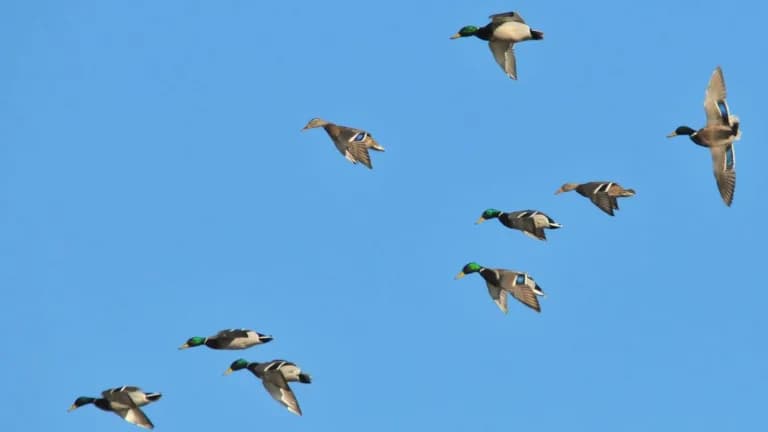
Texas Duck Season Is Open in the South and Opens Nov. 14 Up North. Know Your Zone, Your Limits and the Dusky Duck Rule
 Last Week
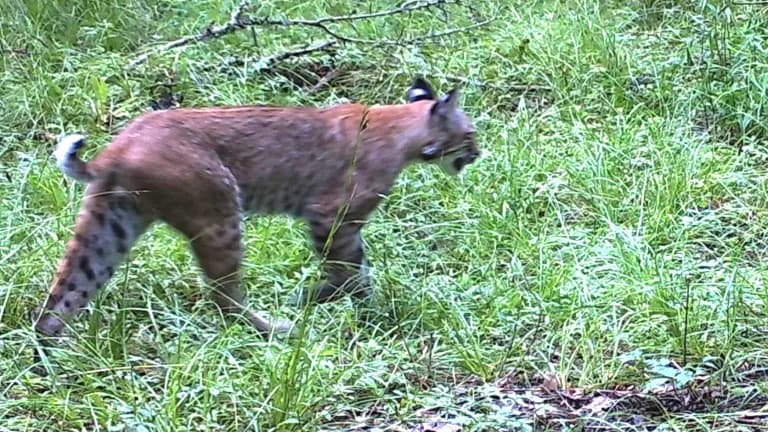
Houston Is Wilder Than It Looks: What Trail Cameras Found Across the City
 Last Week