Forest Service Opens 2027 Southern Pine Beetle Prevention Aid for Pine Landowners
Texas A&M Forest Service said Nov. 20 it is accepting 2027 Southern Pine Beetle Prevention Program applications from landowners with at least 20 contiguous acres of pine, with enrollment starting through Jan. 31.
Texas A&M Forest Service is accepting applications for the 2027 Southern Pine Beetle Prevention Program, which offers financial help to eligible landowners who thin pine stands to lower the risk of a southern pine beetle infestation, the agency said in a Nov. 20 announcement from College Station.
Landowners with at least 20 contiguous acres of pine forest may apply. Contiguous means the pine acreage has to be in a connected block, not scattered parcels added together to reach the minimum. The agency said landowners should contact their local Texas A&M Forest Service office to begin enrollment by Jan. 31, 2027. Applications will be ranked, and applicants will be told of funding decisions by March 1, 2027. Ranking means an eligible tract is not guaranteed money. The announcement does not describe the scoring system, name a statewide acreage target, or say how much funding is on hand for 2027.
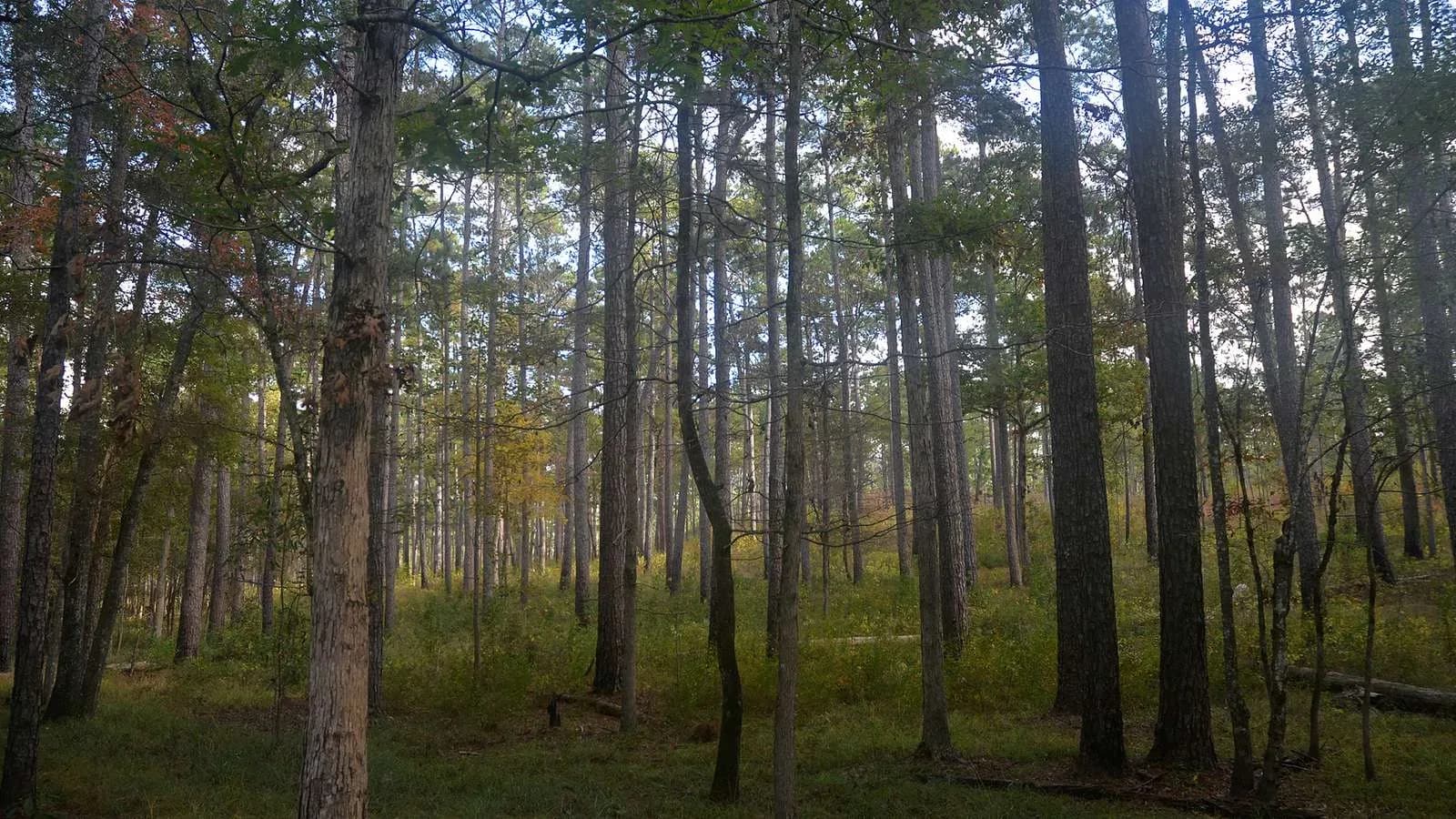
The southern pine beetle is one of the most destructive native forest insects in the southeastern United States, the Forest Service said. Unlike some other bark beetles, it can attack healthy pine trees, and infestations can spread rapidly under outbreak conditions. That point matters for landowners who might assume only drought-stressed or damaged trees are at risk. Dense pine stands are especially vulnerable. Thinning reduces competition among trees, improves their health and helps prevent the conditions that let an infestation get started and spread, the agency said.
The Nov. 20 release does not claim that Texas is in a southern pine beetle outbreak now. It is an announcement that a prevention program first established in 2003 is open again for the coming year. The help is for work that reduces risk before an infestation, not a payment for trees already killed.
What the State Will Pay
The program pays for several management practices, with a cap of $10,000 per landowner each year.
First pulpwood thinning is paid at $300 per acre for a stand’s first thinning, with residual basal area of no more than 80 square feet per acre. At that rate, the annual cap would cover about 33 acres. Precommercial thinning is paid at $400 per acre, with the same residual basal area limit, and must take place between October and May. At $400 per acre, the cap would cover 25 acres. A landowner notified of funding on March 1 would still have March, April and May inside that precommercial window, then would have to wait until October. The program also pays $25 per acre to support the use of a professional consulting forester.
Basal area is a standard forestry measure of how much of an acre is occupied by tree trunks. The 80-square-foot cap is the density the program requires after the thinning is done. Precommercial thinning is the costlier practice on a per-acre basis, and it is limited to the cooler months. The announcement does not further define the two thinning treatments, report how many acres were treated last year, or say whether a landowner may combine practices under the same $10,000 annual limit.
Enrollment runs through a local Forest Service office, not an online form described in the release. For more information, the agency pointed landowners to their local forester or to Allen Smith, the program manager, at 903-297-5094.
East Texas is pine country, and a beetle that can move through healthy trees is not a minor nuisance. The state’s offer is practical: thin a qualifying stand, keep the residual density within the program’s limit, and the Forest Service will share the cost, up to $10,000 in a year. Landowners who want in have until the end of January to start the paperwork with their local office.