The Orionids Peak Next Week. Here Is Where Texans Can See Them Best.
Halley's Comet leftovers light up the sky the night of Oct. 21-22. A bright moon will interfere, so plan for the hours before dawn and get to a dark Texas state park.
One of the year's prettiest meteor showers peaks next week. The Orionids peak the night of Oct. 21 into the morning of Oct. 22, according to NASA. The shower is active from Oct. 2 to Nov. 7, so you can catch some meteors on other nights too.
What you will see
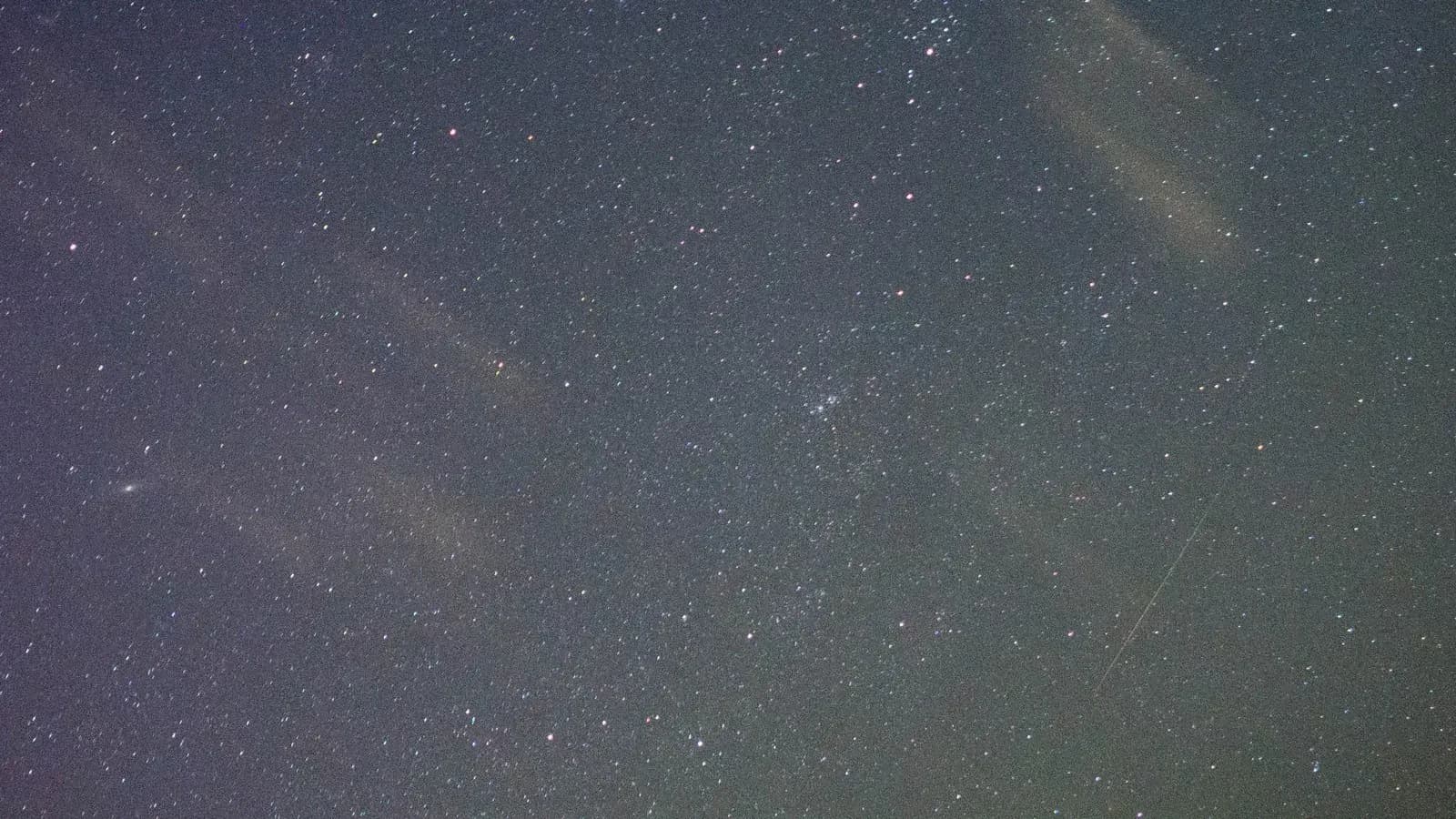
The Orionids come from dust left behind by Halley's Comet. NASA says the meteors hit the atmosphere at about 41 miles per second, which makes them bright and fast. They can leave glowing trails that last seconds or minutes, and some become fireballs. Under dark skies, expect about 10 to 20 meteors an hour.
The meteors seem to come from near Betelgeuse, the bright star in the constellation Orion. They can streak across any part of the sky, so you do not need to stare at one spot.
Mind the moon
This year a bright waxing gibbous moon will wash out the fainter meteors. The American Meteor Society says the moon will be about 74% illuminated on peak night and expects significant interference while it is above the horizon, though brighter meteors can still be seen. NASA's October skywatching guide says your best chance is likely the few hours before dawn, after the moon sets.
Where to go in Texas
Darkness matters more than anything else. TPWD rates state parks on the Bortle Scale, where 1 is darkest. Big Bend Ranch State Park is rated 1, the darkest in the system. Cedar Hill State Park near Dallas is rated 7, according to TPWD.
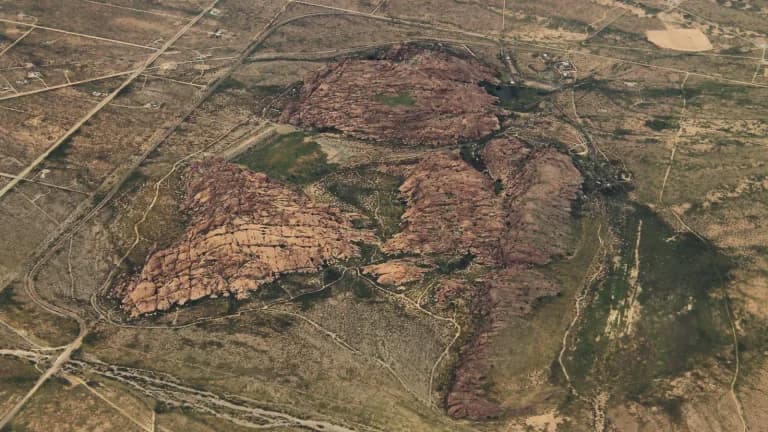
Big Bend Ranch, Caprock Canyons, Copper Breaks, Enchanted Rock and South Llano River state parks are International Dark Sky Parks. Devils River State Natural Area is an International Dark Sky Sanctuary, TPWD says. Many parks also hold star parties; check the TPWD Dark Skies program for events.
Tips for watching
Find a dark spot, give your eyes time to adjust, and keep your phone screen off as much as you can. Bring a reclining chair or blanket and a jacket for the predawn hours. Check park rules about after-hours access and book a campsite if you plan to stay the night.
Our earlier story on what meteors leave behind in the upper atmosphere explains more of the science. For more reasons to get outdoors, see 8 simple ways to spend more time outside.
Lift up your eyes
"The heavens declare the glory of God; and the firmament sheweth his handywork," the psalmist wrote in Psalm 19:1. An hour under a dark Texas sky, watching bits of an old comet burn up, is a good reminder of that.
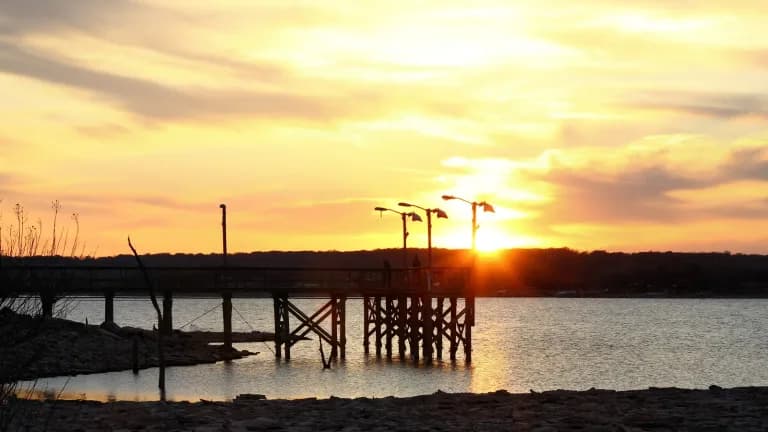
Hero photo: David Wipf / Wikimedia Commons, CC BY 2.0 (license).