A Judge Lets Banned Reporters Back Into the White House. Conservatives Should Mind the Principle.
A federal judge issued a preliminary injunction blocking the White House ban on CNN, Politico and MS NOW, finding it likely violated the First and Fifth Amendments.
A federal judge late Tuesday ordered the White House to let reporters from CNN, Politico and MS NOW back onto the grounds while their lawsuit against President Trump moves forward. The ruling is a setback for the administration, and it is worth reading closely, because the reasoning matters more than the outlets involved.
What the judge decided
U.S. District Judge Timothy Kelly of Washington, D.C., issued a preliminary injunction blocking the administration from enforcing its ban on the three outlets until the case is decided, NBC News reported. He had already issued a temporary restraining order lifting the ban while he considered the case. The Associated Press, CNBC and Politico, one of the plaintiffs, also reported the ruling. Kelly is a Trump appointee, Politico noted.
Kelly found the ban likely violated the reporters' First Amendment free speech rights and their Fifth Amendment due process rights. "President Trump likely banned Plaintiffs from the White House because he believes that their reporting is generally inaccurate and biased against him," he wrote in a 26-page opinion.
The order has limits. It does not require the White House to let reporters from those outlets into the Oval Office or onto Air Force One, places where CNN and Politico reporters have been blocked in recent weeks, according to NBC. Trump said on Truth Social, before the ruling came down, that he would appeal.
How it started
Trump announced the ban on Sept. 18, saying it was a "result of their constant 'reporting' FAKE NEWS!" He added: "Media Outlets shouldn't be able to constantly write or report FICTION and LIES when they're covering the President of the United States, the Trump Administration, or the United States of America. Other Fake News Media Outlets to follow."
The ban affected 78 journalists who held "hard passes," meaning they had already been screened and credentialed to work at the White House, the outlets said in court filings.
Only later did the White House argue the ban was a national security matter. Trump wrote that the outlets' reporting was "a threat to our National Security, and must be stopped, NOW!" The judge was not persuaded. "There is practically nothing national security-related in the record connected to the President's decision to revoke Plaintiffs' hard passes to which the Court can defer," Kelly wrote.
He also pointed to Trump's own words. In an interview with Time magazine, the president complained of "bad story after bad story" from the three outlets. The outlets' lawyer, Ted Boutrous, called that "a confession of what amounts to viewpoint discrimination." "President Trump, I'll give him credit," Boutrous said. "He's not hiding it."
The administration's case
The Justice Department's lawyer, Michael Velchik, argued at a hearing last Thursday that the White House is a "sacred place" that should not have to admit people just because they "identify as a reporter." "Access to the White House is a privilege, not a right," he said, according to NBC.
There is something to that. No one has a constitutional right to wander the West Wing, and the judge himself was careful. Kelly wrote that his decision does not concede that Trump's complaints about accuracy and fairness are unfounded, or that the government is "powerless" to protect national security when classified information is unlawfully disclosed. On due process, he noted the White House argued that the relevant appeals court precedents were wrong. "Maybe, but this Court is bound by D.C. Circuit precedent, full stop," he wrote.
Meanwhile, the Justice Department said last week it is investigating five major TV networks, including CNN and NBC, for possible antitrust violations after they briefly declined to provide pool coverage of the president in protest of the ban, NBC reported.
Why conservatives should care
Conservatives have plenty of reasons to distrust the legacy press. Many outlets have earned that distrust, and Dock Line readers know it. But the principle in this case does not belong to CNN. It belongs to everyone.
The First Amendment's protection is strongest where it is least comfortable: when the government wants to punish speech it dislikes. A president who can bar reporters because their coverage is unfair can be followed by one who bars Christian broadcasters, conservative outlets or small independent magazines for the same reason. Power used against your opponents today will be used against you tomorrow. It is the same point we made about the federal search of Rep. Ilhan Omar's home: equal justice means the government plays it straight with the people it dislikes, too. Conservatives learned that lesson the hard way in recent years, when they complained, rightly, about government pressure on social media platforms to silence their views.
Scripture tells rulers to be just, not to like everyone who covers them. The answer to bad reporting is better reporting, open records and the president's own enormous platform, which he uses every day. Locking the door on 78 credentialed journalists because of what they wrote is the wrong answer, and so far a federal court agrees.
The case is not over. The administration will appeal, and the D.C. Circuit may see it differently. But for now, the reporters are back in, and the rule is the old one: the government does not get to pick its press corps based on whether it likes the coverage.
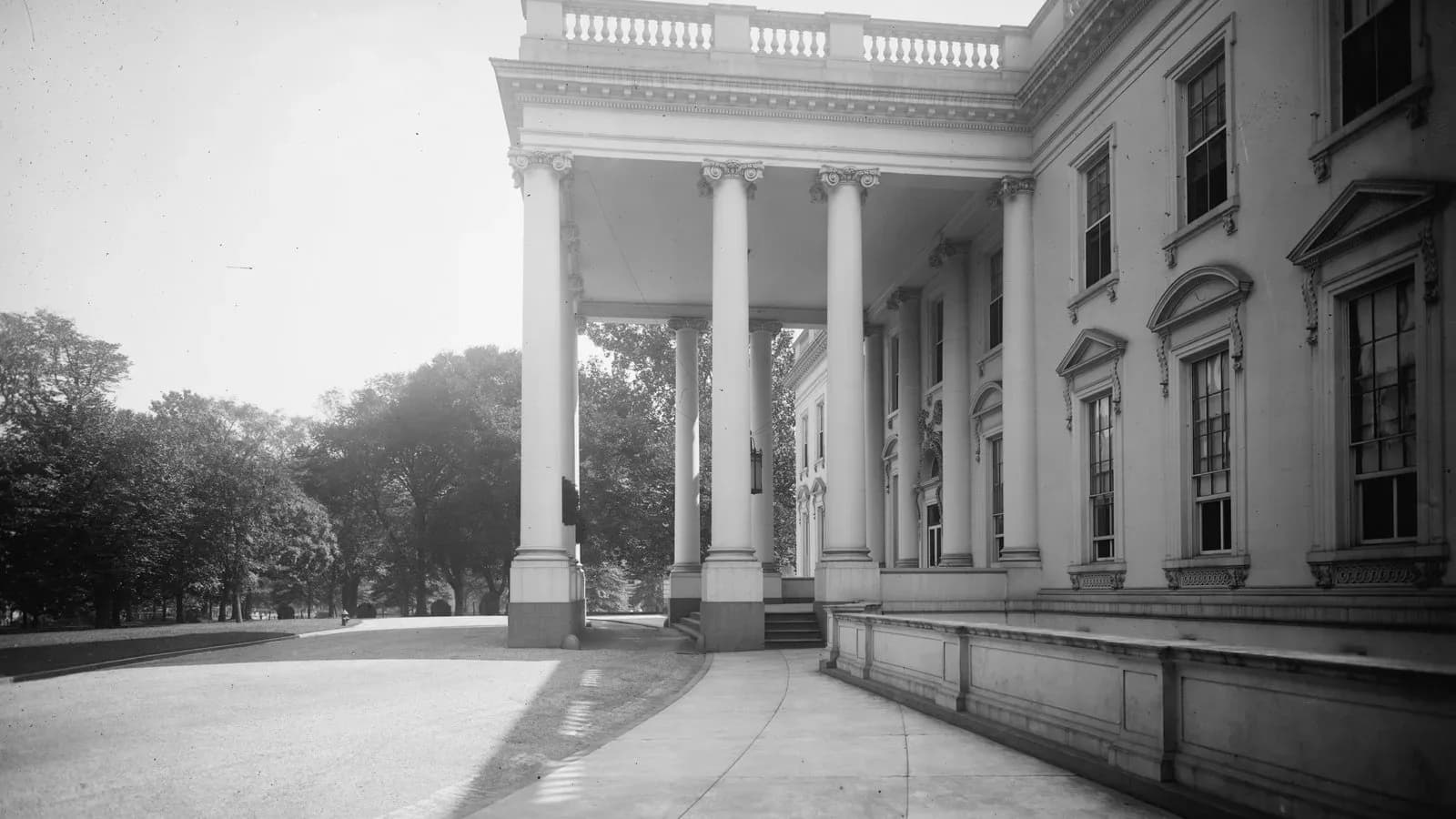
Hero photo: Harris & Ewing Collection, Library of Congress, public domain.