Construction on Trump's 250-Foot Arch Could Start Days After the Midterms. The Graves Across the Road Deserve a Say.
The Trump administration told a judge that construction on the proposed 250-foot triumphal arch near Arlington National Cemetery could begin as early as Nov. 5.
The facts come first below. My opinion follows in the section marked as opinion.
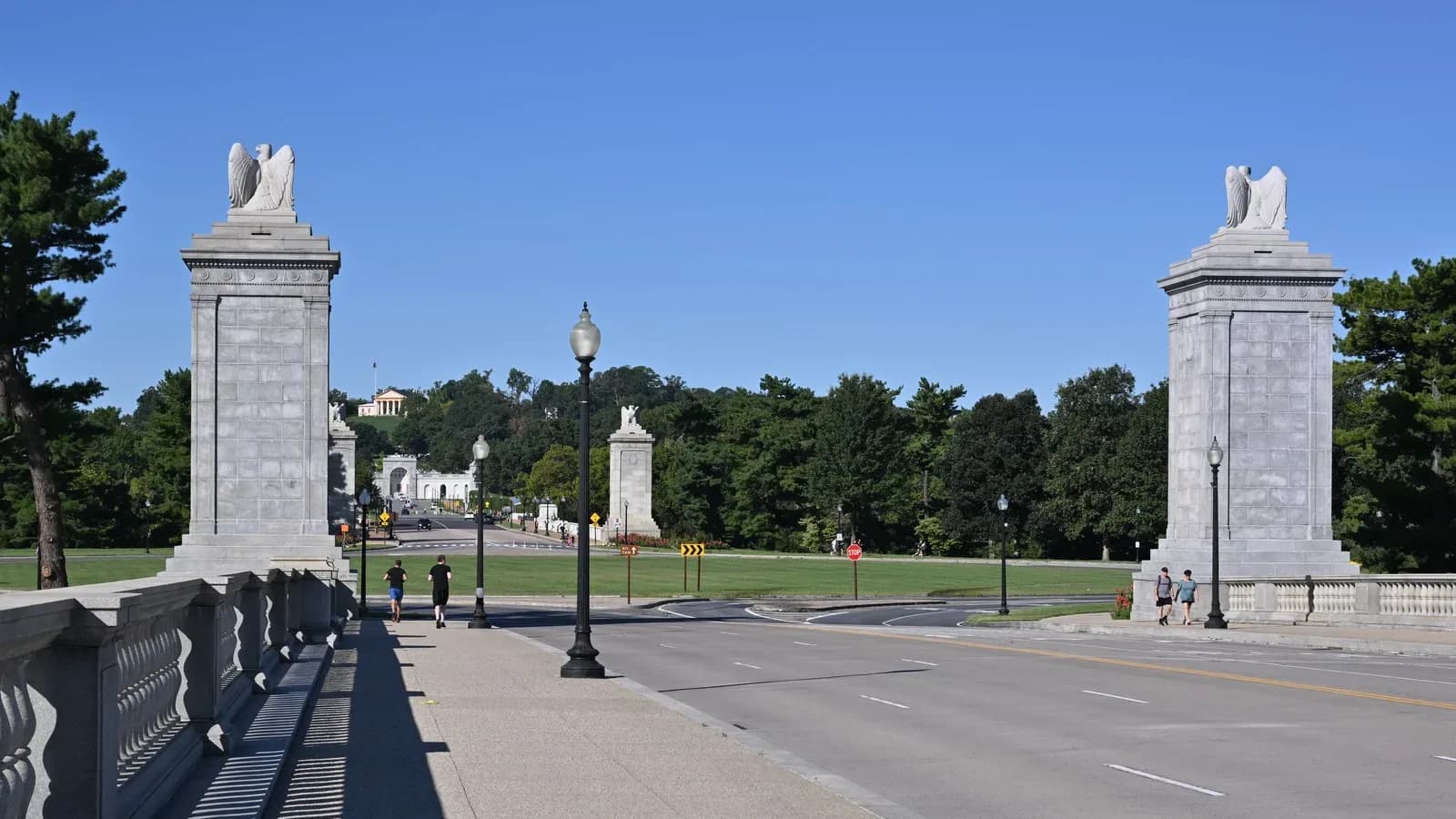
The Trump administration told a federal judge on the evening of Oct. 21 that construction on President Donald Trump's proposed 250-foot triumphal arch in Washington could begin as early as Nov. 5, two days after the midterm elections. In a court filing, the Justice Department said the National Capital Planning Commission is set to meet on Nov. 5 and could approve final plans that day, and that with final authorization from the Interior Department, "construction could commence as early as November 5, 2026," according to a CNN report.
What the filing says
If the commission signs off, the Interior Department would need to issue its final decision authorizing construction, and the National Park Service would publish that notice. Federal attorneys wrote that all of that could happen on the day of the meeting. The notice was filed in a lawsuit brought by several Vietnam War veterans and a historian who are challenging the project, WJLA-TV in Washington reported.
In earlier filings, the administration has pushed to finish the structure within two years, before the president leaves office. Administration officials say the arch is meant to celebrate America's 250th anniversary. Opponents say it would damage sightlines between the Lincoln Memorial and Arlington National Cemetery and could affect flights. Arlington County, Virginia, has also sued, arguing construction would hurt tourist traffic and a major route for emergency services, WJLA reported.
The veterans and historian answered the next day. On Oct. 22 they asked U.S. District Judge Tanya Chutkan to bar the administration from building any structure in Memorial Circle without approval from Congress, the Associated Press reported. Chutkan had already ordered the government to give at least 14 days' notice before starting work. The administration argues that the 1925 law that provided for Memorial Bridge also authorizes the arch, and opponents call that argument "entirely untethered" from the law's text, ABC News reported.
A gateway, or a military post?
The final plans released earlier this month describe the arch as a "ceremonial gateway" to the nation's capital. They leave out the military features Trump described in September, when he said the arch would store large numbers of drones and serve as a post for military snipers with a large cache of ammunition. CNN reported that the structure still might include them, according to the same report.
The arch would sit directly across from Arlington National Cemetery, where nearly 430,000 service members, veterans and family members are buried. Veterans suing to stop it argue the towering structure would break the solemnity of funerals at the cemetery. Preservationists argue it would disrupt the line of landmarks that includes the Lincoln Memorial and Arlington House. An Interior Department spokesperson told CNN the structure will "enhance the visitor experience at Arlington National Cemetery for veterans, the families of the fallen, and all Americans alike," CNN reported.
Opinion: Honor the nation, but do not rush past the graves
There is nothing wrong with a great nation building a great monument. America is about to turn 250, and that is worth marking in stone. Arches have honored victories and founders for centuries, and plenty of Americans who love this country will like the idea. I understand the impulse.
But the place and the pace matter. This arch would stand across the road from the resting place of nearly 430,000 people, most of whom served this country. Funerals happen there almost every day. Veterans are among those in court asking for more care, and their concern deserves more than a construction crew waiting at the gate the morning after approval.
The shifting story does not help. In September the president said the arch would hold drones, snipers and ammunition. This month's plans call it a ceremonial gateway. Which is it? A project this large, in a spot this sacred, should be able to answer that plainly before the first shovel goes in.
Scripture warns us, "Let nothing be done through strife or vainglory; but in lowliness of mind let each esteem other better than themselves." A monument to the American founding should reflect that humility. And it should remember that there is "a time to keep silence, and a time to speak." At Arlington, silence is the point.
If the commission approves the plan, the administration has the legal right to build. It should still slow down, answer the veterans, and settle what the arch is for. Washington understood that true honor comes with humility. For that story, read After Yorktown, Washington Pardoned Prisoners and Called for Worship.