

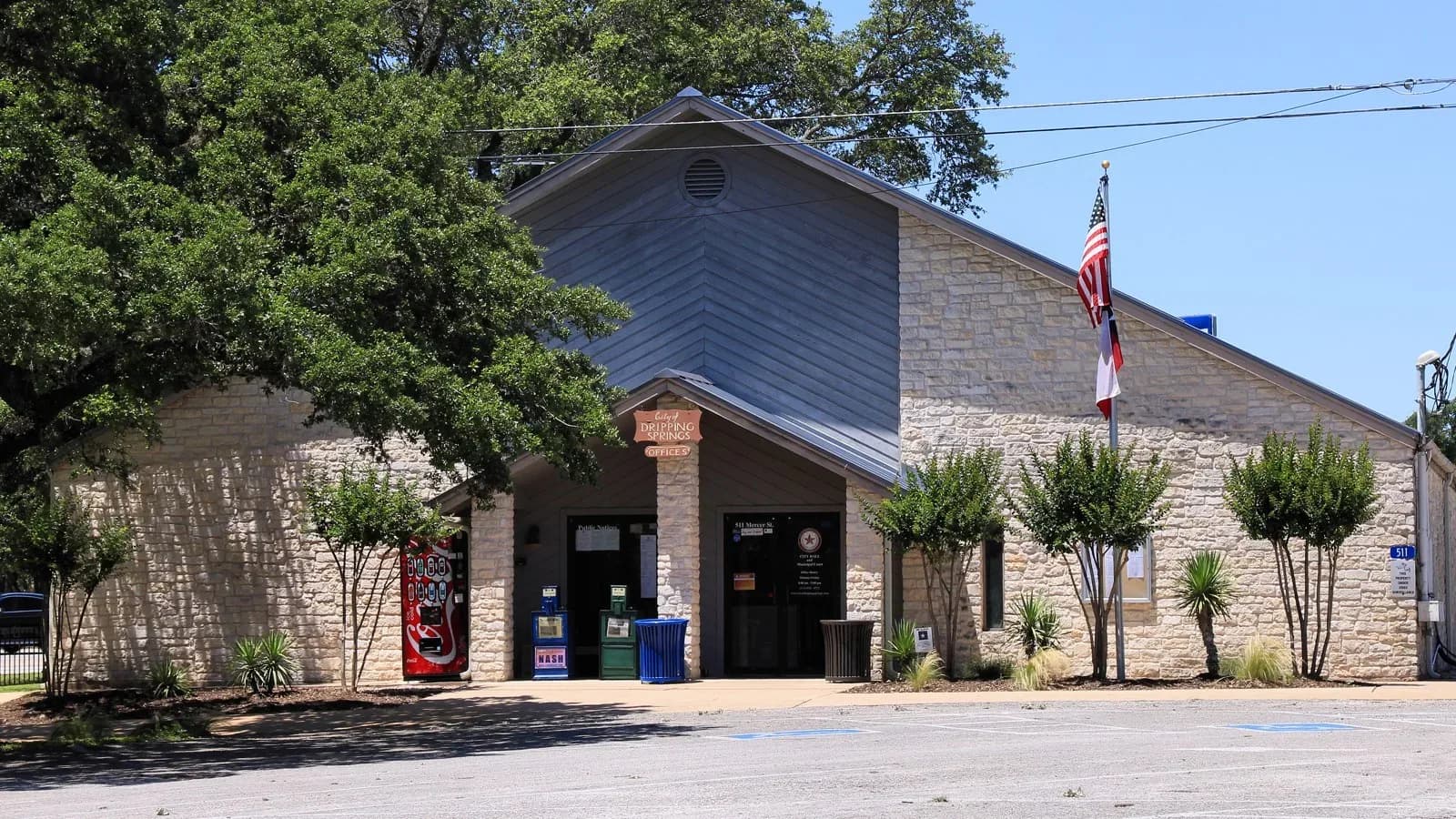
Dripping Springs Seeks Bids for Sewer Plant Expansion After Years in Court
After a lawsuit stalled it for years, Dripping Springs is taking bids on phase one of a sewer plant expansion. Staff expect to recommend a contractor in early 2027.
Dripping Springs has spent more than a decade trying to expand the sewer plant that serves its fast-growing town. A lawsuit held it up for years. Now the city is finally asking contractors to bid.
The City Council approved an invitation for bids for phase one of the South Regional Wastewater Reclamation Facility expansion at its Oct. 20 meeting, Community Impact reported.
What phase one covers
An influent pump station
Aeration basins
Yard piping
UV disinfection
Utilities Director Gray Lahrman said staff will review the bids and recommend the lowest responsible, responsive bidder to the council in early 2027. The city will start designing phase two while phase one is being built.
That is later than the city expected this summer. In August, Community Impact reported that the city planned to issue a notice to proceed to the winning bidder by December.
Why it matters
The plant treats about 162,500 gallons a day now. The city's project page says the permit allows a future capacity of 822,500 gallons a day. By our math, that is about five times today's capacity.
The need is real. According to the August report:
Dripping Springs has grown by more than 500% since 2010, citing the U.S. Census Bureau.
The number of wastewater customers the city serves has grown about 600% since 2015.
For several months, the plant had been near capacity and unable to take most large new connections.
Several developments using stopgap sewer solutions will add more than 3,800 lots or units to the area.
Some builders have had to put in temporary treatment plants or use pump-and-haul tanks that are emptied by truck.
"It hasn't stopped developments from being able to tie in," Deputy City Administrator Shawn Cox said in August. "It's just we're not going to tie in a large subdivision to it because it can't handle that."
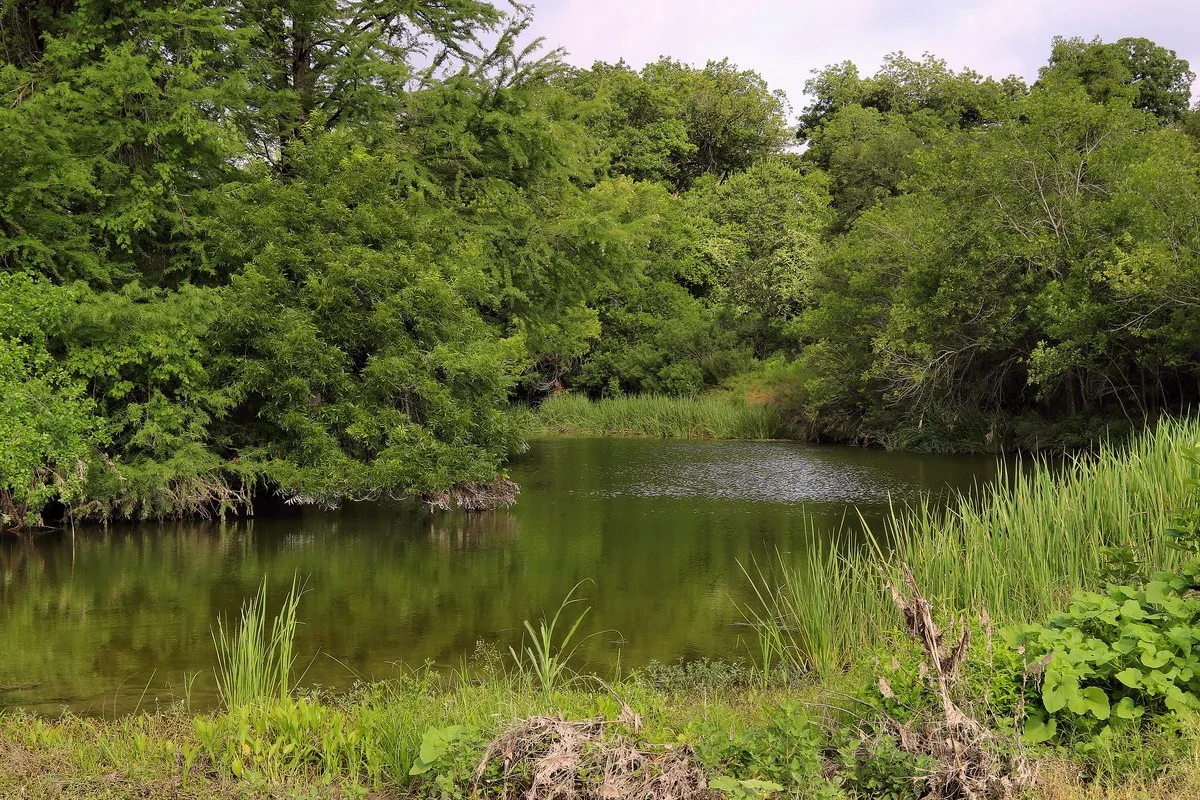
Onion Creek downstream at McKinney Falls State Park in Austin, July 2026. Photo: Larry D. Moore / Wikimedia Commons, CC BY 4.0.
The long road through court
The city started studying its wastewater needs in 2013 and applied for a Texas Pollutant Discharge Elimination System permit in 2015, according to the city and the August report. The Texas Commission on Environmental Quality granted the permit in 2019. The Save Our Springs Alliance sued, arguing the permit violated water quality standards for Onion Creek.
On April 11, 2025, the Texas Supreme Court ruled in favor of the city's permit, according to the city.
The permit allows treated wastewater to be discharged into Onion Creek. Lahrman has said the city does not intend to do that except in an emergency.
"[The permit] allows us to do it in case of emergencies, and that would be the only time it ever happened," Lahrman said in August. "The environmental impact would be nil in my opinion."
The city plans to keep using treated effluent to irrigate parks and open space, and it has contracts with developments to take treated effluent for watering.
Who pays
Costs rose while the case dragged on. The city needed an additional $51.5 million and got it through a Texas Water Development Board loan, according to the August report.
Our view
Growth does not wait for lawsuits. Families kept moving to Dripping Springs while this permit sat in court, and the bill for the delay will land on the people who live there. Caring for Onion Creek matters. So does keeping a promise to provide basic services to the neighbors who are already here.
The city now has its permit and its loan. Residents should watch for the bids in early 2027 and hold the council to a firm schedule.
For more on who pays when growth arrives, read our look at roads, water and drainage and how Georgetown borrowed $46 million from the state.
More Politics & Government Stories
 Yesterday
Big Bend Border Wall Challengers Ask the Supreme Court to Keep Construction Halted
 Yesterday
Comptroller Don Huffines Did Not Disclose His Role With a Firm That Invests in SpaceX. His Campaign Says He Has No Stake
 Yesterday