Houston Limits ICE Calls at Traffic Stops. Whitmire Says “Elections Matter,” but State Law Has Not Changed
Houston police will not contact ICE solely over an administrative warrant when someone is not arrested. Whitmire’s order follows this week’s Democratic wins.
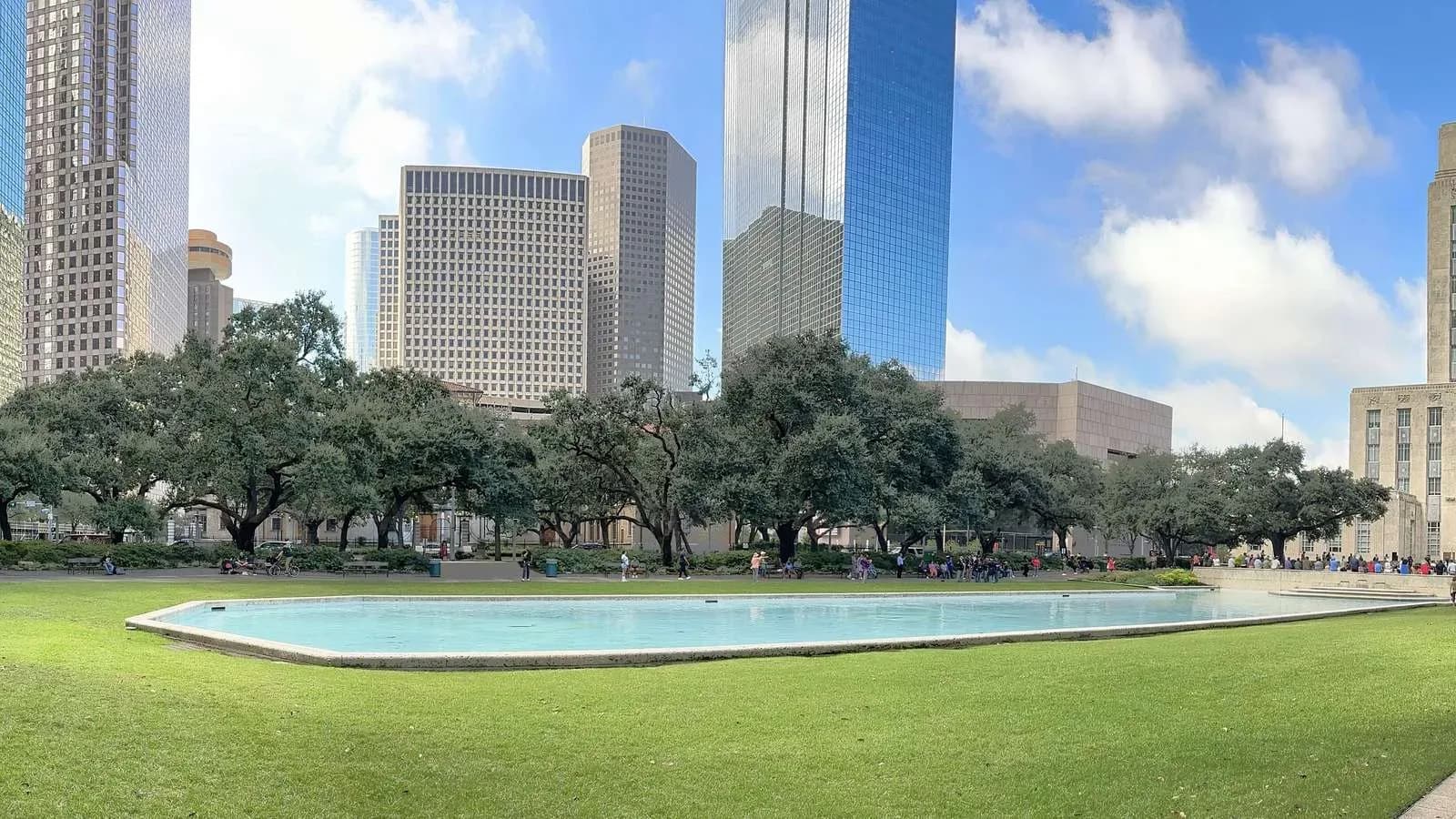
Houston police will no longer call Immigration and Customs Enforcement during a routine traffic stop just because a driver turns up with an administrative immigration warrant. Mayor John Whitmire signed an executive order Friday, and he said plainly why now.
"I do this to begin a healing process — reduce fear and anxiety across our community," Whitmire said at a Friday news conference, according to The Texas Tribune. "I also do this knowing that elections matter."
That last line is the story. Three days after Democrats swept the statewide ballot and Gov.-elect Gina Hinojosa ousted Gov. Greg Abbott, the mayor of the state's largest city changed a policy he had kept in place under pressure from Abbott only months ago.
What the order does
Under Whitmire's order, the Tribune reported, officers are to contact ICE only when a suspect is arrested for a jailable offense and also has an ICE warrant. A citation for a minor traffic offense will not itself trigger an ICE call over an administrative warrant. Houston Public Media independently reported that officers may not detain people solely on civil immigration warrants and may contact ICE about them only when a person is charged with a jailable offense.
Police Chief J. Noe Diaz said at the same news conference that he agreed with the order. "If our police officers pull someone over for a minor traffic infraction and they write a citation, that person receives the citation and goes about their day," Diaz said. "HPD will no longer contact ICE if they have an administrative warrant and they are not arrested."
The distinction matters. The Tribune explained that administrative ICE warrants are issued by immigration officials, not signed by judges, and often identify people with civil violations such as outstanding deportation orders. After President Donald Trump returned to the White House, the Tribune reported, his administration added more than 700,000 of those administrative warrants to a national criminal database that local police use. Houston police leaders had told officers to contact ICE when they found one.
Nothing in the order, as reported, stops officers from contacting ICE about someone arrested on a jailable charge who has an ICE warrant.
How Houston got here
This fight is not new. In April, the Tribune reported, the Houston City Council adopted an ordinance ending a policy that required officers to wait 30 minutes for ICE agents to arrive at traffic stops. Abbott answered by threatening to withdraw roughly $110 million in state public safety grants. He argued the ordinance violated Senate Bill 4, the 2017 state law restricting local policies that limit cooperation with federal immigration authorities. This is the 2017 cooperation law, not the separate 2023 border-arrest law also called SB 4.
The council then revised the ordinance. Houston police issued new instructions requiring officers to contact ICE when they encountered someone with an administrative immigration warrant and to wait a "reasonable" amount of time for agents to take custody, according to the Tribune. As a state lawmaker, Whitmire voted against SB 4.
Abbott's office did not immediately respond to the Tribune's request for comment Friday. Abbott remains governor until Hinojosa is sworn in, and SB 4 remains state law. Whether the governor's office, the outgoing attorney general or the courts test Friday's order against that law in the weeks left before January is the question to watch.
Houston is not alone. In Austin, the Tribune reported, Mayor Kirk Watson on Friday asked the police chief and city manager to revise the city's policy on ICE warrants after facing similar pressure from Abbott.
Critics on both sides
Houston Controller Chris Hollins, who had pushed police to stop cooperating with ICE, called Whitmire's move "a promising first step" but said the mayor waited too long. "ICE killing a man in our city and running over another wasn't enough to move the mayor," Hollins said in a statement quoted by the Tribune. "I'm glad an election was."
Hollins was referring in part to the July 7 fatal shooting of Lorenzo Salgado Araujo by an immigration agent, which the Tribune reported is under investigation by local prosecutors.
Conservatives will hear "elections matter" differently. If the law did not change on Tuesday, a policy should not change on Friday just because the political weather did. SB 4 was passed by the Legislature and signed into law. A mayor who believes it is wrong should say so and ask lawmakers to change it, and explain how his order complies with existing law. The reporting reviewed here does not establish that Friday’s order violates SB 4; that is a legal question, not an election-night inference.
What should guide Texans
Two things are true at once, and Christians ought to be able to hold both.
First, the law deserves respect. Romans 13 teaches that the civil ruler "beareth not the sword in vain." A government should explain its legal authority rather than treating an election as permission to disregard a statute. Illegal entry is a violation of law, but an administrative warrant is not a judicial finding of a criminal offense. Deportation orders issued through due process deserve lawful enforcement.
Second, the people stopped for a broken taillight are made in the image of God. Fear that keeps a mother from calling police when her home is broken into does not make a city safer. There is a real debate over whether local traffic stops are the right place to enforce civil immigration orders, and honest Texans can land on different sides of it.
What Texans should not accept is enforcement that swings with the party in power. The Legislature that convenes in January will have a Democratic House, a Republican Senate and a Democratic governor. If SB 4 is going to change, it should change there, in the open, by vote. Until then it is the law of Texas, in Houston and everywhere else.
For more on what the new statewide officials can and cannot change on border enforcement, see our earlier report, Texas Spent $11 Billion on Operation Lone Star. Hinojosa Can Review It.