

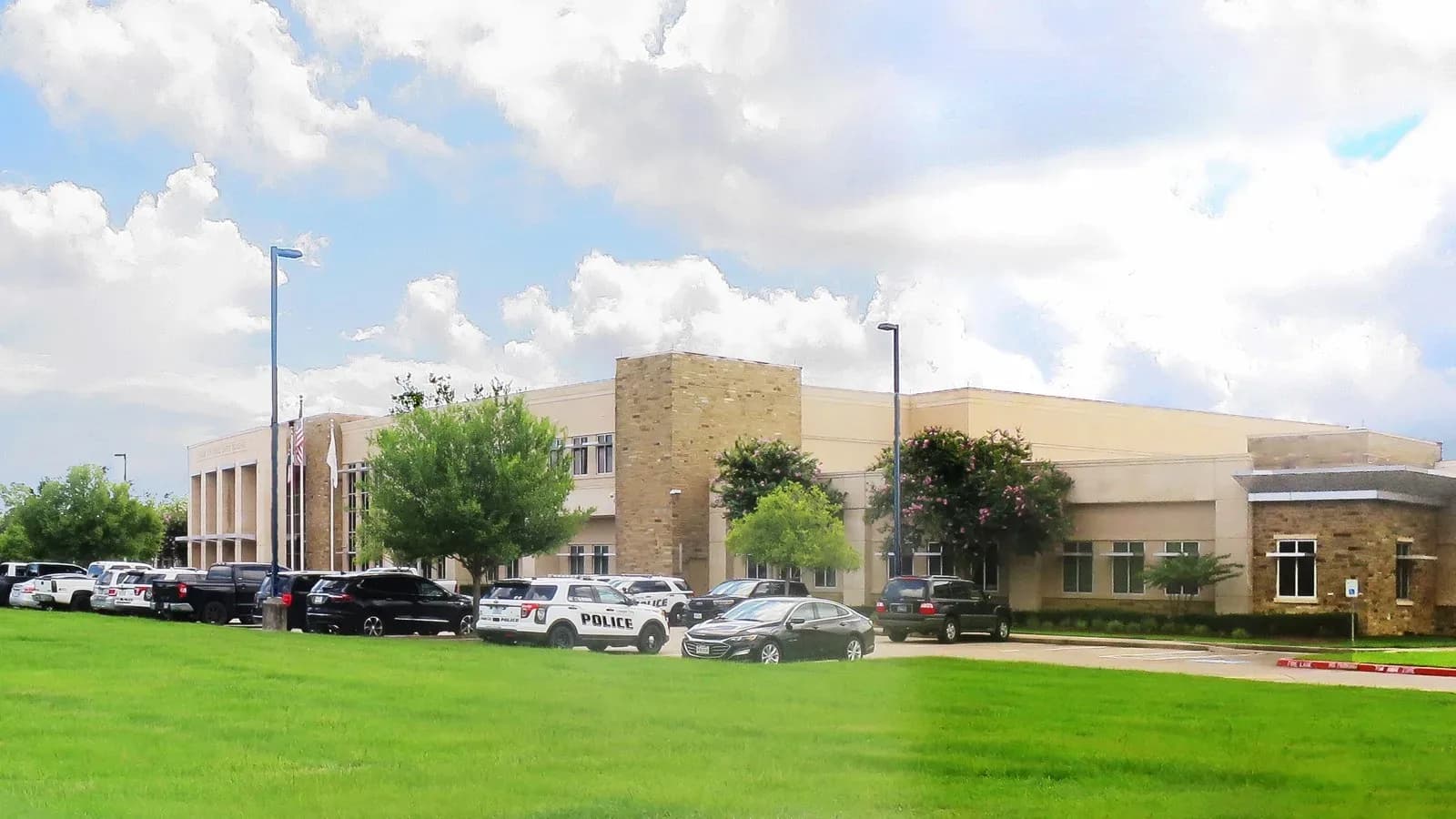
League City Voters Decide Whether Police Keep 55 Flock Cameras
League City is the first Texas city to ask voters about license plate cameras. The vote is non-binding, but the council says it will pull all 55 if voters say no.
This is a preview. League City votes Nov. 3, and no results are in yet.
League City voters will be asked on Nov. 3 whether their police department should keep using its license plate reader cameras. According to Mayor Nick Long, it is the first city in Texas to put that question to voters.
The question is technically non-binding, but the council has committed to act on a no vote. On Oct. 13 the council voted unanimously to remove all 55 Flock Safety cameras if voters say no, Community Impact reported.
"Let me preface this by saying, I support the cameras," council member Andy Mann said at that meeting. "Having said that, if the citizens don't want them, we are going to rip them out of the ground."
What is on the ballot
According to city documents and City Attorney Michelle Villarreal, as reported in August, the proposition reads:
"As a non-binding statement of voter preference, should the League City Police Department continue using automated license plate reader cameras at fixed locations on public roadways for law enforcement purposes?"
The council voted 6-1 on Aug. 11 to call the special election. It will be held with the Nov. 3 general election.
How the cameras work
According to Community Impact's reporting:
The police department began using Flock cameras in December 2022.
The city now has 55 of them.
Police officials say the cameras have helped in more than 300 criminal investigations.
The cameras record the plates of vehicles driving away from them.
Scanned plates are deleted automatically after 30 days.
Police share the data with the FBI, but a department social media post says they do not share it with the U.S. Border Patrol or Immigration and Customs Enforcement.
Both sides
At the August meeting, resident Aiden Gimbal called the cameras a "city-backed expansion of surveillance into neighborhoods." Whitney Rasberry, a criminal prosecutor, said she had seen Flock help solve "everything from capital murders, hit-and-run fatalities of police officers, child abductions and so much more."
Council member Chad Tressler voted against calling the election. "I don't believe this is a proper use of a referendum," he said. "We do live in a republic, not a direct democracy." Council member Courtney Chadwell voted for it. He said he generally opposes governing by referendum but felt that ignoring residents' privacy concerns could undermine public trust.
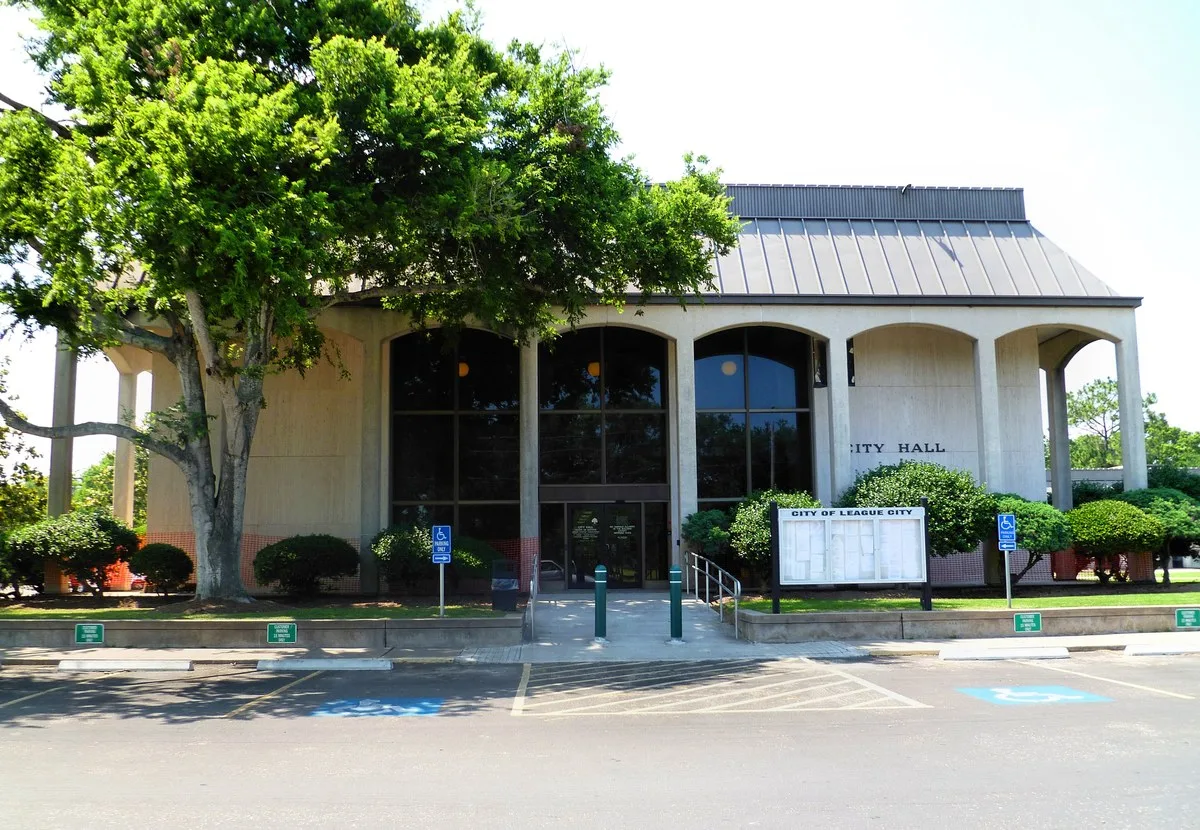
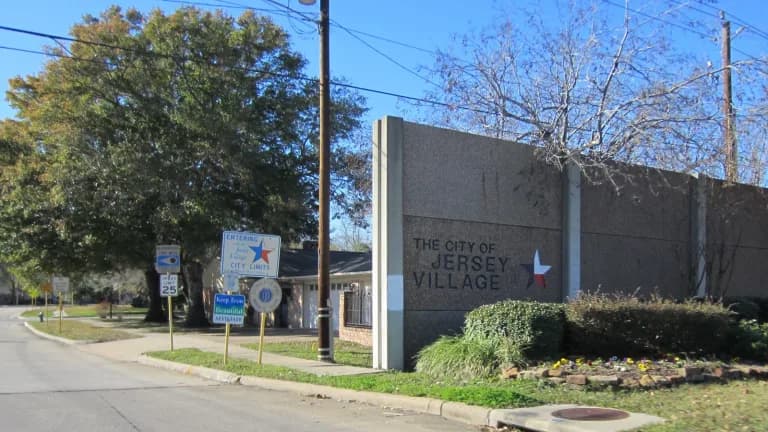
League City City Hall in 2010. Photo: Nsaum75 / Wikimedia Commons, CC BY-SA 3.0.
The candidates weigh in
The cameras also came up at an Oct. 14 forum hosted by the League City Regional Chamber of Commerce, Community Impact reported. Voters are choosing a mayor and five council seats on the same ballot.
Supporters: Gordon Bethel, Robert Bruce, Dinah Carpenter, Sean Doyle, Seth Rowlands and Sean Saunders said they support the cameras. Bruce, Carpenter, Doyle, Rowlands and Saunders also said they would respect the referendum result. Rowlands, who said he spent years as a major crimes detective, called the cameras one of the greatest investigative tools to come along in years.
Opponents: Julius Segelquist, Gregory Van Etten, Teresa Potter and Dina Driskill said they oppose the cameras. "I take a very principled stance against Flock," Segelquist said.
Undecided: Lisa Welty said she first supported the cameras but is now open to discussing privacy risks.
In the mayor's race, incumbent Nick Long faces council member Tom Crews.
Our view
Whatever you think of the cameras, League City handled this the right way. People were worried, and the council let them speak at the ballot box instead of shrugging them off.
Keeping criminals off the streets and keeping government out of law-abiding people's business are both good aims. Voters will have to weigh one against the other. The council has promised to pull the cameras if voters say no, and it should keep that promise.
Early voting ends Oct. 30. Election Day is Nov. 3.
Other Texas cities are working through the same question. Read how Odessa is weighing the privacy cost and why the state comptroller barred his grants from paying for Flock cameras.
More Politics & Government Stories
 Today
Hegseth Fires the Pentagon's Top Planner Over Alleged Leaks. A Wartime Leak Is Betrayal, but an Accusation Is Not a Verdict.
 Today
Texas Finally Opened the Home Insurance Files and Our ZIP Codes Tell a Complicated Story
 Today