

Pentagon Plans for Bases to Run 90 Days Without the Grid. Preparing Is Wise, but Show Taxpayers the Bill.
The Pentagon's FORTRESS initiative aims to keep major U.S. bases running for 90 days if war knocks out the grid and supply chains. Here is what is confirmed and what is not.
The facts come first below. My opinion follows in the section marked as opinion.
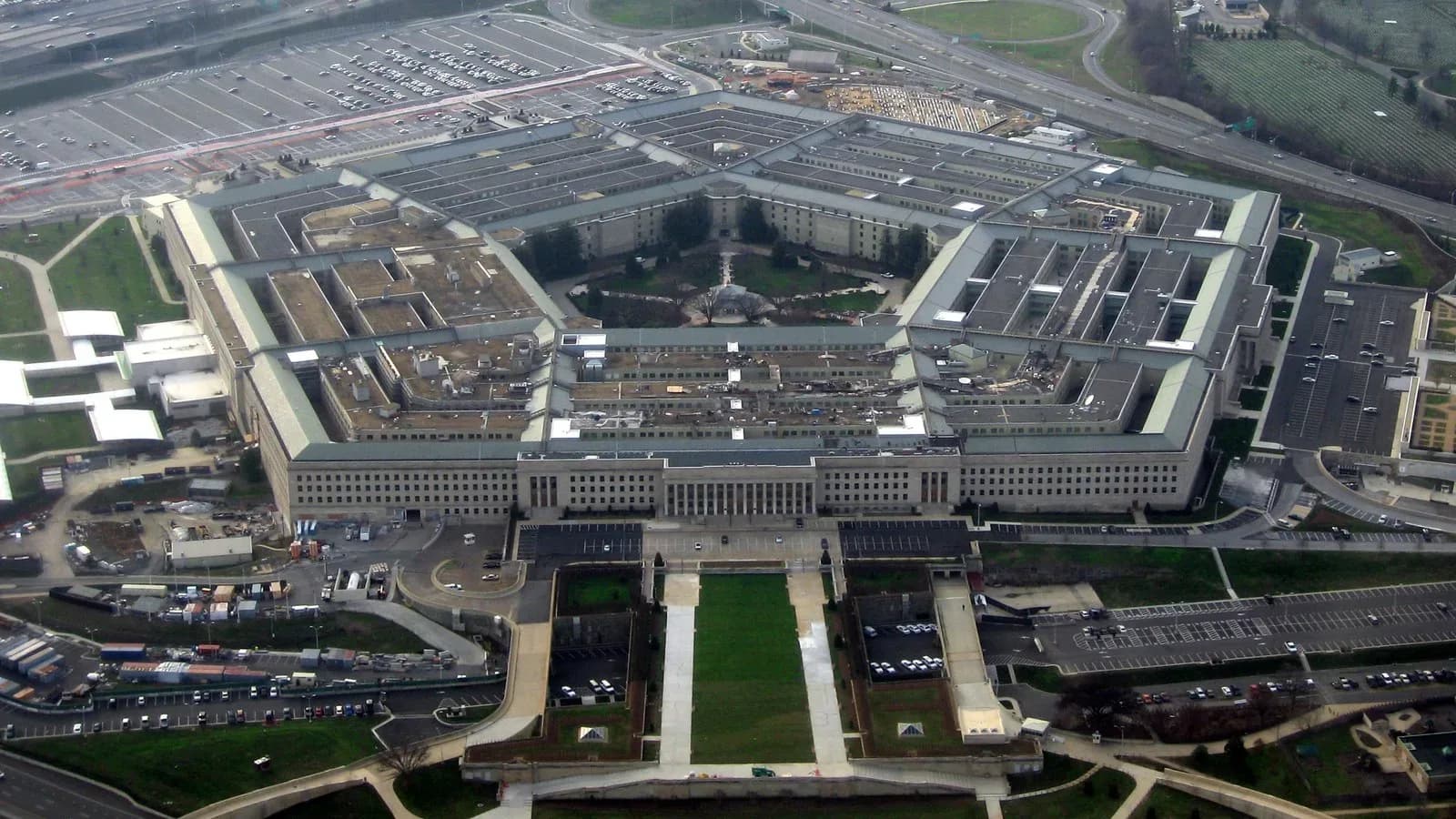
The Pentagon is preparing America's military bases to keep running for at least 90 days if a war cuts them off from the civilian power grid, fuel and supply lines, according to planning documents first reported by Fox News Digital. The plan is part of an initiative called FORTRESS, short for Federal Operations for Resilience, Troop Resources, Energy, Supply, and Survivability.
"Under FORTRESS, every major military installation in the continental United States would be expected to sustain essential operations independently for at least 90 days, including access to electricity, water, fuel and communications," Fox News reported on Oct. 25, citing documents it reviewed. Pentagon chief spokesperson Sean Parnell, who Fox said led the initiative, told the outlet, "We don't want to rely on standard civilian municipal infrastructure to run our national defense. We just simply can't. It's an intolerable risk."
Where the plan came from
Defense Secretary Pete Hegseth announced FORTRESS in a Sept. 30 speech at Quantico, Virginia. "Every major military installation in America is going to generate its own power independent of the civilian grid. If an adversary takes down the grid by cyber attack, by sabotage or by any means, our bases stay lit," he said, according to a transcript excerpt published by Snopes.
Days later, the Pentagon's acquisition chief began setting up an office to carry it out. Under Secretary of Defense for Acquisition and Sustainment Michael Duffey named Richard "Matt" O'Malley interim director of a FORTRESS America Program Office in a memo dated Oct. 6, DefenseScoop reported. The memo listed five pillars: space and spectrum resilience, installation hardening and cyber resilience, energy independence, supply chain and defense industrial base resilience, and a strategic defense reserve.
According to Fox, the plan envisions portable nuclear reactors, large-scale battery storage and microgrids that can disconnect bases from the civilian grid. It also calls for strategic reserves of munitions, fuel, critical minerals, electronics, spare parts and medical supplies, and at least two qualified supply or production pathways for the military's most critical needs. Through an existing program called the Civil Reserve Manufacturing Network, the Pentagon plans to identify commercial factories that could switch to defense production in a crisis.
What is confirmed and what is not
The initiative itself is official. The 90-day figure, so far, rests on the documents Fox reviewed. Snopes rated online claims about the 90-day requirement "mostly true," noting that Parnell shared the Fox report on X but "has not confirmed the 90-day requirement." Snopes said it had asked the Defense Department for confirmation and was awaiting a reply.
No public price tag or timeline has been released. Fortune, citing Air & Space Forces Magazine, reported that a senior defense official told reporters on Oct. 20 that officials are still assessing the needs of roughly 500 bases in the continental U.S. and that fully meeting the goal could take decades. The magazine estimated the cost could run into the tens of billions of dollars, if not hundreds of billions. Fortune also noted that the Army announced up to $2.2 billion in awards in August to build nuclear microreactors at five bases, including Fort Bragg and Fort Hood.
The threat is not hypothetical. In a February 2024 joint advisory, federal security agencies warned that Chinese state-sponsored hackers known as Volt Typhoon had compromised networks in the communications, energy, transportation and water sectors, Fortune reported.
Opinion: Preparing is wise, but taxpayers deserve the bill and the timeline
A nation that cannot keep its own bases lit is a nation that invites attack. Parnell is right that the old assumption of two oceans as a moat is gone, and right that power is now part of the fight. Anyone who has lived through a long outage knows how quickly ordinary life stops when the electricity does, and demand on the grid keeps growing, as we reported in Texas Set a September Power Record as ERCOT Demand Keeps Climbing.
Scripture commends this kind of foresight. Solomon pointed to the ant, which "provideth her meat in the summer, and gathereth her food in the harvest." Storing up before the storm is not fear. It is stewardship.
But stewardship cuts both ways. A program that could cost hundreds of billions of dollars and take decades, by the estimate Fortune cited, should not be unveiled to the public through a single outlet's look at internal documents. The department should confirm the 90-day standard on the record, publish what it can without helping our enemies, and send Congress a budget it can vote on. Defense hawks should want that most of all, because programs built on announcements tend to die when the next administration arrives.
There is one more lesson, and it is closer to home. If the military plans for 90 days without the grid, families should at least plan for a few. Keep water, food, medicine and a radio on hand, and check on the elderly neighbor down the road. A strong country is built from prepared households, not just hardened bases.
More Politics & Government Stories
 Today
Past Democratic Primary Voters Edge Republicans in Texas Early Vote. 2.1 Million GOP Regulars Have Not Shown Up Yet
 Today
University Park Voters Weigh a Tax Increase for Four Officers and Two Firefighters
 Today