

Police in Guinea-Bissau Raid the Vaccine Researchers RFK Jr. Praised. Washington Should Not Pay to Withhold Shots From Newborns.
Guinea-Bissau police searched the offices of researchers praised by RFK Jr. and seized hepatitis B vaccines, amid a dispute over a CDC-funded newborn study.
The facts come first below. My opinion follows in the section marked as opinion.
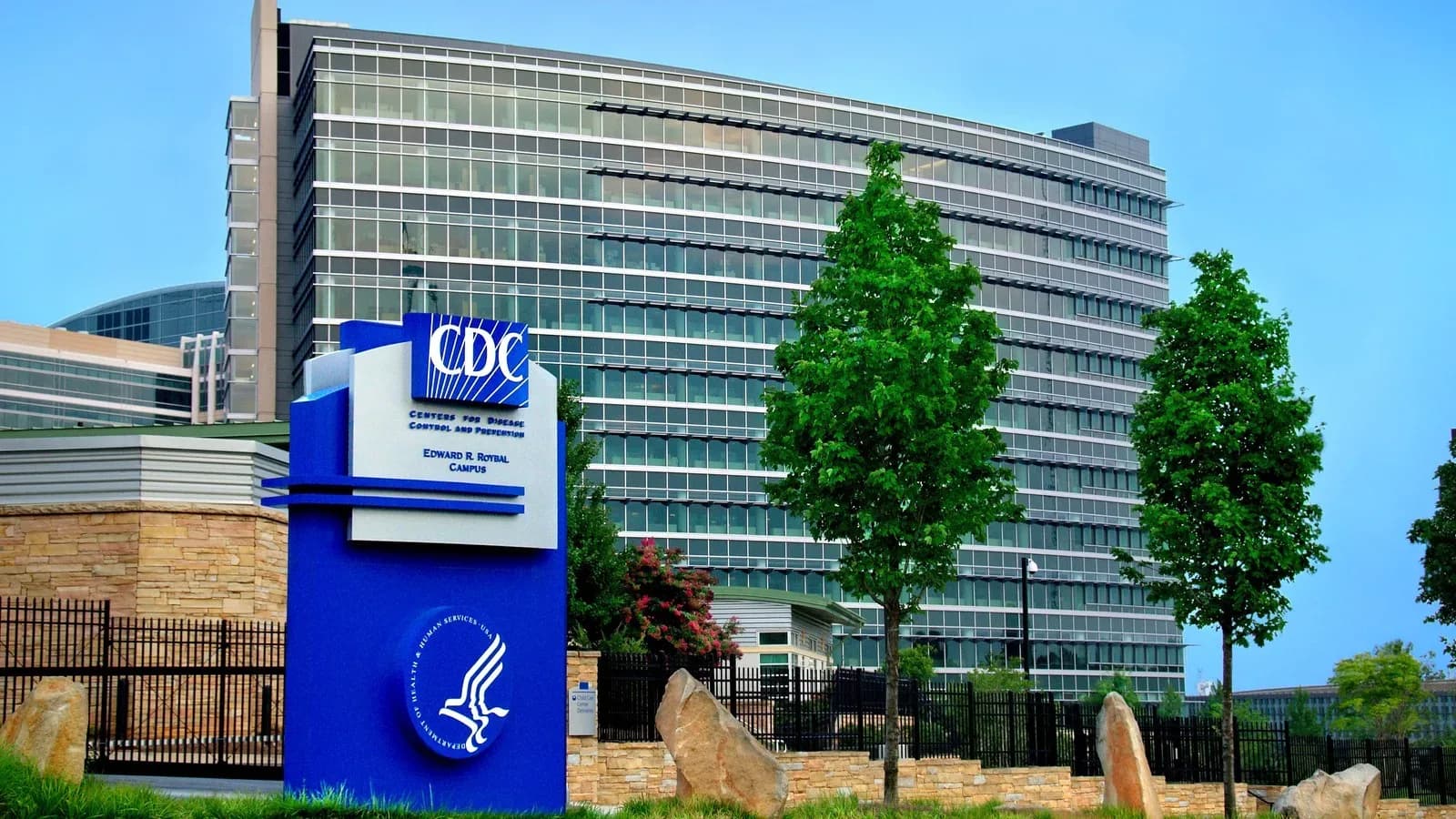
Judicial police in Guinea-Bissau searched the offices of the Bandim Health Project on Monday and seized doses of hepatitis B vaccine, the Guardian reported. The Danish-led research group is at the center of a dispute over a planned study of African newborns that is supported by $1.6 million from the U.S. Centers for Disease Control and Prevention, matched by two private foundations for a total of $3.2 million.
The group's leaders have been repeatedly praised by Health and Human Services Secretary Robert F. Kennedy Jr. Ars Technica reported that the CDC, under Kennedy, announced in December that it had awarded the researchers an unsolicited $1.6 million grant to run the trial.
What the police said
In a Facebook post translated from Portuguese, the judicial police said they carried out a "search operation at the facilities of the Bandim Health Project in Bissau, which culminated in the seizure of a batch of hepatitis B vaccines intended for vaccination of children in the country." The police also cautioned that "the seizure constitutes an investigative procedure and does not allow, in itself, to conclude the existence of irregularities in the quality, safety, or effectiveness of the vaccines," according to Ars Technica.
The study at issue
The study was redesigned over the summer, but it would still deny hepatitis B vaccines to 7,000 newborns in the first six weeks of life, in a country where about one in five adults have the virus, the Guardian reported. Hepatitis B kills 15% to 25% of people with chronic infections, and vaccination within 24 hours of birth is safe and highly effective, the paper reported.
A World Health Organization spokesperson, Tarik Jašarević, said any study that would deny the vaccine to participants was "unethical and exposes newborns to serious and potentially irreversible harm," according to the Guardian.
Ars Technica reported that, for now, the trial is not moving forward. Guinea-Bissau's health minister, Quinhin Nantote, told the Guardian, "This is not even remotely true," when asked about reports that it would proceed. Ars Technica reported that plans for the trial were halted in January amid widespread condemnation, and that the minister confirmed last week that the government had not authorized it. Nantote said any research involving "human beings, particularly children," must follow national law, international ethical principles and proper approval, as quoted by Ars Technica.
The Bandim group has posted a July 14 approval letter from Guinea-Bissau's national ethics committee, and a Danish research ethics committee approved the study earlier this month, the Guardian reported. Founders Peter Aaby and Christine Stabell Benn, and lead researcher Frederik Schaltz-Buchholzer, did not respond to the Guardian's questions about the trial and the search.
Kennedy has called Aaby and Stabell Benn "the deities of vaccine research," the Guardian reported. He has several times cited their study of the diphtheria-tetanus-pertussis vaccine, though the same researchers later ran it again and found completely different results, according to the Guardian.
Opinion: Protect the babies first
Asking hard questions about vaccine safety is not wrong. Parents deserve honest answers, and federal health officials should welcome research that tests what we think we know. Many Americans share that desire, and they are not wrong to.
But honest research has limits, and the first limit is the life of the child. This study would withhold a vaccine that is safe and effective at birth from 7,000 newborns, in a country where about one in five adults carry the virus and where chronic infection kills 15% to 25% of those who have it. Those are the Guardian's numbers, and they are sobering. The babies in that trial cannot consent. Their parents live in a nation where, as one American researcher told the Guardian, a "lack of public health infrastructure" leaves people with few choices.
Christians have always believed that the weakest among us deserve the most protection. Jesus said, "Take heed that ye despise not one of these little ones." Scripture tells us to "open thy mouth for the dumb in the cause of all such as are appointed to destruction." A newborn in Bissau has no voice in a Danish ethics committee or a CDC grant office.
The police in Guinea-Bissau stressed that their seizure proves nothing yet about the vaccines themselves, and that caution is fair. No one should prejudge the investigation. But no investigation is needed to settle whether American taxpayers should help pay for a study the WHO calls unethical and the host country's own health minister says has not been authorized. The CDC should withdraw its $1.6 million and let that be the end of it.
Federal health regulators make hard calls on many fronts, as our story Kratom and 7-OH: What Texas Law Allows and What Feds Want to Ban showed. This one is not hard. Protect the babies first.
More Politics & Government Stories
 Today
Lake Dallas Set to Rebuild Carlisle Drive With $3.7 Million From Denton County
 Today
Texas Counties Set Day One Early Voting Records. Here Is What the Numbers Can and Cannot Tell You
 Yesterday