Senate Passes Muhammad Ali Boxing Revival Bill by Unanimous Consent
The Senate on Thursday passed a Cruz-Rosen substitute to the Muhammad Ali American Boxing Revival Act, sending the amended House bill back to the House. The bill is not yet law.
The facts come first below. My opinion follows in the section marked as opinion.
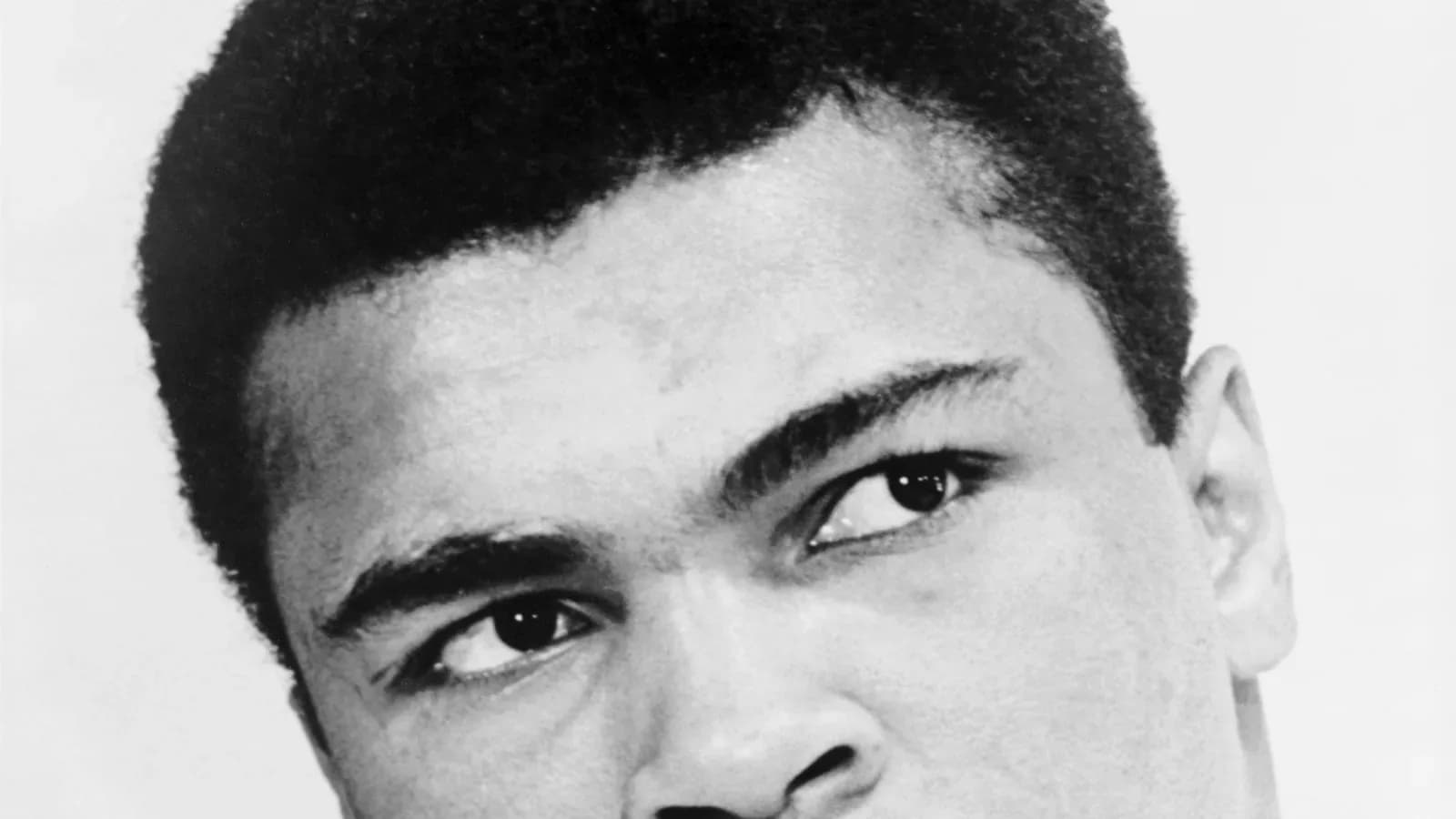
The Senate on Thursday passed the Muhammad Ali American Boxing Revival Act of 2026 by unanimous consent, with a substitute amendment, and sent the measure back to the House. The Senate Daily Press for Nov. 19 records that at 3:34 p.m. Eastern, Senator Kirsten Gillibrand "achieved unanimous consent to pass" H.R. 4624, "Muhammad Ali American Boxing Revival Act of 2026, with the Cruz/Rosen substitute amendment."
The Senate Commerce Committee, in a release that day from Chairman Ted Cruz, R-Texas, and Sen. Jacky Rosen, D-Nev., said "the U.S. Senate unanimously passed the Muhammad Ali American Boxing Revival Act," legislation they sponsored, and that "the legislation now goes back to the House of Representatives." The release said the House "is expected to pass it quickly and send it to President Trump for his signature." That is the committee's expectation, not a House vote, and the bill is not law.
Upon passage, Cruz said: "We're going to make boxing great again with the bipartisan Muhammad Ali American Boxing Revival Act. The bill expands opportunities for fighters, strengthens safety protections, and brings back the marquee matchups fans love. I hope the House quickly sends this bill to the President's desk and delivers a knockout win for fighters and fans." Rosen said: "Las Vegas is the center of the boxing universe, and when boxing thrives, more visitors come to Nevada and help boost our economy. I've proudly worked on this bill with Chairman Cruz and numerous stakeholders – including Muhammad Ali's grandson Nico Ali Walsh – in order to revitalize this great sport and make important reforms to protect boxers. I'm thrilled to see our bipartisan legislation pass the Senate today, and I'm hopeful that the House will quickly pass it as well."
The committee said the bill has the support of Lonnie Ali and Nico Ali Walsh, "Muhammad Ali's widow and grandson, respectively." It also said the measure would "remove legal barriers to allow voluntary, league-style Unified Boxing Organizations (UBOs) to compete alongside traditional promoters" and would "strengthen fighter protections and safety standards."
The Senate-engrossed substitute, posted by the Government Publishing Office, gives the short title as the "Muhammad Ali American Boxing Revival Act of 2026." Its stated purposes are to give professional boxers "increased choice and opportunity" by allowing a boxer "to choose to participate in the alternative system offered by a unified boxing organization," and "to further enhance safety precautions that protect the well-being of professional boxers." A unified boxing organization is defined as a private-sector association, league, or centralized industry organization that organizes professional matches under unified rules among boxers under contract with that organization, and that implements a system for title belts.
Under the substitute, a contract between a unified boxing organization and a boxer "may not exceed 4 years," except that a contract that "constitutes the first professional promotional agreement of the boxer shall not exceed 3 years." Contracts must specify a minimum payment "not less than $200 per round scheduled," and in each 12-month period the organization must offer the boxer, in good faith, "not fewer than 2 covered matches," or else pay a stated minimum alternative, with an exception when injury or other listed causes prevent a fight.
The substitute also conditions certification on safety and medical requirements. A unified boxing organization must provide at least one additional ambulance, beyond the ambulance already required, "to be continuously present on site at a covered match," and at least one additional licensed physician "to be continuously present at ringside." It must have "a comprehensive anti-doping program that includes testing," plus medical coverage for injuries sustained during the period of training for a covered match and access to training and rehabilitation equipment "at reasonable costs proximate to where the boxer resides."
Because the Senate changed the House-passed text, the two chambers must still agree on a single version before the bill can be presented to the president. The 119th Congress ends in early January. The boxing bill is a separate matter from other lame-duck legislation reported in Dock Line, including the Senate Passes Energy Permitting Overhaul Bill, 62-33.
Opinion:
Professional boxers take the blows, and they should not be an afterthought in a sport built on their courage and their bodies. A bill that tightens medical coverage, puts another ambulance and another physician at the fight, and limits how long a first promotional contract can last is aimed at the right target, even if the House still has to act and the final text is not yet settled.
Congress should not pretend that passing a substitute is the same as writing a law. The Senate did its part on Thursday. The House has to read the revised text, vote it up or down, or send it back. Fighters and fans can reasonably hope for a clean finish before this Congress ends. They should not be told the work is already done.
The Ali name on the bill is a reminder, not a decoration. The late champion's widow and grandson are cited as supporters of this Senate version. That does not settle every argument about how promotions should be organized. It does mean the people closest to the name were willing to stand with a version that, on the page, puts contracts, pay floors, and medical care in writing. The House should take that seriously.