Some Republicans Now Want to End Trump's Tariff War. Voters Deserve to Know Why.
Michigan Senate nominee Mike Rogers and Sen. Susan Collins are among Republicans splitting with Trump on tariffs, as GOP ads mentioning Trump drop to 4.3%.
Less than three weeks before the midterms, some Republicans in the closest races have found a new message: end the tariff war. They rarely say whose war it is.
Sen. Susan Collins of Maine and former Rep. Mike Rogers of Michigan are among the Republican candidates who have split from President Trump on tariffs, NBC News reported Thursday, as battleground candidates try to distance themselves from one of his signature policies.
The Michigan turn
Rogers, the GOP Senate nominee in Michigan, is the clearest example. "Here in Michigan, we know that Canada is not our enemy," he says in an ad released Oct. 7, beer bottle in hand. "We need to end this tariff war now." The ad never mentions Trump, CNBC reported. CNN also reported that the 30-second spot leaves out Trump's name, and called it the most outspoken Rogers has been against the tariffs. In August, CNN noted, he had called tariffs "necessary, but are not a one-size-fits-all solution."
It is a sharp reversal. Rogers said as recently as September that "Trump is right to put America first" with tariffs, and called them "necessary" in late August, according to CNBC. He has also shifted on the war with Iran. He first called Trump's decision to strike Iran "the right thing to do," then by late September ran an ad calling for a quick end to the war because "Michigan families are struggling with the price of everyday life."
The economics explain the pressure. After talks collapsed in August, the U.S. imposed 50% tariffs on roughly $20 billion of Canadian goods, and Canada retaliated, CNBC reported; CNN gave the same figures. Canada is Michigan's top export market, buying $23.2 billion in goods last year. A September Glengariff Group poll for WDIV and The Detroit News found 64.2% of likely Michigan voters opposed the Canadian tariffs.
Rogers faces Democrat Abdul El-Sayed in a race the Cook Political Report rates a toss-up. His campaign did not respond to CNBC's questions about his shifts.
Trump disappears from the ads
Rogers is not alone. Only 57 of 1,324 Republican candidate ads in the general election period mention Trump, or 4.3%, down from 47.1% during the primaries, according to a CNBC analysis of AdImpact data. Democrats mention him in 20.9% of their general election ads.
"Republicans needed to toe the Trump line to win the base in the primaries, but they need independence to survive November," Republican strategist Ron Bonjean told CNBC. He also warned that the timing could backfire: "Suddenly flipping your positions on Trump in the final weeks looks to a lot of people more like self-preservation than an authentic conversion."
Dock Line noted earlier this week that Republicans are pulling back from House battlegrounds. The tariff retreat is part of the same picture.
Convictions, not weather vanes
There is an honest case against these tariffs. Many conservatives have long championed free trade, and many still believe that taxing imports from a friendly neighbor raises prices for American families and hurts the farmers and factory workers it claims to help. A Republican who holds that view should say so.
There is also an honest case for tariffs. Some conservatives believe trade pressure protects American industry and national security. A Republican who holds that view should defend it, even when it is unpopular.
What voters should not have to accept is a candidate who held one view in August and the opposite in October, with no explanation beyond the polls. Voters can forgive a change of mind. Most people respect a leader who says, "I was wrong, and here is why." What wears down trust is a change that arrives right on schedule with the campaign calendar and never names the reason.
"A double minded man is unstable in all his ways," James wrote (James 1:8). Jesus put it even more simply: "Let your communication be, Yea, yea; Nay, nay" (Matthew 5:37). A yes that becomes a no every time the wind shifts is not really an answer.
Families in Michigan paying more for diesel and groceries deserve candidates who will tell them plainly what they believe about tariffs, what they told the White House and what they will do in January. That goes for both parties. If Rogers has truly concluded the tariff war is hurting Michigan, the strongest thing he could do is say so out loud, name the policy and explain why he changed his mind.
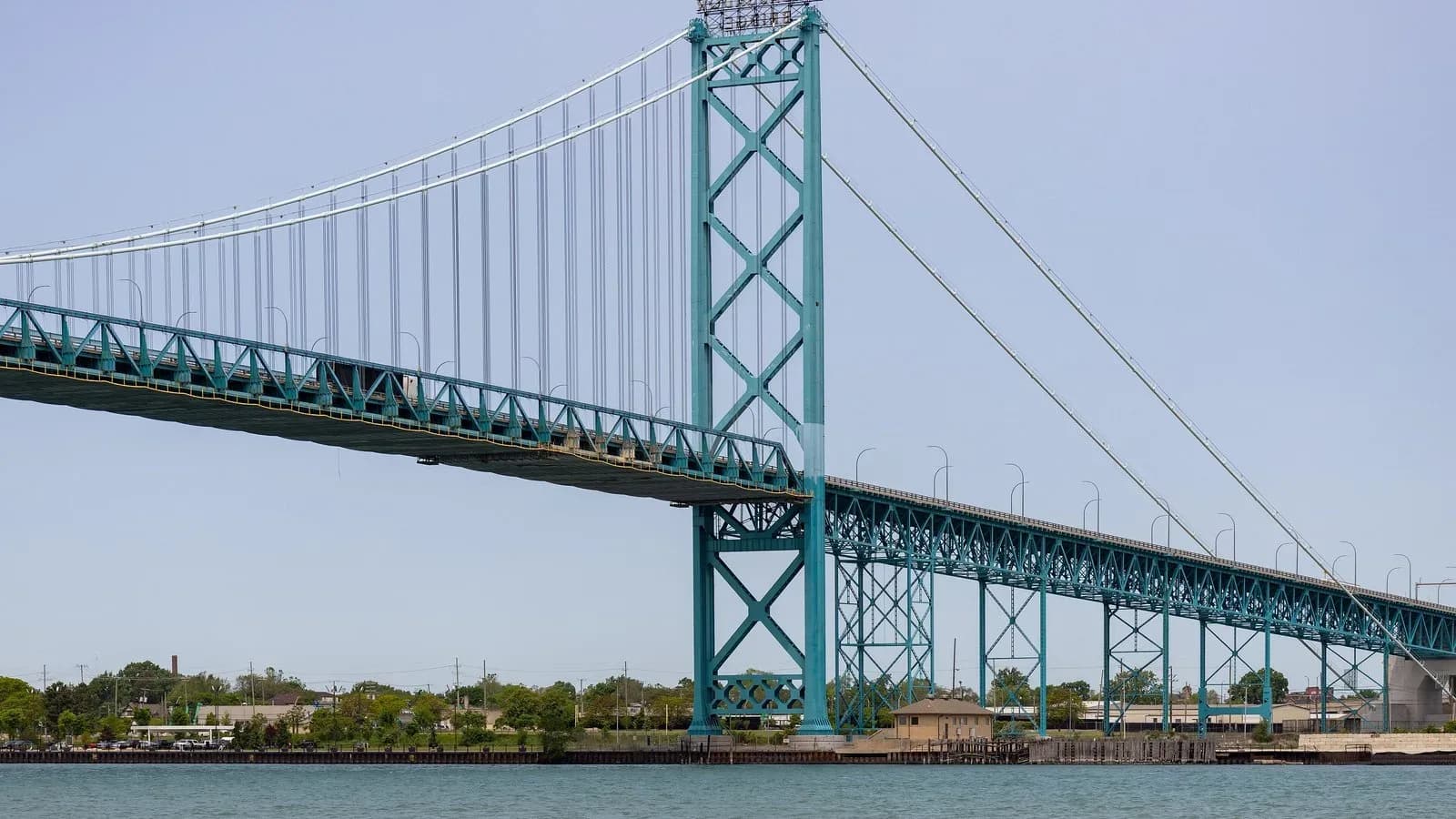
Hero photo: Crisco 1492 via Wikimedia Commons, CC BY-SA 4.0, cropped and resized.