Do We Ever Really Own Anything?
The payments may end, but the taxes, fees, rules—and consequences—do not.
Of all the things people claim to own, land may be the most convincing.
We survey it, fence it, build on it, plant trees, improve it, and place our name on a deed. We may spend an entire lifetime calling it ours.
Then one day, someone else owns it.
The land never moved. Only the name on the paperwork changed.
That raises a question most of us rarely stop long enough to ask:
Do we ever really own anything?
A house may be paid off, but the property-tax bill still arrives. A car may have made its final loan payment, but registration, insurance, repairs, and rules remain. A movie, book, or piece of software may display a BUY button, yet what we purchased may be little more than permission to keep using it while an account, platform, and company continue to exist.
Modern ownership often comes with fine print, continuing obligations, and a surprising number of people who would like to be paid before we can fully enjoy what is supposedly ours.

The title says you own the vehicle. The dashboard may still be negotiating.
And land—the thing that feels most permanent—may carry an even more uncomfortable truth. The person holding the deed for a few decades can make decisions that change the ground for centuries.
The House Is Paid Off. Congratulations. Here Come the Bills.
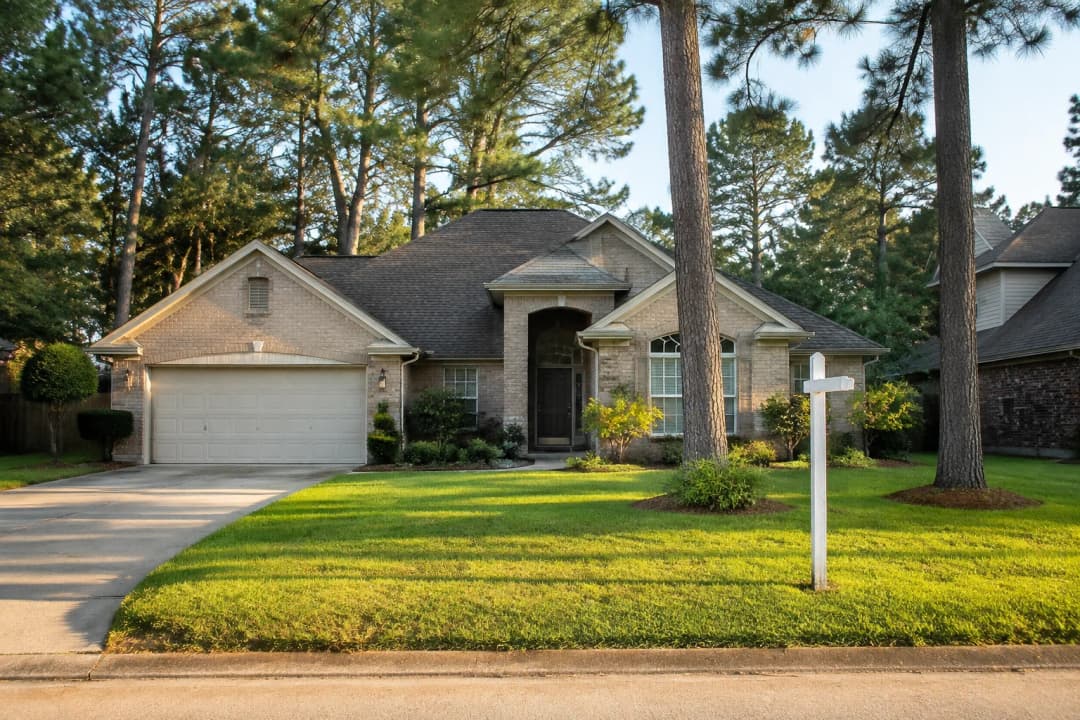
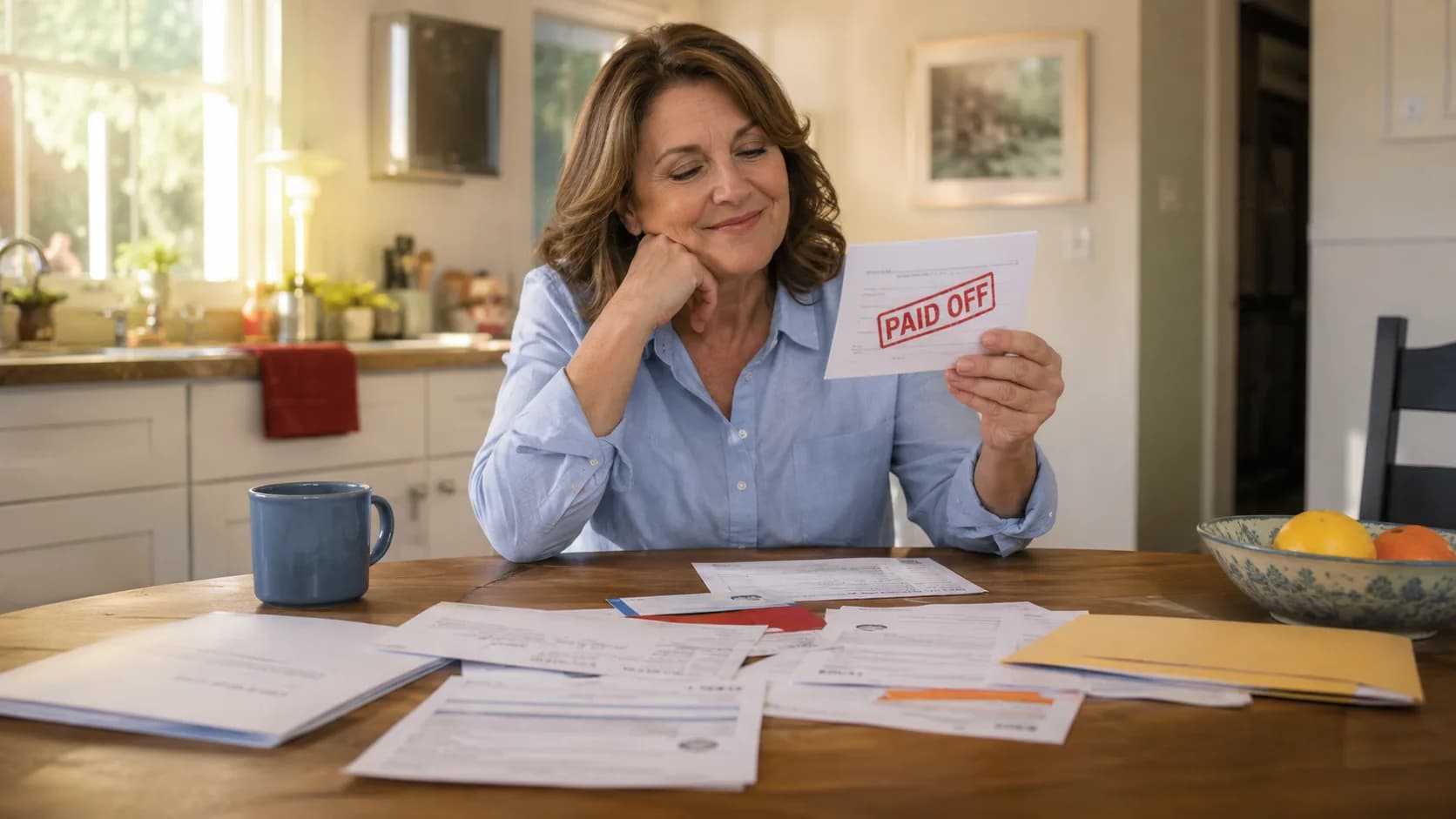
Paying off a mortgage is a genuine achievement. For many families, it represents decades of work, sacrifice, and monthly payments that seemed determined to outlive everyone involved.
Then the final payment clears.
The bank steps away.
The house is yours.
And almost immediately, the property-tax bill, homeowners-insurance renewal, utility charges, maintenance costs, association dues, and a water heater with suspicious timing gather outside like relatives who heard you won the lottery.
The Consumer Financial Protection Bureau makes the distinction clearly: property taxes and homeowners insurance are costs of homeownership, not costs of borrowing. They remain whether a mortgage exists or not.
That does not mean the homeowner owns nothing. It means ownership never promised freedom from responsibility.
You may own the walls, roof, and land. But the roof still wears out. The county still assesses the property. Local rules still govern what may be built, removed, rented, or changed. If the property sits in an association, another set of rules may arrive in an envelope containing several bold words and no visible sense of humor.
The mortgage-burning party marks the day the bank stops owning part of the house. It does not mark the day the house stops sending invoices.

Convenience and ownership are not identical.
The Paid-Off Car That Keeps Asking for Money
A paid-off automobile produces a special kind of happiness.
For one brief shining moment, the vehicle owes nobody anything.
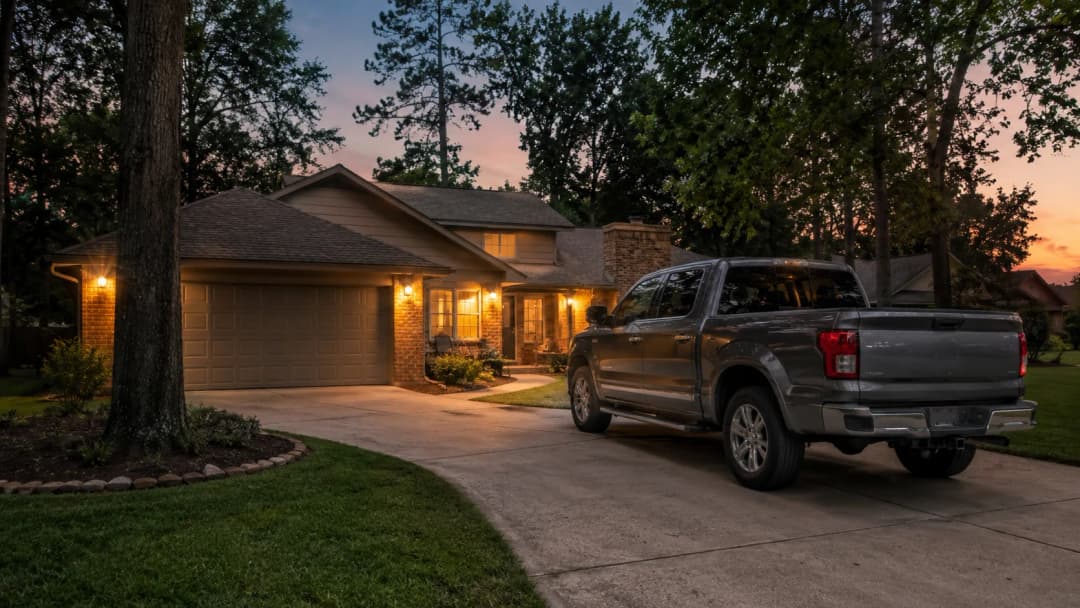
Then the registration notice arrives. The insurance renews. A dashboard light appears that looks inexpensive but is not. Depending on where you live, inspections, local taxes, toll accounts, parking permits, and other requirements may join the procession.
The car belongs to you, but using it on public roads comes with conditions. You cannot simply remove the license plates, cancel everything, and declare that personal ownership has overruled the transportation code.
And newer vehicles add another layer. Connected navigation, remote-start apps, live traffic, security services, entertainment, data plans, and other features may depend on subscriptions or continuing access to the manufacturer’s systems.
The title says you own the vehicle.
The dashboard may still be negotiating.

You may own the land — except for what is under the land.
The Subscription Escaped From the Magazine Rack
There was a time when subscriptions were easy to identify.
You subscribed to a newspaper, a magazine, perhaps cable television, and maybe a service that mailed twelve compact discs you had forgotten to decline.
Then the subscription escaped.
It moved into television, music, software, cloud storage, security cameras, doorbells, exercise equipment, vehicles, photo libraries, and household devices that once appeared perfectly satisfied with electricity.
We now buy products that may require monthly payments to preserve their most useful features. Miss the payment and the device does not necessarily disappear—but some of what made it valuable may quietly stop working.
The smart doorbell may remain attached to the wall while becoming a very expensive peephole with Wi-Fi trauma.
This does not make every subscription dishonest. Many services cost money to maintain, update, secure, and support. The problem begins when the continuing obligation is unclear, difficult to cancel, or hidden behind the emotional excitement of pressing BUY NOW.
A useful rule is simple: before purchasing the product, identify which features remain if every subscription is canceled tomorrow.
That answer may reveal whether you are buying a thing, renting a service, or purchasing a thing that spends the rest of its life trying to sell you the service.
When “Buy” Means “You May Use This for a While”
Physical ownership has its own complications, but digital ownership can become almost philosophical.
Purchase a printed book, and it remains on the shelf until someone borrows it and develops a creative definition of returning things.
Purchase a digital book, movie, song, or game, and continued access may depend on an account, a platform, licensing agreements, software restrictions, and the seller remaining in business.
The Federal Trade Commission has warned consumers that clicking BUY on digital content may provide only a license to access it. The terms may be buried in fine print, access can depend on an active account, and a platform’s licensing problems may eventually become the customer’s problem.
In other words, the button says BUY because LICENSE TEMPORARY ACCESS UNDER CONDITIONS SUBJECT TO CHANGE would not fit as neatly on the screen.
The convenience is real. Digital libraries do not require shelves, moving boxes, or an argument over who scratched the disc.
But convenience and ownership are not identical.
A customer should understand whether the purchase creates a permanent copy, a limited license, or access that can vanish when the company, account, or agreement changes.
The Deed May Not Reach All the Way Down
Land appears simpler because it is physical. It sits beneath our feet, survives software updates, and does not require a password.
But even land ownership can be divided.
In many places, surface rights and mineral rights can belong to different people or entities. The person who owns the home, pasture, trees, and driveway may not own the oil, gas, coal, stone, or other minerals below them. The Bureau of Land Management describes these arrangements as split estates and notes that mineral rights can, in some situations, take precedence over surface rights.
That can produce a strange sentence:
You own the land—except for what is under the land.
Sometimes the split happened generations ago. Mineral interests may have been sold, reserved, inherited, divided, or retained by a government while the surface changed hands repeatedly.
A deed is important, but it may not be the entire story. Anyone making a serious land purchase, mineral agreement, or excavation decision should determine exactly which rights are included and obtain qualified local legal advice. The rules vary widely by state and by the history of the property.
Ownership, it turns out, can have layers.
Temporary Ownership, Permanent Decisions
This is where the article stops being funny for a moment.
A person may hold land for thirty years. A company may control it for ten. A government permit may authorize activity for a defined period.
But mining, drilling, quarrying, timber removal, groundwater pumping, and large-scale earthmoving can change the land far beyond the years of ownership or operation.
The valuable material leaves. The altered ground stays.
Reclamation can stabilize slopes, reshape land, rebuild soil, replant vegetation, treat contaminated water, and return former industrial property to productive use. Those efforts matter and can produce meaningful recovery.
But reclamation does not always mean returning the land to exactly what it was.
The U.S. Geological Survey distinguishes reclamation from full restoration: reclaimed land may be stabilized and support plants and animals again without recreating the exact species mix or original condition. In some mined landscapes, even the contours remain permanently different—mountains lowered, valleys raised, drainage patterns changed.
The Environmental Protection Agency and USGS continue to deal with abandoned and legacy mine lands where waste, acidic drainage, metals, and other contamination can affect soil, water, wildlife, and nearby communities long after extraction ended.
The deed may be temporary, but some decisions made by the person holding it are permanent.
That leads to the harder question:
Does having the legal right to remove something mean we have the wisdom to decide what should remain?
Ownership Is a Bundle, Not a Crown
We often speak about ownership as though it grants absolute power.
Mine.
Yours.
Keep out.
But most ownership is better understood as a collection of rights and responsibilities operating within laws, contracts, taxes, easements, zoning, environmental rules, public needs, and the rights of other people.
A homeowner may possess the right to live in the house, sell it, rent it under certain rules, improve it within permit requirements, and exclude others. That does not create a tiny independent nation with its own zoning department and foreign policy.
A landowner may control the surface while another party owns minerals below it. A digital buyer may control an account while the platform controls the license. A car owner may hold title while the state controls the conditions for using public roads.
Ownership is real.
It is simply less absolute than the word makes it sound.
What Are We Really Buying?
Before purchasing something important, perhaps we should ask a few more questions:
• What exactly becomes mine?
• What continuing payments are required?
• Which features disappear if I stop paying?
• Who controls the account, software, data, mineral rights, access road, or license?
• What rules limit how the property can be used?
• What responsibility remains when the purchase is finished?
• And what condition will this thing—or this land—be in when it passes to someone else?
Those questions do not make ownership less satisfying. They make it more honest.
The goal is not to decide that nothing belongs to us and spend the rest of the afternoon staring suspiciously at the toaster.
The goal is to understand the bargain.
A house can be worth owning even though taxes continue. A car can be worth buying even though registration and insurance remain. A digital service can be useful even though access is licensed. Natural resources can support communities and modern life even though extraction carries consequences.
The important part is knowing what we are receiving, what we are promising, and who will live with the result later.
Our Turn With the Deed
Perhaps ownership was never meant to mean forever.
Every house eventually belongs to someone else. Every car changes hands, wears out, or becomes a story about the vehicle we should never have sold. Every digital platform changes. Every object becomes someone’s inheritance, donation, yard-sale bargain, recycling problem, or mysterious box in the attic.
Land makes the truth impossible to avoid.
It was here before our name appeared on the deed. It will remain after our name is removed.
For a while, we may possess the legal right to use it, profit from it, protect it, divide it, improve it, or change it.
That temporary control can carry permanent power.
So maybe the most meaningful part of ownership is not the word mine.
Maybe it is the responsibility that follows.
Not a sentimental promise that everything must remain untouched forever. People need homes, food, roads, energy, minerals, timber, water, and places to work. Land has always supported human life.
But using something and exhausting it are not the same decision. Development and care do not have to be enemies. Profit does not erase consequence. A legal right does not automatically provide good judgment.
We may only hold the deed for our turn.
The question is what the next name on it will receive.
The Bottom Line
Do we ever really own anything?
Legally, yes. Ownership matters. Deeds, titles, contracts, and property rights shape homes, businesses, families, and economies.
But ownership rarely means freedom from every payment, rule, condition, or future claim.
The paid-off house still has taxes and maintenance.
The paid-off car still has registration, insurance, and repairs.
The digital purchase may depend on a license and a company’s server.
The land may come with easements, limits, or mineral rights held by someone else.
And everything we call ours eventually passes beyond our control.
Maybe we do own things.
We just do not own them forever.
And while they are in our hands, the most important question may not be whether we have the right to use them.
It may be whether we are wise enough to understand what our use will leave behind.
Dock Line Tip — Before a big purchase, ask what becomes yours, what keeps costing money, and what remains if every subscription or platform disappears tomorrow.