Nvidia Chip Tester Buys a South Fort Worth Site for a $1.3 Billion Plant and 630 Jobs
The Texas arm of Taiwan's King Yuan Electronics is buying land and buildings on West Everman Parkway for its first U.S. plant, days after Fort Worth approved a 10-year tax break. The jobs must average $80,000 a year.
A Taiwanese company that tests computer chips for Nvidia is putting its first American plant in south Fort Worth, and it is bringing hundreds of well-paid jobs with it.
AeternZ Semiconductor Testing, the Texas subsidiary of King Yuan Electronics Co., will buy land and buildings at 273 W. Everman Parkway for about $79.4 million, The Dallas Morning News reported, citing a Thursday news release and filings with the Taiwan Stock Exchange. The property covers about 1.18 million square feet, with roughly 489,500 square feet of buildings. It would be the company's first U.S. manufacturing facility.
King Yuan's filing in Taiwan Thursday afternoon also listed about $534 million in equipment purchases for AeternZ from suppliers including Hon. Precision, EO Technics, KLA and Trantek, Taiwan's Central News Agency reported.
The deal Fort Worth signed
The Fort Worth City Council unanimously approved a 10-year tax abatement on Tuesday, Oct. 27, for up to 65% of city taxes on the project, the News reported. In exchange, AeternZ must invest at least $1.3 billion by December 2028 and create at least 630 full-time jobs.
Those jobs must carry a minimum average salary of $80,000, for an estimated annual payroll of about $50 million. The city put the value of the incentives at about $50 million and expects the plant to generate about $26.8 million in new taxes over the term of the deal.
When the city first presented the deal, staff said the company would guarantee $1 billion in real property improvements and $300 million in business personal property, and that it would forfeit the abatement if it missed its targets, the Fort Worth Report reported. The company also set a goal of spending 30% of its real property improvements with area small businesses.
The paperwork is already moving. A $300 million renovation and addition at the site, covering 507,100 square feet, was registered with the Texas Department of Licensing and Regulation on Oct. 29, with a listed start date of Oct. 28 and completion of Aug. 15, 2027.
What the plant will do
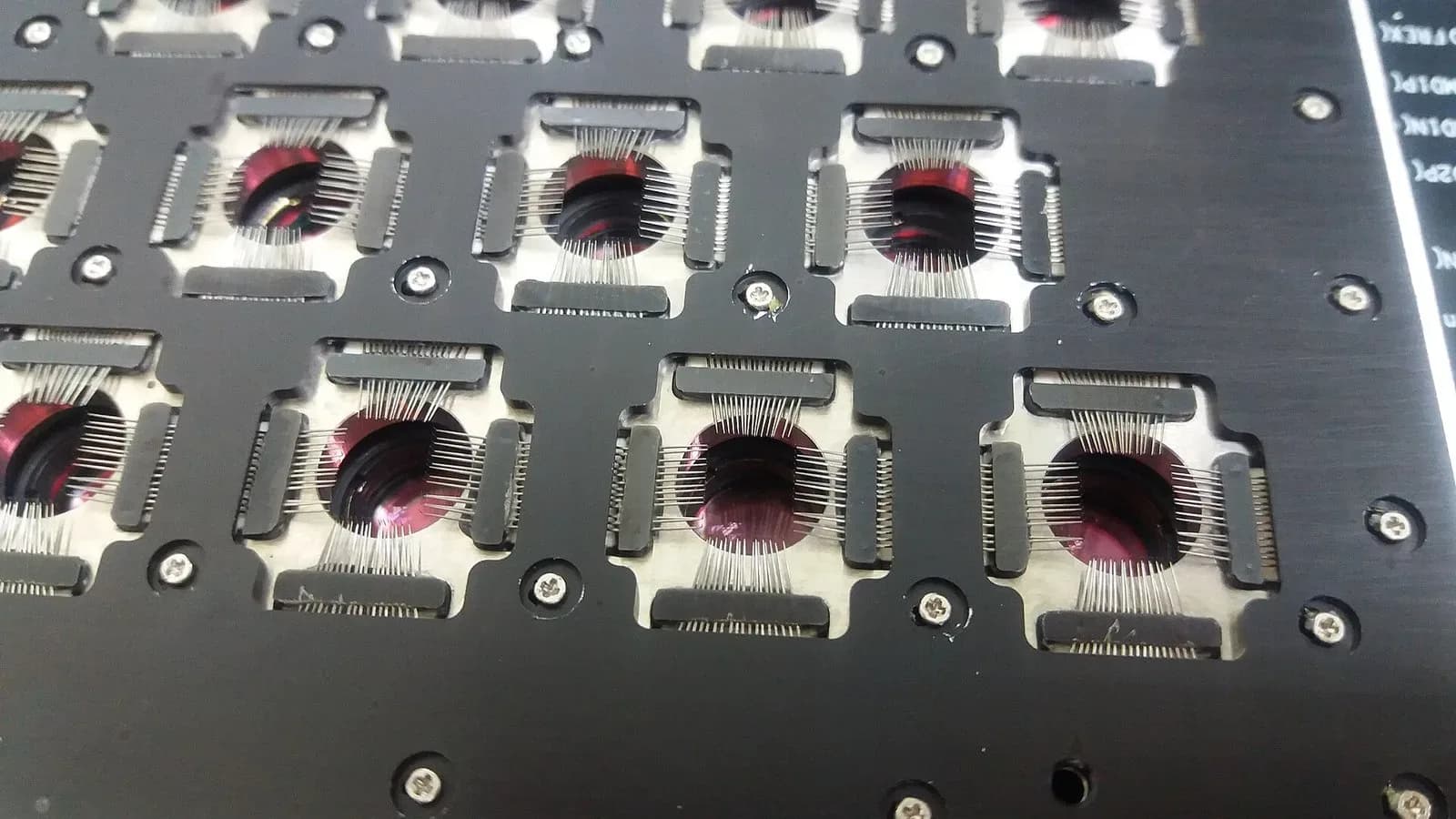
The plant will handle the back end of chip production, not the making of chips. That includes final testing for advanced chips, burn-in and system-level testing, and research and development, according to Brianna Brown, Fort Worth's assistant economic development director. It will include a clean room, a tightly controlled space that protects sensitive parts from dust.
Nvidia has said it will give King Yuan $1.1 billion in advance to reserve testing capacity in the United States. King Yuan is aiming to begin large-scale production in April 2027, the Central News Agency reported.
King Yuan has more than 9,500 employees and about $1.02 billion in annual revenue, the Fort Worth Report said. The site is in the Fort Worth South Business Park along the Interstate 35W south corridor, and the Report said it would be the largest investment to date in that corridor.
Not everyone cheered
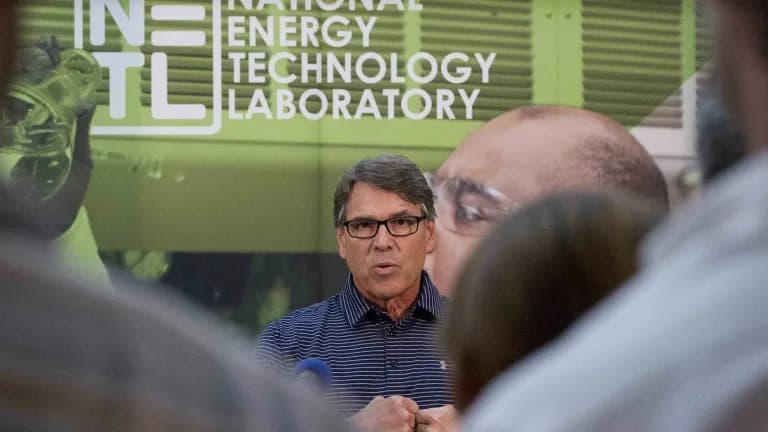
Some residents told the council Tuesday that the city should not back projects tied to artificial intelligence, the News reported. Council member Chris Nettles answered that the plant would test chips and do research, not manufacture them. "The things that they will be testing will go into a lot of things we actually use every day," he said.
A pattern in North Texas
Fort Worth has been on a run. Taiwan-based Wistron began work in July on two AI supercomputer plants at AllianceTexas, investing $761 million and expecting to employ more than 800, and Taiwan-based Foxlink opened its first North American plant with plans for 900 jobs, the Report said. Last week, Carrier picked Fort Worth for a $600 million chiller plant. Across the state, chipmakers are also competing for skilled workers.
For families in south Fort Worth, the question that matters is simple. Will these jobs go to local people who are ready to work? A plant that pays an average of $80,000 can change a neighborhood. Training, apprenticeships and honest hiring will decide whether it does.