Tesla's Profit Fell 43%, but Its Texas Bets Kept Growing. What the Quarter Means for the State
Austin-based Tesla reported third-quarter results Oct. 21. Profit fell and spending plans shrank, but Megafactory Texas started production and Cybercabs joined the Austin robotaxi fleet. Here is what the numbers show.
Tesla is an Austin company now, and its quarterly report reads more and more like a list of Texas projects.
The electric carmaker reported third-quarter results after the market closed on Oct. 21. Profit fell sharply. Spending plans shrank. But the company’s quarterly update filed with the Securities and Exchange Commission shows its Texas operations growing on several fronts at once.
The headline numbers
According to Tesla’s update:
Revenue was $28.05 billion, compared with $28.10 billion a year earlier.
GAAP net income attributable to common stockholders was $787 million, down from $1.37 billion a year earlier.
Non-GAAP net income was $1.70 billion.
Operating cash flow was $6.26 billion, and free cash flow was $1.53 billion.
Capital expenditures were $4.73 billion, up from $2.25 billion a year earlier.
Net income plunged 43 percent, Reuters reported. Revenue was flat but beat Wall Street estimates. Tesla delivered 486,532 vehicles in the quarter.
Investors watched spending most closely. Tesla cut its 2026 capital spending forecast to roughly $20 billion, down from more than $25 billion, but did not say what it would spend less on, Reuters reported. Analysts had expected about $7.5 billion in third-quarter capital spending, according to LSEG data cited by Reuters. Tesla shares have fallen about 14 percent this year.
What is happening in Texas
Several of the quarter’s milestones happened here, according to the company’s update:
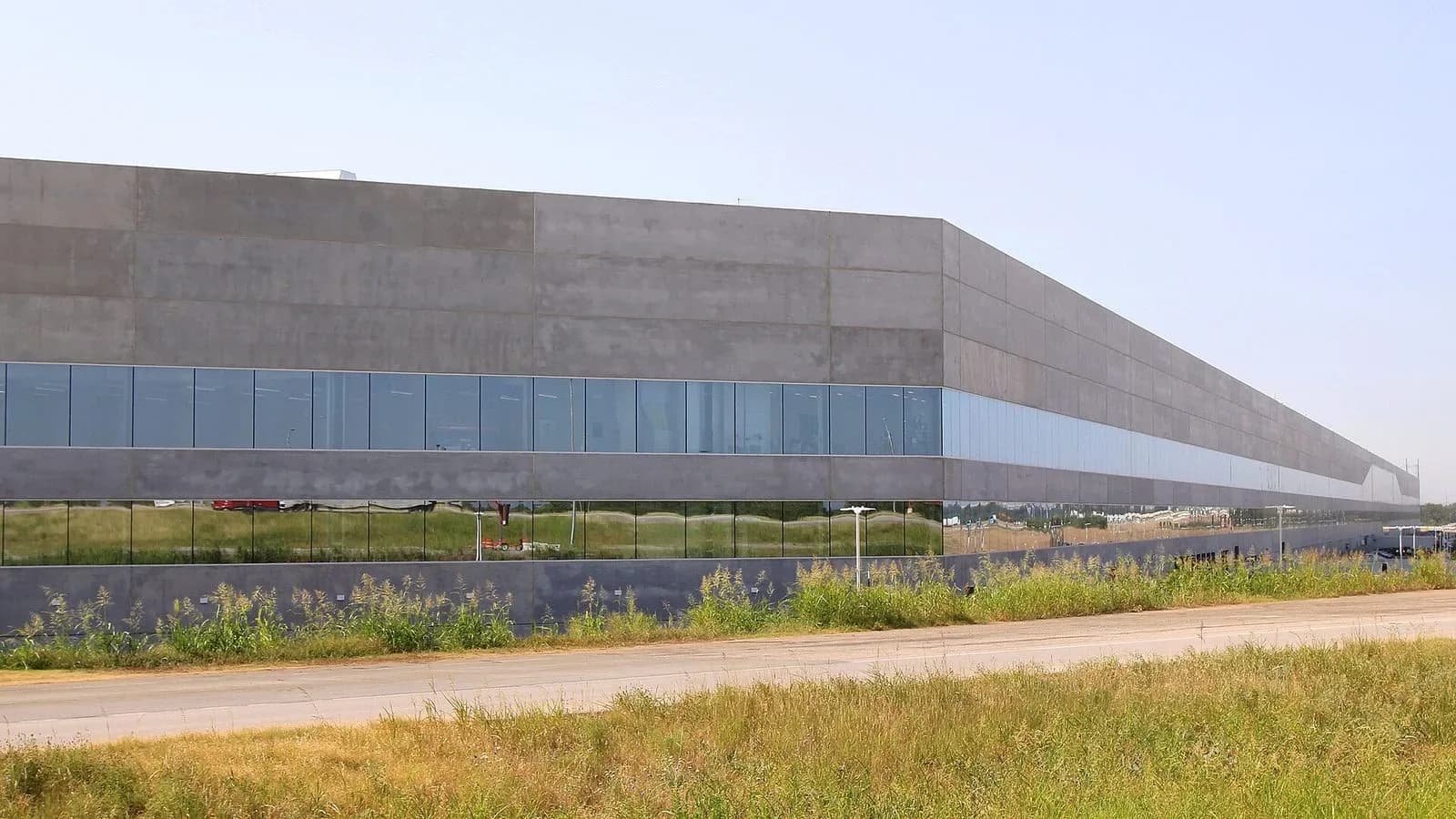
Megafactory Texas began production. Tesla says the plant has a planned capacity of 50 gigawatt-hours of Megapack battery storage. Tesla tied energy storage demand to data centers and a strained grid.
Cybercabs joined the Austin robotaxi fleet. Tesla says it began Robotaxi rides using Cybercabs on Sept. 3 in Austin, and that service hours there now run from 6 a.m. to midnight. The fleet reached nearly 2 million cumulative unsupervised miles by the end of the quarter.
The Austin Fab. Tesla says construction continued on a chip plant in Austin, where it plans to start commissioning equipment in 2027.
Computing power. Tesla lists two Texas AI training clusters, Cortex 1 at more than 105 megawatts and Cortex 2 at more than 120 megawatts.
Tesla lists installed capacity in Texas of more than 375,000 Model Ys, more than 125,000 Cybertrucks and more than 125,000 Cybercabs a year.
The Texas Department of Motor Vehicles has authorized 362 Model Y robotaxis and 449 Cybercabs for driverless operations in Texas, CNBC reported. Musk said the robotaxi fleet will begin contributing to Tesla’s financials in 2027. "It’s not like going to move the needle this quarter," he said, according to CNBC. "I think it starts to become noticeable in Q2 and then probably a big deal by Q3 or Q4 of next year."
The SpaceX question
Musk said on Oct. 20 that merging Tesla and SpaceX was a "good idea" and that the companies had formed special committees to discuss a deal, Reuters reported. On Tesla’s Oct. 21 analyst call, he said he had nothing more to add. Since then, merger talk has overshadowed the earnings, and any deal would face a long road of negotiations, shareholder votes and regulatory reviews in the U.S. and overseas, CNBC reported Oct. 23.
Musk’s companies already overlap in Texas. SpaceX’s test site in McGregor hosted the Roadster demonstration this month, which raised its own questions, as we reported in our story on the flying Roadster.
What it means for Texans
For Texas, the story is less about one quarter’s profit than about where a large manufacturer is putting its money. A battery factory, a chip plant, AI computing and a driverless taxi service are all being built or tested here.
That brings jobs and investment. It also brings questions that belong to Texans and their elected officials, not just to shareholders: how much power and water these projects will need, how driverless cars will be held accountable on public streets, and what happens to local communities if plans shift. The spending cut announced Oct. 21 is a reminder that corporate plans can change quickly.
Musk told analysts that demand is "exceeding our production by a significant margin," according to Reuters. Results, not promises, will tell. Texans should welcome the investment and keep asking plain questions about it.