Kennedy Unveils National Kidney Plan in Fort Worth. Most People With Kidney Disease Do Not Know They Have It
Health Secretary Robert F. Kennedy Jr. launched a federal plan at JPS Health Network to catch kidney disease earlier, open up dialysis and expand transplants. Here is what it does, what it does not do yet, and who should get checked.
Kidney disease rarely announces itself. By the time many people find out, the damage is done and the choices narrow to dialysis or a transplant.
U.S. Health Secretary Robert F. Kennedy Jr. came to Fort Worth on Tuesday to say Washington wants to change that. At JPS Health Network, Tarrant County’s public hospital system, Kennedy announced a new national kidney care plan, the Fort Worth Star-Telegram reported.
What the plan says
The Kidney Care National Plan is a department-wide strategy built around three priorities, according to the U.S. Department of Health and Human Services:
Prevent kidney failure by detecting disease earlier, intervening sooner and advancing treatments that can slow or stop it.
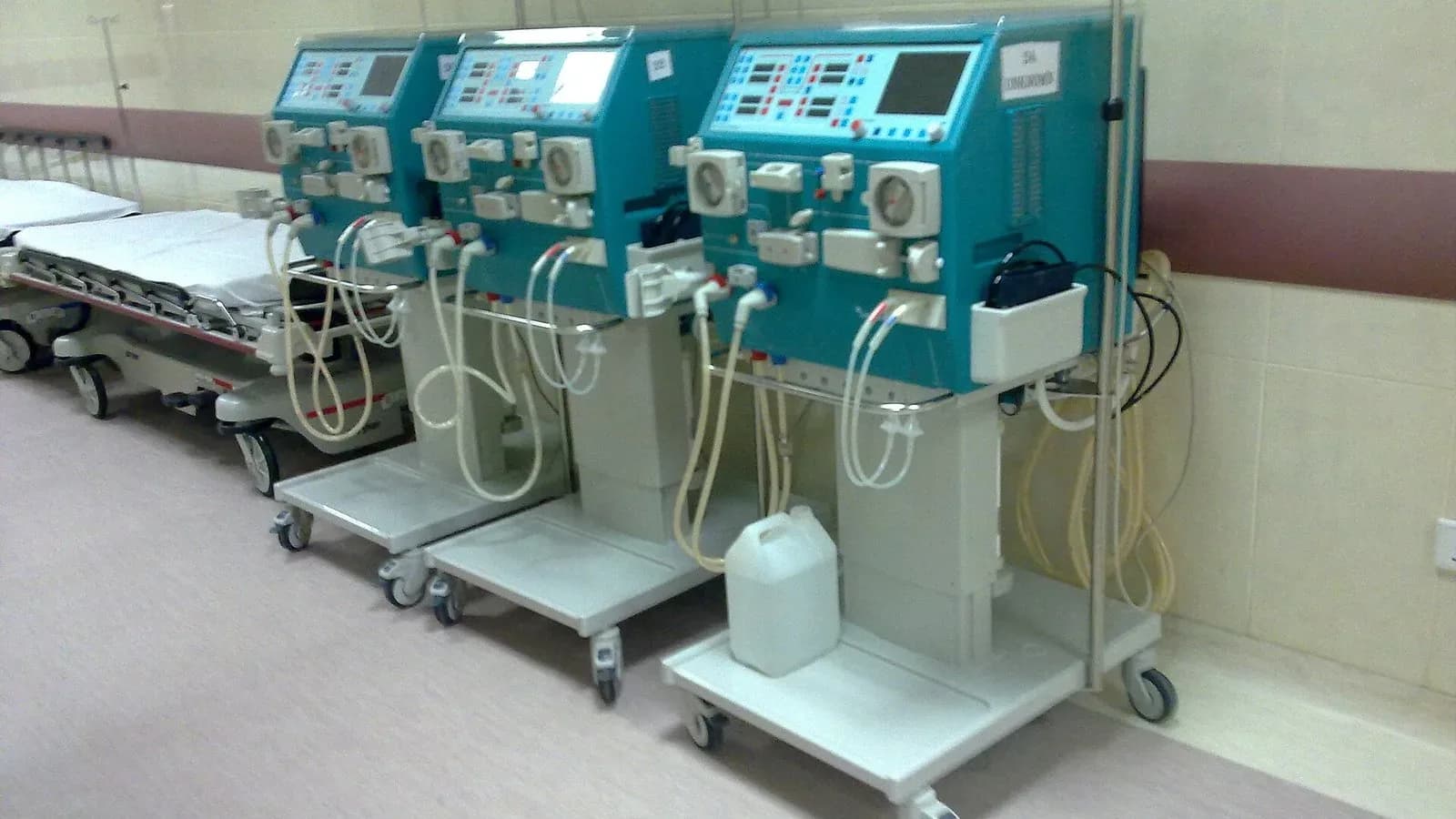
Improve dialysis care and expand patient choice by promoting competition, lowering barriers for new providers and treatments, and expanding home-based care.
Reform transplantation by strengthening safety, transparency and accountability while expanding access to living and deceased-donor transplants.
"Our goal is simple: preserve kidney health, give patients more choices, and help more Americans avoid kidney failure and live longer, healthier lives," Kennedy said in the HHS release. At JPS, he was blunter: "(The) organ transplant program had a monopoly that ended up corrupting the system," he said, according to the Star-Telegram.
Health Resources and Services Administration Administrator Tom Engels said the plan was focused on ensuring there is no corruption in the dialysis and transplant systems and on stopping monopolies, the paper reported.
What is already happening
HHS said it has moved to decertify organ procurement organizations that failed to meet federal standards, and that HRSA revised eligibility guidelines for the Living Organ Donor Reimbursement Program after the HOLD Act passed in February. The department is also investing up to $4.67 million in a KidneyX prize competition focused on nutrition and earlier risk detection.
An HHS analysis released Tuesday associates the 2019 executive order on kidney health with roughly 2,000 additional kidney transplants a year.
What it does not do yet
The plan is a roadmap, not a rulebook. The Dallas-based National Kidney Foundation noted that it "establishes policy direction rather than new requirements." Most recommendations call for further review or policy development and do not set new payment rates, coverage requirements, funding or deadlines, the foundation said.
The foundation still welcomed it. "For too long, America has invested far more in treating kidney failure than in preventing it. Today’s plan recognizes that we can—and must—do better," said Jesse Roach, MD, the group’s senior vice president for government relations.
Why Texans should pay attention
An estimated 37 million American adults have kidney disease, and most do not know it, HHS said. The National Kidney Foundation puts the share who do not know at about 90 percent and says about 1 in 3 U.S. adults are at risk.
Kidney disease was the 10th leading cause of death in Tarrant County in 2023, the Star-Telegram reported. The foundation lists diabetes, high blood pressure, heart disease, obesity and family history as risk factors, and says Hispanic Americans experience kidney failure at about double the rate of white Americans.
If any of those describe you, ask your doctor at your next visit whether your kidneys have been checked. Earlier detection is the heart of the federal plan, and it is something you can act on now without waiting for Washington.
The vaccine question
Kennedy remains a controversial figure among many doctors because of his past anti-vaccine activism, the Star-Telegram noted. Asked about vaccines on Tuesday, he said: "We want parents to vaccinate. Unfortunately, during COVID, because of the overreach during COVID, because of the dishonesty by my department, a lot of Americans lost faith in vaccination, and we are trying to rebuild that by being honest with the American people."
The paper reported that kindergarten MMR vaccination in Tarrant County slipped from almost 94% to almost 93% in the last year, while conscientious exemptions rose from 5.3% to 6.8%. For where measles stands in Texas now, see our latest measles update.
Our bodies are a gift to be stewarded, not spent. A simple blood and urine test can tell you where your kidneys stand. Get it done.