

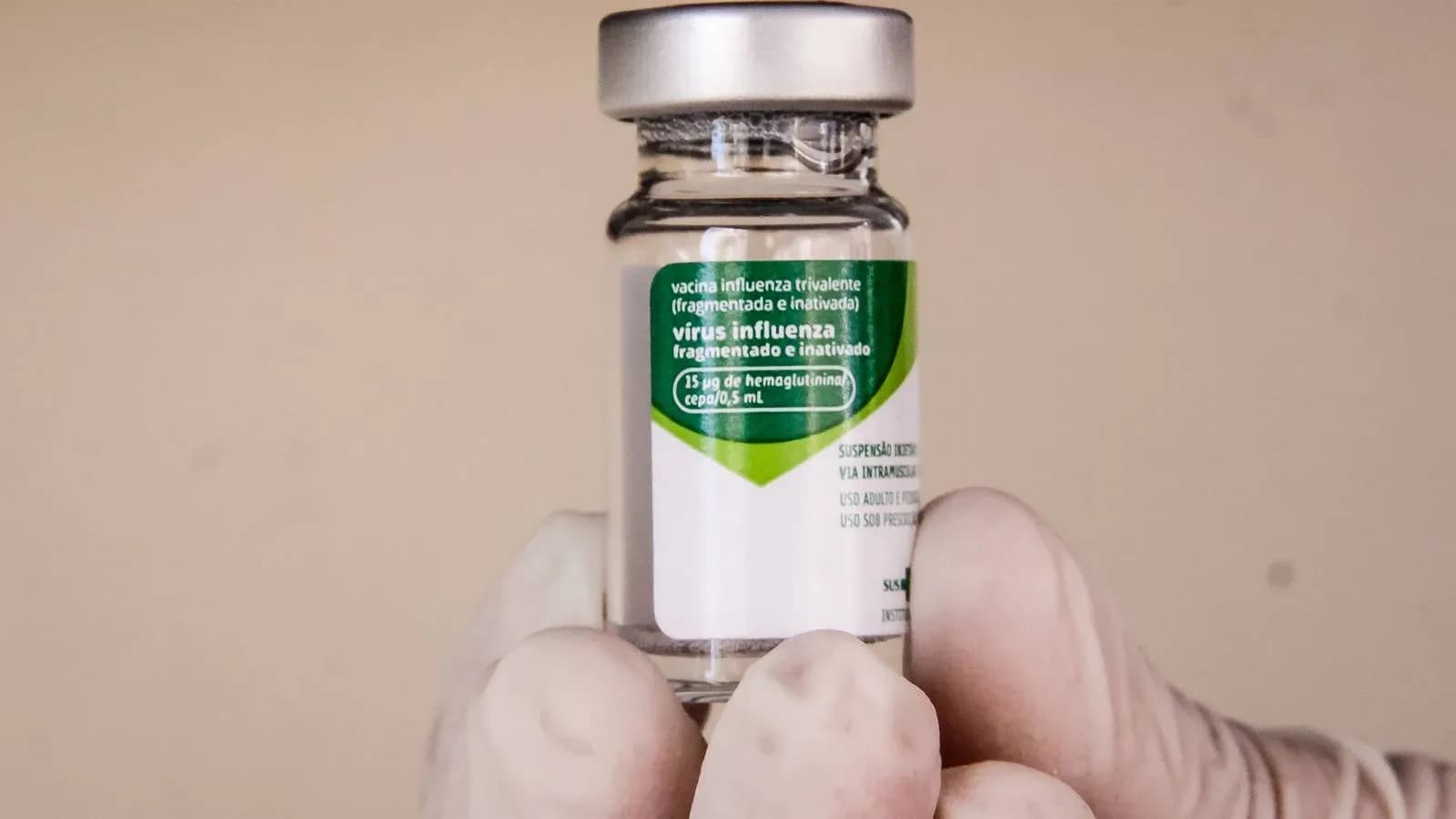
Flu Often Peaks in Winter. What Texas DSHS Says About Symptoms, Spread and Who Is Most at Risk
Flu season usually peaks December through February. State health officials explain the symptoms, how flu spreads before you feel sick and simple ways to protect family.
Thanksgiving is less than three weeks away, and families across Texas will soon pack into kitchens, churches, school gyms and grandparents' living rooms. That is exactly the kind of setting where the flu spreads.
The Texas Department of State Health Services says on its flu information page that flu season in the United States usually begins in the fall, around October, peaks from December through February and can last as late as May. In other words, the busiest stretch of the holidays lines up with the run-up to peak season.
This is general seasonal guidance, not a report of current Texas case counts or evidence that flu activity is rising now. Here is what the state health department says Texans should know.
What the flu is
Influenza is a contagious respiratory illness caused by influenza viruses. It affects the nose, throat and sometimes the lungs. DSHS says it can cause mild to severe illness and, in some cases, hospitalization or death.
The flu is not the same as a cold. It usually comes on suddenly. DSHS lists these common symptoms:
Fever or feeling feverish, with chills
Cough
Sore throat
Runny or stuffy nose
Muscle or body aches
Headaches
Fatigue
Some people also have vomiting and diarrhea, which DSHS says is more common in children than adults. Not everyone with the flu runs a fever, so a normal thermometer reading does not rule it out.
How it spreads
DSHS explains on its page on how flu spreads that the virus travels in droplets when an infected person coughs, sneezes or talks. Those droplets can land in the mouths or noses of people nearby or be breathed into the lungs. You can also pick it up by touching a doorknob, phone or countertop with virus on it and then touching your eyes, nose or mouth.
The timing matters for holiday plans. According to DSHS, people can spread the flu starting one day before symptoms appear and up to five to seven days after they get sick. Children and people with weakened immune systems may be contagious even longer. That means someone can pass the flu along at the dinner table before they know they have it.
Who is most at risk
Anyone can get the flu, but DSHS says these groups face higher risk of serious complications such as pneumonia:
Children under 5, especially infants
Adults 65 and older
Pregnant women
People with chronic conditions such as asthma, diabetes, heart disease, and kidney or liver disease
People with weakened immune systems
Nursing home and long-term care residents
DSHS also highlights health care workers and others in close contact with vulnerable people in its prevention guidance; contact with vulnerable people does not itself establish an underlying medical risk of severe illness. Many Texans live with one of the chronic conditions listed above. We have reported on diabetes in About 1 in 8 Texas Adults Has Diabetes. Here Is What Federal Research Says About Delaying or Preventing Type 2.
What DSHS recommends
The agency's flu prevention page lists simple steps:
Get a flu vaccine every year. DSHS recommends it for everyone 6 months and older, especially people at higher risk. The agency says the virus changes and protection from last year's shot fades, so last year's vaccine is not enough.
Wash your hands with soap and water for at least 20 seconds, or use an alcohol-based sanitizer if soap is not available.
Cover coughs and sneezes with a tissue or your elbow, not your hands, and throw tissues away.
Stay home if you are sick. DSHS says children should stay out of school or child care until they have gone at least 24 hours without a fever and without fever-reducing medicine.
Keep your distance from people who are coughing or sneezing.
Clean often-touched surfaces like doorknobs, phones and keyboards.
If you do get sick, DSHS says to stay home, rest, drink plenty of fluids and talk to your health care provider. Whether a vaccine or medicine is right for you is a question for your own doctor, especially if you are pregnant or have a chronic illness.
Loving your neighbor at the table
Most of this is common sense, and it is also common courtesy. Staying home from church or a family meal when you are feverish can feel like a loss. But it protects the baby in the nursery, the grandmother at the end of the table and the neighbor fighting cancer.
Philippians 2:4 says, "Look not every man on his own things, but every man also on the things of others." Washing your hands, covering your cough and keeping a sick child home are small ways to do that. Make your holiday plans with that in mind, and if you have questions, start with your doctor and the DSHS flu pages.
More Health & Fitness Stories
 Last Week
Myth vs. Reality: Who Can Actually Get Dental Implants
 Last Week
Could You Pass the Texas Game Warden Fitness Test? Applications for the Next Cadet Class Are Open
 Last Week