Texas A&M Researchers Report Early Success Sterilizing Screwworm Flies With Electron Beams
AgriLife Research scientists said Nov. 12 that electron-beam treatment sterilized New World screwworm flies in early tests, without the radioactive material used in conventional sterile-insect programs. More dosing tests remain.
Texas A&M AgriLife Research scientists said Nov. 12 that they have recorded early success using electron-beam technology, known as eBeam, to sterilize New World screwworm flies. The work is aimed at the Sterile Insect Technique, a method already used against the pest, but without the radioactive material that conventional sterilization requires. The university account, written by Adam Russell of Texas A&M AgriLife, describes the results as early and still subject to more testing.
New World screwworm, Cochliomyia hominivorax, remains a live concern in Texas. Dock Line has previously reported that the pest turned up in Pecos County and later in a hunter-harvested elk, with instructions for deer hunters on how to check a carcass. The Nov. 12 report does not announce a new Texas detection. It describes laboratory progress on a control tool, at a moment when, the university says, Texas and U.S. agencies are working with AgriLife "to keep it from spreading further into the country and impacting livestock and wildlife."
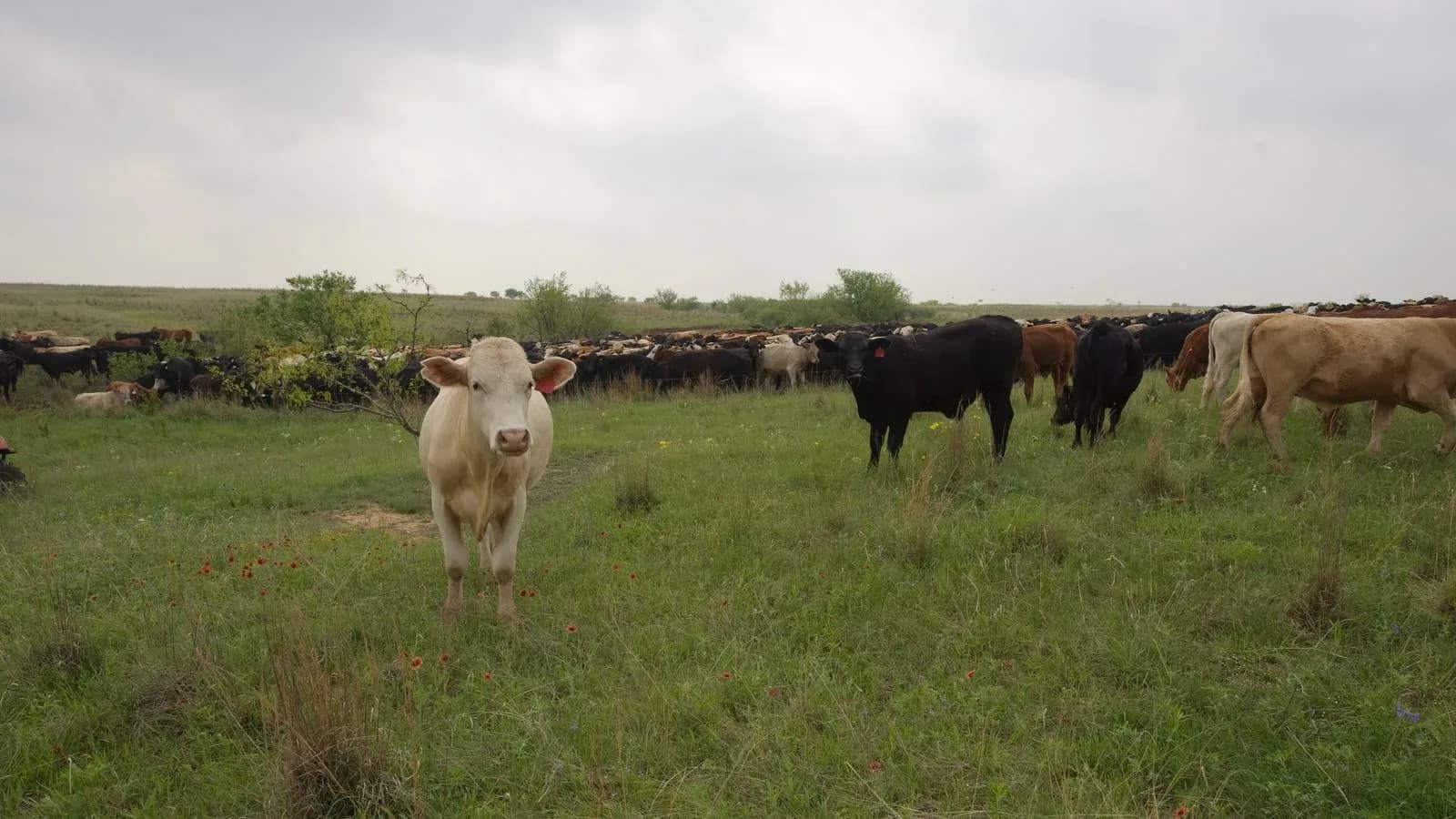
According to the same account, Texas A&M AgriLife Extension Service economist estimates put the cost of a large New World screwworm outbreak to the state's cattle industry at $2.1 billion and say the pest would also threaten a $9 billion hunting and wildlife industry. Those figures are the university's estimates, not an official state damage assessment in this article.
The Sterile Insect Technique, as the university explains it, depends on releasing large numbers of sterilized male flies. Because females mate only once, eggs from a pairing with a sterile male do not hatch, and wild populations decline. Traditional programs expose pupae to radioactive isotopes, including cobalt-60. eBeam, the researchers say, uses commercial electricity to generate high-energy electron beams and does not require radioactive material, removing what the university calls safety, security, cost, and logistical burdens that come with handling cobalt-60. The technology has been used for other jobs, including sterilizing medical equipment and imported produce and spices.
The team joins food-processing and entomology work. Suresh Pillai, director of the National Center for Electron Beam Research at Texas A&M University and an AgriLife Research scientist in the Department of Food Science and Technology, handled dosing and logistics. Aaron Tarone, an AgriLife Research scientist and professor, and Keyan Zhu-Salzman, an AgriLife Research entomologist and professor, both in the Department of Entomology, handled the biological side. After pupae were treated across a range of doses, Tarone's group examined adult flies under a microscope, assessed reproductive capacity, and confirmed the insects could fly and complete their life cycles, with sterility left as the intended effect of the treatment.
"Dr. Pillai has figured out how to precisely treat thousands of pupae in seconds, and that is very positive when you consider using this technology at the factory scale necessary for SIT efforts," Tarone said. "Everything is looking very positive." The university says eBeam can cut the sterilization process down to seconds, compared with minutes for cobalt-60. Pillai said remaining rounds of testing will be used to hone the efficiency of eBeam dosing. "We've demonstrated that eBeam can do what cobalt-60 does against the New World screwworm," he said. "Our tests thus far make a compelling case for the use of this technology given the reduced cost and risks associated with traditional sterilization methods. There's enough data that we're confident eBeam could be the future of SIT efforts."
That is a researcher's assessment of tests to date, not a report that a factory-scale Texas program is already running on eBeam. The work builds on earlier tests of a related blowfly, Cochliomyia macellaria, used as a surrogate before direct work on New World screwworm pupae. G. Cliff Lamb, director of AgriLife Research, said the collaboration is "creating an innovative tool to protect Texas livestock, wildlife and the livelihoods of our producers."
The university places the tests in a federal funding context. It says the U.S. Department of Agriculture launched a New World screwworm Grand Challenge in January and, on June 17, announced $105 million in funding for 40 research projects selected through that challenge, with eBeam research among them. This account follows that wording and does not treat the $105 million as an award to the Texas A&M center alone. As part of one funded project, the university says, the eBeam center in Bryan-College Station will assist two companies in developing prototype eBeam platforms for broader Sterile Insect Technique applications. The center was named an International Atomic Energy Agency collaborating center in 2014, the article says, and also partners with the U.S. Department of Energy and Pacific Northwest National Laboratory.
Early laboratory success is not the same as a pest gone from the pasture. Hunters and ranchers still have to watch their animals. But a method that, if it holds up under the remaining tests, sterilizes flies in seconds without storing cobalt-60 is a concrete development, and it should be described that way. "Be thou diligent to know the state of thy flocks, and look well to thy herds" (Proverbs 27:23). The work of keeping Texas livestock and wildlife is practical, and so is the duty to report what the science has shown so far, and what it has not.