

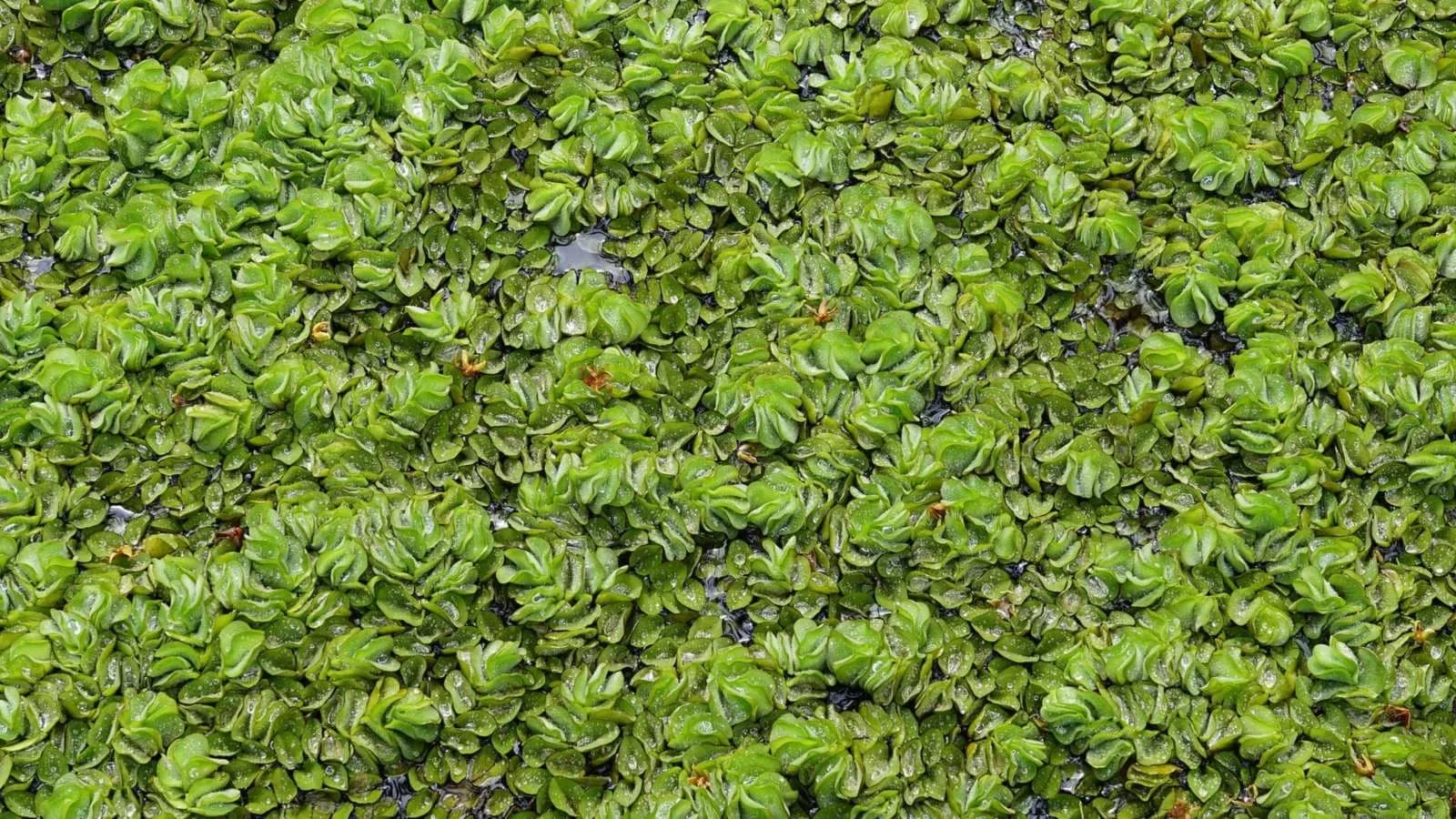
Duck Hunters Can Carry Giant Salvinia and Zebra Mussels Lake to Lake. TPWD Says a Few Minutes of Cleaning Stops It
Texas Parks and Wildlife is asking waterfowl hunters to clean, drain and dry boats, decoys and waders between lakes. Giant salvinia is on 30 East Texas lakes and zebra mussels are in 40.
As Texas duck hunters load boats and decoys for the season, the state's wildlife agency has a request: take a few minutes to clean up before you leave the water.
Texas Parks and Wildlife is asking waterfowl hunters to clean, drain and dry their boats, trailers and gear, including decoys, waders, decoy bags and marsh sleds, before moving from one lake to another, according to an Oct. 29 news release. The goal is to keep giant salvinia, other invasive plants and zebra mussels from spreading to new waters.
This story is based on that single TPWD release.
Why hunters should care
Giant salvinia is a free-floating fern that can double its coverage in a week. It forms thick mats that can make hunting, fishing, boating and swimming nearly impossible, and a single fragment carried to a new lake can start a new infestation, TPWD says. It is now on 30 East Texas lakes and many rivers, creeks and marshes, largely between Houston and Beaumont. Other invasive plants that can harm waterfowl habitat are in many more lakes, so the agency says to clean, drain and dry when leaving any body of water.
"This invasive plant can not only form thick mats that block hunters' access to prime waterfowl hunting areas but also outgrow and replace the native plants that waterfowl rely on for food and high-quality habitat," said Jessica Metz, a TPWD aquatic habitat enhancement biologist.
Zebra mussels are now found in 40 Texas lakes across eight river basins. They compete with native species, damage boats and water infrastructure, and leave sharp shells on shorelines. Once they are established in a lake, TPWD says, little or nothing can be done to get rid of them.
TPWD and its partners monitor at-risk lakes around the state for early signs of zebra mussels and the closely related quagga mussels, which is why the agency puts so much weight on prevention.
"Zebra mussels and quagga mussels can attach to boats and even be carried by anchors, plants clinging to boats, or other equipment including treads of waders and boots," McGarrity said. "Though they can't be seen with the naked eye, microscopic zebra mussel larvae can also be transported unknowingly in residual water in the boat or even in water in decoys. Taking just a few minutes to clean, drain and dry boats can make a huge difference in our efforts to prevent further spread of this highly damaging species and harm to Texas lakes."
McGarrity is TPWD's senior scientist for aquatic invasive species.
What TPWD recommends
The agency pointed to tips from recent studies aimed at waterfowl hunters:
Use a wet/dry vacuum to pull plants out of the boat, trailer and most gear before rinsing. A water hose can push plant fragments into small spaces you cannot reach.
After removing plants and mud by hand, rinse waders and decoys with a hose, and use a stiff brush on boot treads.
Drain water out of decoys, and consider adding drain holes to older, cracked decoys that hold water or plant pieces.
Check the places plants hide on a boat rig: around lights and license plates, between the boat and the bunks, and on the tow vehicle. TPWD also has a how-to video for hunters on its YouTube channel.
What the law requires
Transporting prohibited aquatic invasive species in Texas is illegal and carries a fine of up to $500 per violation. Boaters must drain all water from their boat and onboard containers, including bait buckets, before leaving or approaching fresh water. They must also remove invasive plants from the boat, trailer, vehicle and equipment before leaving a lake.
Anyone who sees invasive species on a lake where they have not been reported, or on boats and equipment being moved, can call TPWD at (512) 389-4848 or email photos and the location to [email protected].
A fair word
Hunters have long been among the best stewards of Texas wildlife, and the marshes they love are worth protecting for the next generation. Leaving a lake as clean as you found it is a small act of responsibility. It costs a few minutes at the ramp, and it can keep a favorite hunting spot open for years.
More Outdoors Stories
 This Week
Beyond Lost Maples: Texas State Parks Where You Can See Fall Color, From the Panhandle to the Pineywoods
 This Week
Clocks Fall Back Sunday, Right in the Middle of Texas Deer Crash Season. What the Research Says
 This Week