Democrats Criticize Merkley After He Blocked a Permitting Amendment
Semafor reported Monday that Sen. Jeff Merkley angered colleagues by blocking a vote on a manager's amendment; HuffPost and earlier coverage also described the Thursday stalemate.
The facts come first below. My opinion follows in the section marked as opinion.
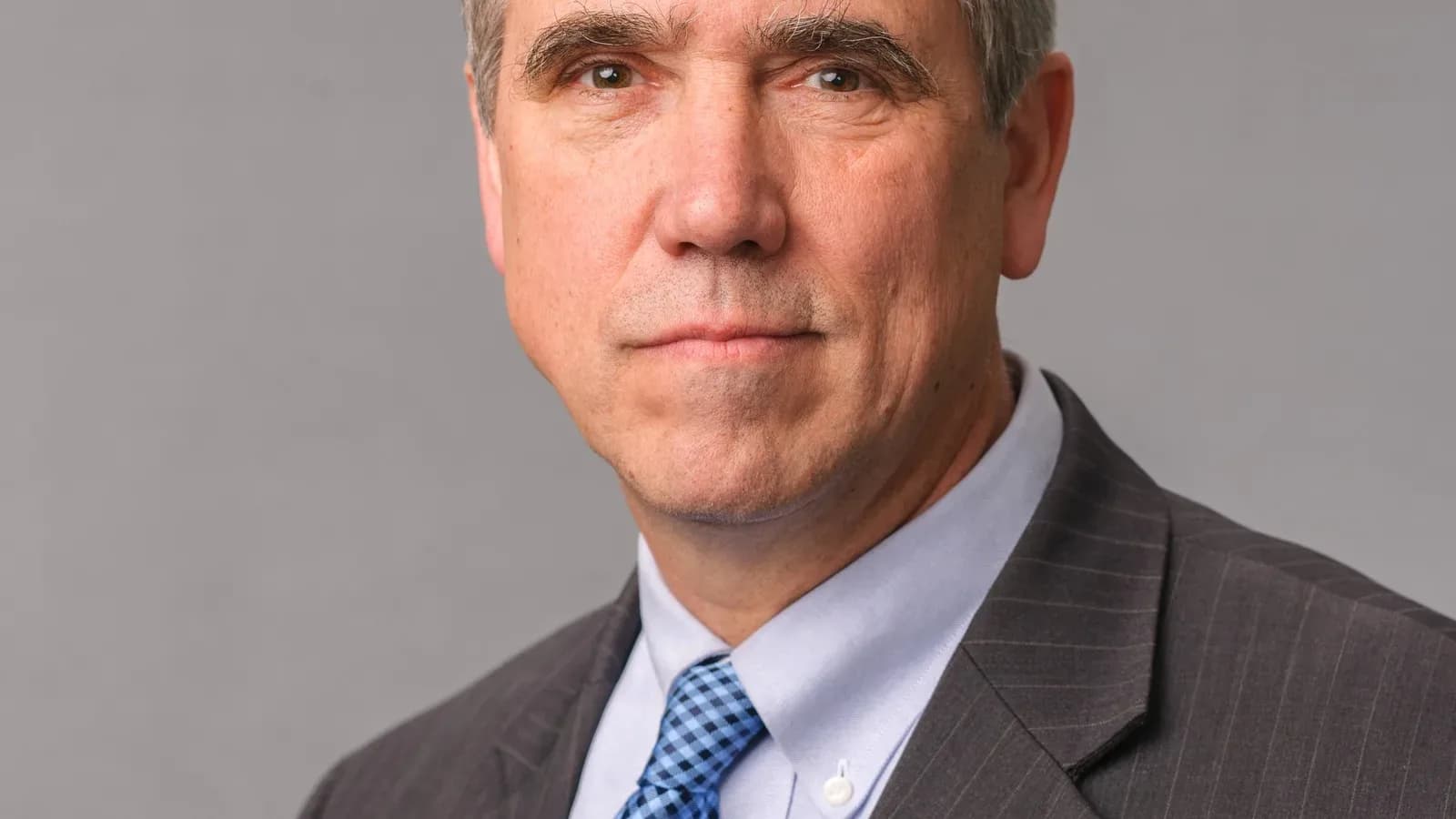
Sen. Jeff Merkley, D-Ore., is facing criticism from fellow Democrats after he blocked a vote on a manager's amendment to the bipartisan energy permitting bill that passed the Senate last week, Semafor reported Monday in a dispatch by Burgess Everett. HuffPost, in a Nov. 21 report, said Merkley and Sen. Ron Wyden, D-Ore., refused on Thursday to consent to an amendment process, and that Sen. Ruben Gallego, D-Ariz., accused Merkley of trying to keep the bill unpopular enough to die in the House. Dock Line's earlier report that Senate Passes Energy Permitting Overhaul Bill, 62-33 likewise noted, citing Roll Call, that Merkley and Wyden would not agree to a limited amendment process and that a manager's package then fell by the wayside.
"The irony was not missed," Sen. Martin Heinrich, D-N.M., one of the bill's Democratic authors, told Semafor. Sen. Angus King, I-Maine, said he "did not like it" when Merkley objected to the bipartisan amendment, after other senators prevented a vote on banning data centers from public land. "I couldn't understand what the rationale was. The bill was going to pass. So why not make it better? It didn't compute for me," King told Semafor.
HuffPost reported that Gallego wrote on social media, "A Senate Democrat is objecting to a largely Dem amendment that would have improved the bill significantly in the hopes that bill is so unpopular that it will die in the house," adding "#dirty." Semafor also quoted that criticism. A Merkley spokesperson told Semafor that Merkley's rules proposal, offered with Sen. Steve Daines, R-Mont., would fast-track popular bills out of committee, and that the proposed fix would not have applied to the permitting bill because it did not go through the regular committee process. "The proposal is premised on the idea that bills receive special fast-track status only if there is robust, bipartisan support from members of the committee," the spokesperson said, according to Semafor.
Sen. Andy Kim, D-N.J., who has expressed interest in Merkley's rules reform, told Semafor, "People fight by the rules that we have. I don't think there's ever an element where people are unilaterally disarming." Senate Majority Leader John Thune told the outlet he "really" likes the idea of getting rid of time-wasting procedures and making it easier for bipartisan bills to reach the floor, but he was pessimistic about striking a deal with Sen. Chuck Schumer before the next Congress. "It's getting impossible to do anything around here," Thune said in an interview, according to Semafor. "I agree with Daines that if you don't do something to modify the rules around here, one side or the other at some point is going to blow up the filibuster."
Last Thursday, Merkley and Daines presented a plan that would, among other changes, adopt a "talking filibuster," requiring senators to hold the floor continuously if they want to stop a bill or nomination, Roll Call reported. Sen. Chris Van Hollen, D-Md., who is challenging Schumer for Democratic leader, endorsed that plan. "I'm in favor of filibuster reform," Van Hollen said, according to Roll Call. "How and when we do that is a matter for the caucus to decide." The same dispatch said his personal view is that the filibuster itself is "anti-democratic." Daines said the changes, if adopted, would "truly be a cultural change for the Senate," and that the reforms are "appropriate no matter who is in the majority, no matter what the election outcomes were," Roll Call reported. He also said any rules changes would require 67 votes from the full Senate, the dispatch said, while some Democrats have discussed using a simple majority at the start of the new Congress.
Opinion:
A senator who preaches a new rulebook while blocking an amendment under the old one should not be surprised when colleagues notice. Heinrich was right to see the irony. The permitting bill had already cleared a 60-vote Senate. If Merkley thought a manager's amendment would improve it, the honest course was to let the Senate vote. Gaming the House from the Senate floor is not reform. It is just another maneuver.
The filibuster is not "anti-democratic," as Van Hollen put it, merely because it requires more than a bare majority. The Senate was designed to slow a rush of power, not to rubber-stamp it. A talking filibuster, in which a minority must actually hold the floor, is a far more serious proposal than quietly erasing the 60-vote threshold on the first day of a new Congress. Daines is also right that any durable change should be written so it applies no matter which party holds the gavel, and that a 67-vote change would be more honest than a 51-vote raid.
Thune's warning is the one both parties should hear. If, as Thune warned, one side is going to "blow up the filibuster," the other side will use the wreckage. Conservatives who will soon be in the minority have no interest in teaching Democrats how to govern by simple majority on every hard question. Process is not a parlor game. It is one of the few remaining checks on whoever happens to be in charge.