

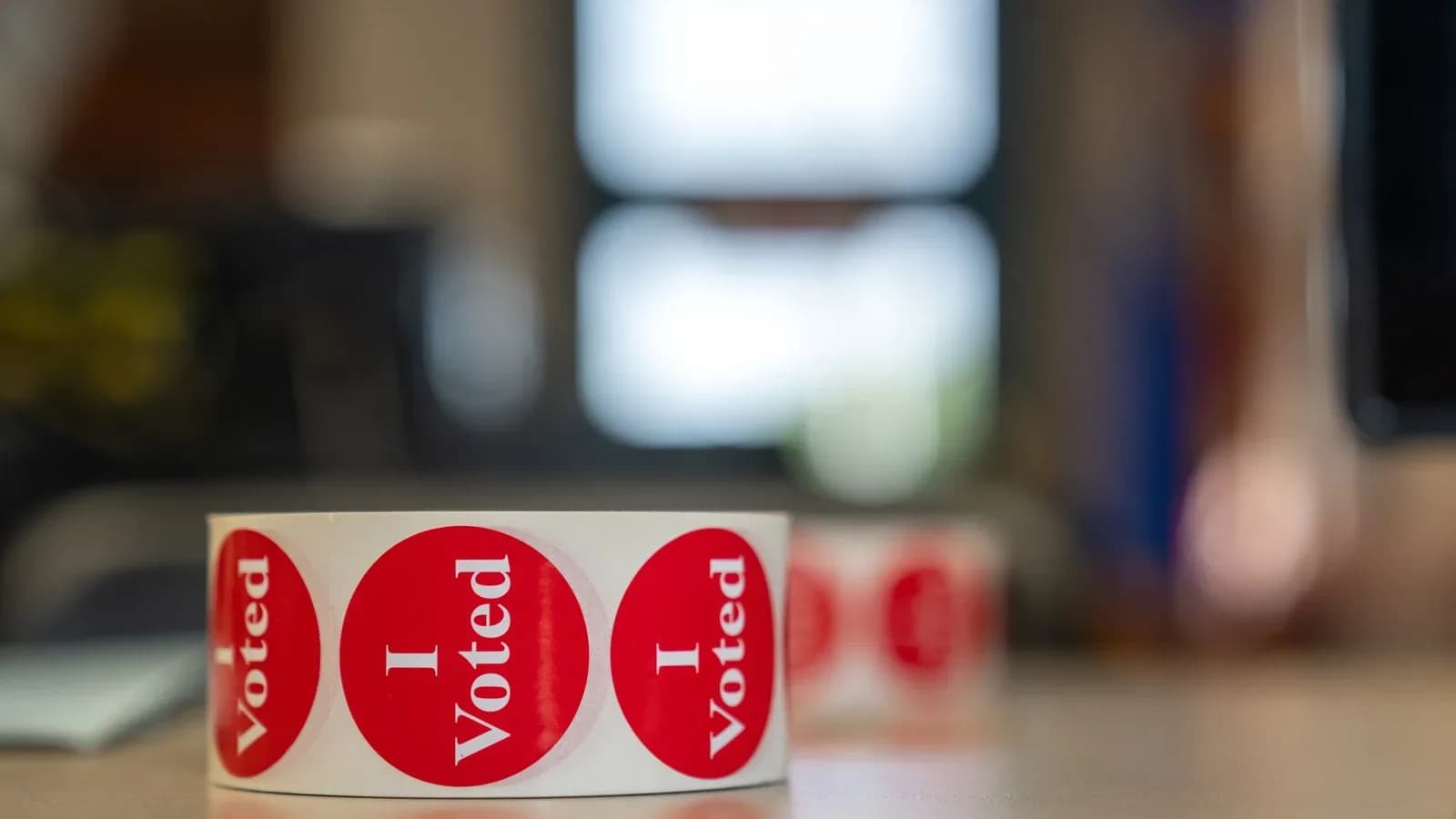
More Than 30 Million Americans Have Already Voted. The Early Vote Is Not a Forecast, It Is a Reminder to Show Up.
Tens of millions of Americans voted early ahead of the Nov. 3 midterms. Here is what the early-vote numbers show, what they do not, and why your vote still matters.
The facts come first below. My opinion follows in the section marked as opinion.
With a week to go before the Nov. 3 midterm elections, tens of millions of Americans have already voted. As of Tuesday afternoon, nearly 33 million people had cast ballots since early voting windows opened, according to tracking by the University of Florida's Election Lab, TIME reported. Around half of those votes were cast in person and half by mail.
Spectrum News, in a report published Tuesday morning, put the figure at more than 31 million, based on data from 47 states and the District of Columbia. The difference reflects different cutoff times in a count that grows by the hour.
Records in some states
Turnout is running high in several states. In South Carolina, early voting numbers have already surpassed the record set in the last midterm election, and nearly 2 million people in Georgia had cast ballots ahead of Nov. 3, Spectrum reported.
The early vote is also unfolding alongside legal fights. The Trump administration is pressing efforts to keep thousands of ballots in California and Washington state from being counted, saying they may belong to noncitizens, and California Attorney General Rob Bonta, a Democrat, has criticized those efforts, according to the same report.
What the party numbers show, and what they do not
In the 27 states with formal party registration, registered Democrats have cast roughly 45% of early ballots and Republicans 31%, with 24% registered with neither party, according to the Election Lab data cited by TIME. Those numbers show only how voters are registered, not how they voted.
Experts warned against reading too much into them. "We expect the Democrats to build up a lead in the early vote, and Election Day tends to be a Republican day, so you can't just look at the early vote as it is now," Michael McDonald, the University of Florida political scientist who runs the Election Lab, told TIME. Simon Rosenberg, a longtime Democratic strategist, told the magazine early voting "can tell you a lot, but it can't tell you everything," noting that early returns in 2024 showed Kamala Harris leading before she lost.
TIME also reported that Hispanic early voting participation is outpacing its levels at the same point in the 2022 and 2024 cycles. Rosenberg predicted the trend will carry through Election Day and become "one of the big storylines of the election."
Opinion: The early vote is not a forecast. It is a reminder to show up.
Every two years the early-vote numbers become a Rorschach test. One side sees a wave. The other sees a mirage. The honest answer is the one the man who keeps the numbers gave: you cannot just look at the early vote as it is now. A registered Democrat may vote for a Republican, an independent may split a ticket, and the people who plan to vote on Election Day have not been counted yet. Anyone telling you the race is already decided is selling something.
What the numbers do show is that a lot of Americans are taking their duty seriously, and that is good news no matter who wins. The large early turnout in places like South Carolina and Georgia is the opposite of the apathy we are often told defines this country.
For Christians, voting is not an idol and it is not salvation. But it is a stewardship. When the exiles were carried off to Babylon, the Lord told them through Jeremiah to "seek the peace of the city whither I have caused you to be carried away captives, and pray unto the LORD for it." If believers were called to seek the good of a pagan empire, we can surely spend an hour seeking the good of a free republic.
So read your ballot before you get to the booth, including the judicial races and propositions that never make the evening news. Vote your conscience, informed by Scripture and the record, not by a cable segment. Then accept the count when it is lawfully finished, and keep the peace with neighbors who voted the other way. Some churches are even sending clergy to stand outside the polls as peacemakers, as we reported in Clergy to Serve as Poll Chaplains in Nine States on Election Day. That is a witness worth copying.
If you have already voted, good. If you have not, make a plan today. The early vote is a headline. Your vote is the story.
More Politics & Government Stories
 Today
Terrell Votes on 22 Charter Changes, Including One That Counts Abstentions as Yes
 Today
Pentagon Plans for Bases to Run 90 Days Without the Grid. Preparing Is Wise, but Show Taxpayers the Bill.
 Today