

Still Getting Political Texts on Election Day? Here Is How Campaigns Got Your Number and What Actually Stops Them
Campaign texts cost as little as a penny each, and your number sits in party voter files. Here is what federal rules allow, what replying STOP does and the one thing strategists say works best.
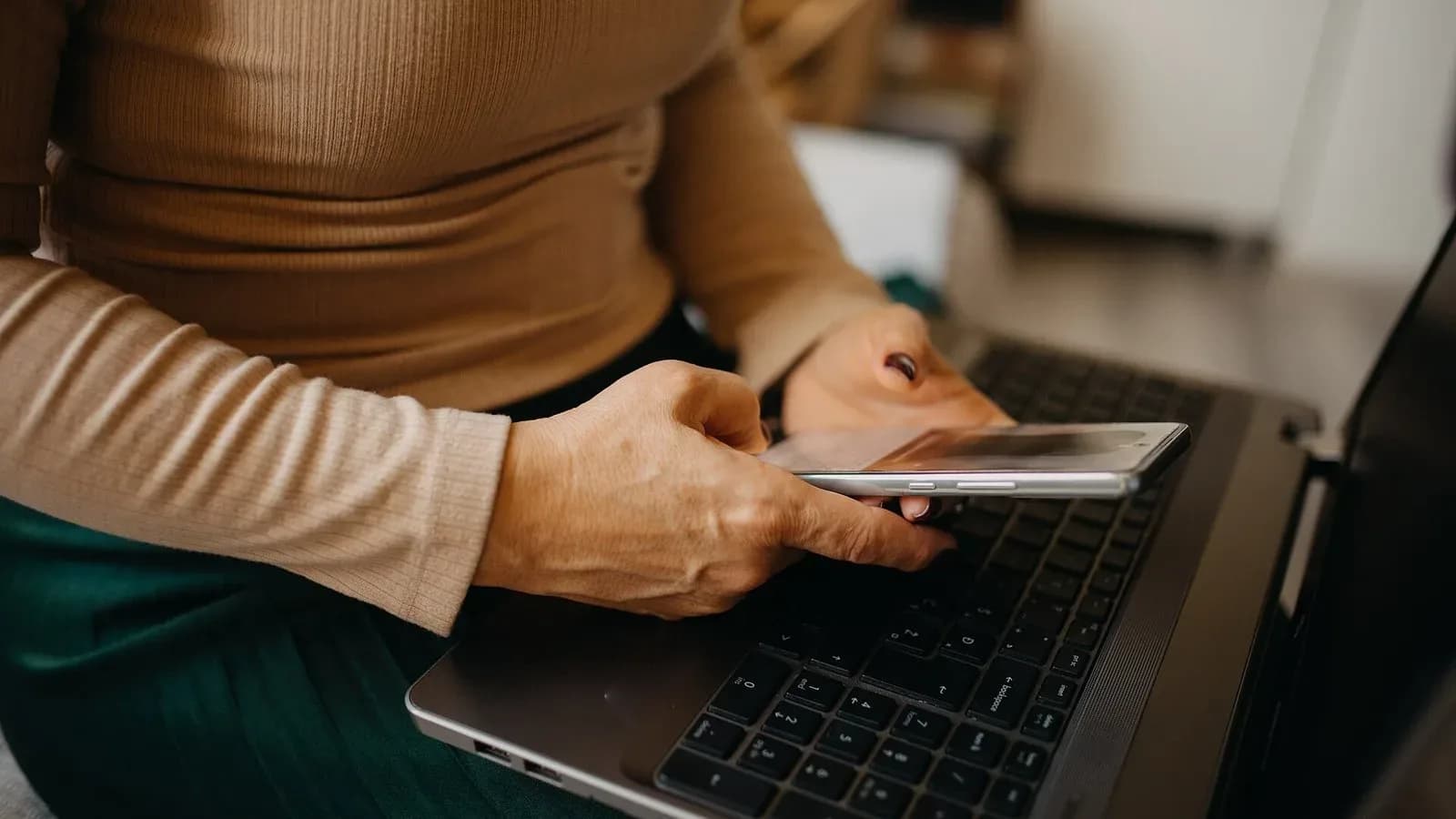
If your phone has buzzed all morning with candidate photos, polling place reminders and urgent pleas from people you have never met, you are not alone. Election Day is the last big push for campaigns and the outside groups behind them, and text messages are one of their cheapest tools.
Political texts can cost as little as 1 cent per message, the San Antonio Report found in a story published by Houston Public Media. "They're the robocalls of the modern political age," San Antonio strategist Kelton Morgan told the Report. "They are horribly ineffective, but they're so cheap; it's just an easy numbers game."
Morgan said texts work best to remind voters a campaign already counts as supporters. "It's great as a get-out-the-vote tool for people you've already identified as favorable to you," he said. "It's terrible as a persuasion tool."
How they got your number
Both the Republican and Democratic parties keep a voter file that campaigns and political operatives pay to use. It starts with public information collected when you register to vote. It is then updated with details like whether you voted in recent elections, which party's primary you chose and whether you usually vote early or on Election Day.
The parties add private data collected or bought from other sources, such as email addresses, home values, income ranges and ethnicity. "They use third-party data vendors to enrich lists with phone numbers and demographic information," strategist Bert Santibañez told the Report. A cell phone number is among the most valuable details, because candidates and PACs can use it again and again.
What the law allows
Campaign calls and texts are exempt from the National Do Not Call Registry, but the federal Telephone Consumer Protection Act still sets rules, according to the Federal Communications Commission.
Political texts sent to a cell phone by an autodialer require your prior express consent. Texts sent manually do not. According to the Report, campaigns hire workers to send messages by hand to get around that rule.
Robocalls follow similar rules. Autodialed or prerecorded political calls to cell phones also need your consent, but they are allowed to landlines without it. Landline robocalls made without consent are limited to three in any 30-day period. Prerecorded messages must say at the start who is calling and give a phone number. The FCC has also ruled that calls using AI-generated voices count as artificial voices under the law.
What actually helps
Reply STOP. The FCC says campaigns should honor it. You can revoke consent at any time and in any reasonable way. But replying STOP only removes you from that sender's list. It does not take your number out of the voter file that other campaigns and groups keep using.
Report it. Forward unwanted texts to 7726 (SPAM). If you think a call or text broke FCC rules, you can file a complaint at fcc.gov/complaints or call 1-888-225-5322.
Vote. Strategists told the Report this is the surest way to quiet your phone. County election offices share lists of who voted each day, and campaigns use them to drop voters they no longer need to reach. Morgan said it can take a day or two to fall out of the cycle. If you still need to vote, our guide covers what to bring and where to go.
Be careful what you click
Treat any text with caution, even one that looks official. Do not click a link to check your registration or your polling place. Go straight to your county elections office or the state's own site. Election outreach in Texas has drawn legal fights this year, including the state's lawsuit over Harris County voting ads.
Political texts are a nuisance, but they are also a reminder that every vote counts. Make yours count today.
More Politics & Government Stories
 Today
Control of Congress Is on the Ballot Today. Here Are the Races to Watch and When Polls Close. Choose Character, Then Be Patient.
 Today
Dallas County Voters Decide Today on a 2.4-Cent Tax for Homelessness Programs
 Today